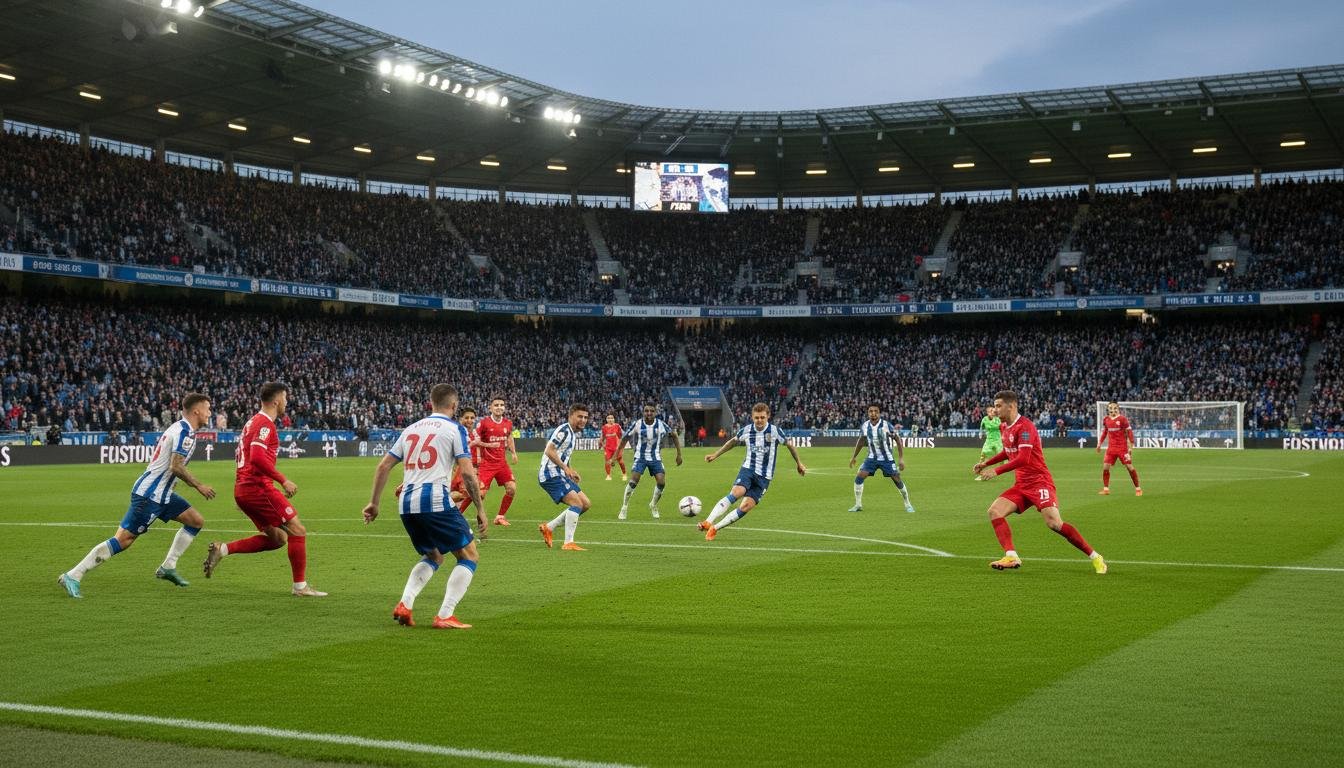
Betting on team shots is a niche that rewards attention to detail, timing, and a willingness to trade raw emotion for cold numbers. If you enjoy reading the flow of a match and translating that into a wager, team shots markets offer a clear, measurable edge when approached correctly. This article lays out a practical, data-driven method you can use before kickoff and during live play.
Why shots markets deserve your attention
Total shots and shots on target are direct reflections of how a team attacks and how its opponent defends. Unlike correct-score or outright winner markets, shots are less affected by random finishing; they capture process rather than outcome.
Bookmakers price shots with similar logic to goals but often leave wider margins for error because public bettors focus on goals. That inefficiency is where an observant bettor finds value.
Understanding the underlying metrics
To make sensible bets you must look beyond the raw number of shots. Expected goals (xG), shot locations, shot type, and the timing of attempts tell you whether a team’s shot volume is sustainable or the product of random variance.
Teams that consistently generate high xG from many low-distance attempts are more likely to keep producing shots than sides relying on rare long-range attempts. Similarly, a high rate of open-play shots usually persists more than shots created from set pieces.
Table: core metrics to track
| Metric | Why it matters | Quick tip |
|---|---|---|
| Total shots | Volume indicates attacking intent and possession in final third. | Compare season averages to market lines; look for deviations. |
| Shots on target | Stronger predictor of goals and team pressure. | Monitor keeper form and defensive injuries before betting. |
| Expected goals (xG) | Weights shot quality to show real attacking output. | Use as a sanity check against inflated shot counts. |
| Shot location | Central, close-range shots are more repeatable than weak long shots. | Prioritize teams producing central attempts if betting totals. |
Pre-match preparation: find matches with an edge
Begin with a concise screen. Filter for teams with clear attacking styles or opponents who concede lots of chances. Leagues with open play and less tactical conservatism — think some continental competitions and lower domestic divisions — often offer clearer shot patterns.
Compare the market’s implied shot totals to season and recent form averages. Markets sometimes lag after a tactical switch by a manager or a key transfer; those slips create value props for early bettors.
Qualifiers to look for
Identify teams playing with a full-strength front line, managers who prioritize pressing or width, and opponents missing central defenders or goalkeepers. Those factors change shot profiles more reliably than vague form tables.
Also account for context: weather that hampers long passes, poor pitch conditions that reduce technical play, and travel schedules that dull intensity. Context turns raw numbers into meaningful predictions.
In-play strategy: read the match, trade the market
Live betting is where team shots markets shine if you have discipline and speed. A sudden early red card, a tactical shift to a back five, or a keeper getting injured can swing shot probabilities fast and sharply.
Focus on short windows. For example, if a team dominates the first 20 minutes with multiple corners and shots from inside the box, betting over a short live market (e.g., next 10–15 minutes) can be profitable before the book adjusts.
Practical live rules
Keep stake sizes smaller than pre-match bets; variance increases in live markets. Use in-play only when you see sustained possession or repeated clear-cut chances that the market has yet to price.
When a shot or set piece chance occurs, don’t chase emotionally. Instead, ask: is this a one-off or part of a sequence? If it’s the former, step back; if it’s the latter, consider staking in proportion to the observed trend.
Bankroll and staking tailored to shots betting
Because shots outcomes are frequent and variance-heavy, favor a conservative staking plan. Flat percentage staking—1–2% of your bankroll per bet—reduces the risk of ruin and lets you survive losing runs that are common in shot markets.
When you find a true edge supported by data, you can scale up slightly, but always define a stop-loss and a review period. Track outcomes rigorously so you know whether your method is actually beating closing lines and expectation.
Common pitfalls and how to avoid them
The first temptation is equating volume with quality. A team might launch many hopeful long-range shots without creating real danger, which inflates shot counts but not future expectation.
Another mistake is overreacting to single-match anomalies. A shot spree born of one unusually poor opposing goalkeeper rarely signals a lasting trend. Use multi-game samples to distinguish noise from signal.
Sample checklist before placing a bet
- Confirm player availability, especially attackers and key defenders.
- Check recent xG and shot locations across the last 4–6 matches.
- Scan for tactical notes—has the manager recently changed formation?
- Consider external factors: weather, pitch, cup commitments, travel.
- Set stake based on pre-defined bankroll rules and potential edge size.
My experience and a straightforward application
As someone who’s followed analytics and watched hundreds of matches, I’ve learned that patterns matter more than predictions. In one season I tracked teams that pressed high and attacked down the wings; those sides consistently produced above-average shots in the opening 25 minutes.
I used that observation to place small live bets on “team shots — next 15 minutes” markets and found success by reacting quickly to early territorial dominance. The wins weren’t dramatic, but steady profits came from disciplined sizing and refusing to chase after setbacks.
Tools and data sources worth using
Free and paid APIs provide shot maps, xG, and player-level data. Platforms that visualize shot origin and sequence make it much easier to judge whether a team’s volume will persist.
Combine these datasets with live feeds and an efficient broker so you can act on opportunities before lines move. Speed and clarity of information are competitive advantages in fast-paced live markets.