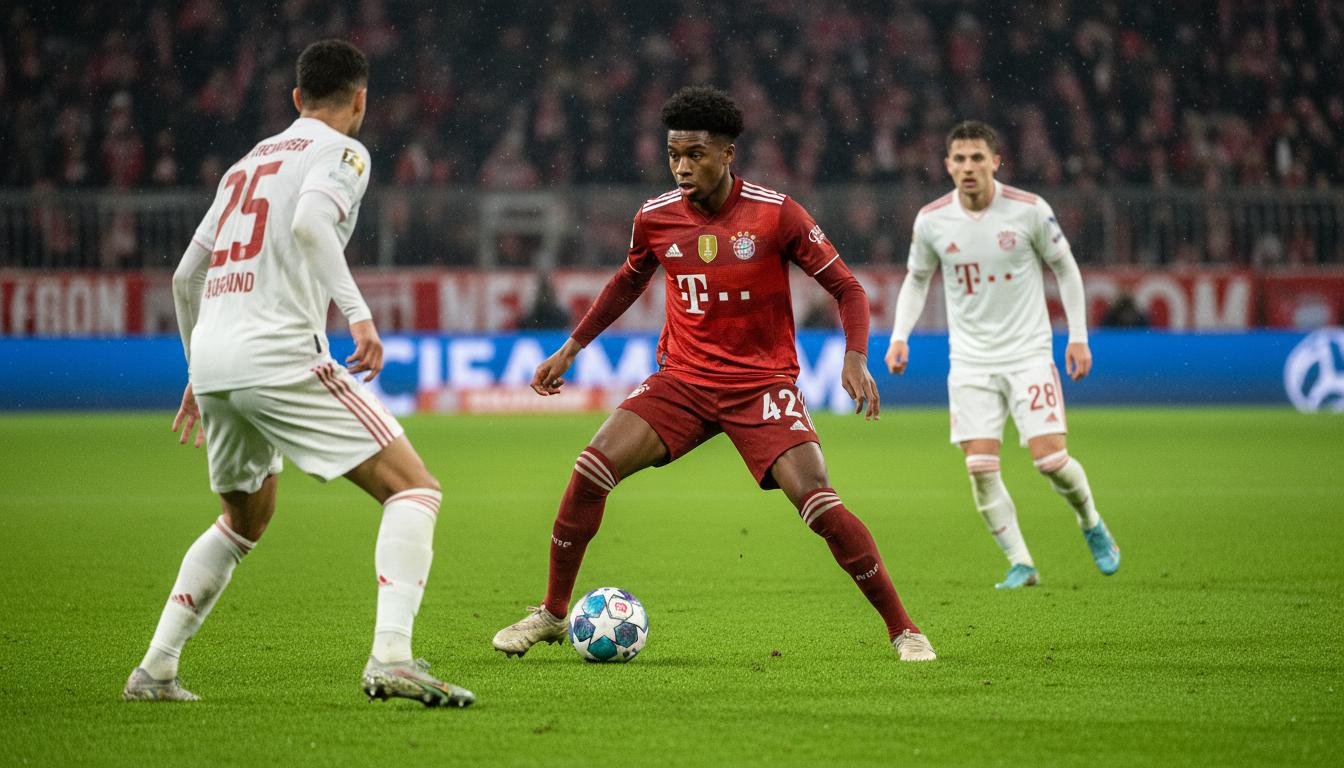
Every few seasons the game refreshes itself with a clutch of young names who alter how we watch, think about, and coach soccer. Some arrive in highlight reels and social feeds; others stare down defenders with a maturity that betrays their years. This article surveys the most compelling young talents still shaping the sport and explains why scouts, coaches, and fans are paying attention.
Why this generation feels different
Today’s prospects come through far more competitive youth systems, better sports science, and earlier exposure to elite competition than previous generations. Clubs now integrate teenagers into first teams sooner, so a 17-year-old can be measured against seasoned professionals rather than other youth players.
That accelerated path highlights traits that matter in modern soccer: positional intelligence, press resistance, and versatility. The result is a crop of youngsters who are not just flashy, but tactically useful right away.
Players who are already forcing attention
When scouts and pundits talk about the next wave, several names appear again and again. Some are midfield maestros, others are lightning wingers, and a few are calm, ball-playing defenders who shrug off pressure. Below is a compact reference to the most discussed prospects across Europe and South America.
| Player | Primary position | Club (as publicly known through 2024) | Why they stand out |
|---|---|---|---|
| Jude Bellingham | Midfielder | Real Madrid | Box-to-box influence with composure in big games |
| Endrick | Striker | Real Madrid (signed from Palmeiras) | Direct finishing, quick instincts in the box |
| Lamine Yamal | Winger | Barcelona | Explosive dribbles and creative vision |
| Florian Wirtz | Attacking midfielder | Bayer Leverkusen | Inventive passing and late runs into the box |
| Jamal Musiala | Attacking midfielder/winger | Bayern Munich | Close control and unpredictability in tight spaces |
| Alejandro Garnacho | Winger | Manchester United | Directness, pace, and a knack for big moments |
| Rasmus Højlund | Centre forward | Atalanta / Manchester United (transfer noted 2023) | Power, movement, and aerial threat |
This list is not exhaustive; it highlights a few names that repeatedly appear in analyses, award shortlists, and transfer conversations. Each player represents a slightly different archetype of “promising”—technical flair, tactical intelligence, physical profile, or mental resilience.
Watch these players with at least two lenses: what they do on the ball and how they affect team structure without it. The best young talents change games even when they are not directly involved in a goal sequence.
Creative midfielders: the engine room
Midfield remains the most disruptive position for young talents to emerge. Creativity at the base or between the lines unlocks modern defensive systems. Players like Jude Bellingham, Florian Wirtz, Pedri, and Jamal Musiala combine stamina with a refined technical base, making them difficult to mark out of matches.
From watching domestic league action and continental tournaments, I’ve noticed that the standout teens and early-twenties midfielders all share a calmness under pressure. They receive the ball as opponents press, pivot the team’s tempo, and often finish opportunities themselves. That dual-threat—creation plus scoring—accelerates their rise.
Explosive forwards and wingers
Forwards who can both create and finish are in high demand. Endrick and Rasmus Højlund show contrasting but complementary profiles: Endrick with instinctive finishing and Højlund with dynamic movement and physicality. Wingers like Lamine Yamal and Alejandro Garnacho combine pace with unpredictable dribbling to break compact defenses.
Watching youth tournaments and first-team debuts taught me that the best young forwards understand timing—when to go wide, when to run behind, and when to hold up play. Those instincts separate highlight-reel goals from consistent contributions that help teams win over a season.
Defenders and goalkeepers worth noting
Defenders are a quieter group but increasingly essential in ball-centric systems. Young center-backs who can step into midfield and full-backs who provide width under pressure are particularly valuable. A few rising center-backs have shown they can defend one-on-one and also initiate attacks with confident passing.
Goalkeepers with strong distribution are also drawing attention. A modern keeper is a secondary playmaker; their ability to find lines or launch counterattacks is a premium skill in top teams’ recruitment strategies.
How clubs find and develop these players
Scouts now use a mix of video, data, and live observation. Metrics like progressive passes, carry distance, pressing actions, and expected goals build a more objective case for potential. Clubs then layer this with coaching pathways that test players in senior training and gradual competitive minutes.
My own experience covering academy matches shows the difference coaching makes. A technically talented player becomes elite when given tactical education and exposure to robust competition. Clubs that balance game time with careful physical management usually produce the most reliable pros.
What to watch for in the next two seasons
Durability, adaptability, and decision-making under pressure will be the clearest indicators of which prospects become stars. Some teenagers deliver spectacular short-term runs, but sustained performance across a season is the real threshold. Players who can adjust when opponents change tactics are the ones who will be indispensable.
Also watch how clubs integrate young talent into systems that suit their strengths. A winger thriving in a high-press side might struggle if moved into a system that asks for defensive caution. The right tactical fit often unlocks a player’s ceiling.
A final look ahead
New promising talents arrive every season, but a handful truly reshape the game’s next chapter. Between the midfielders who dictate matches and the forwards who finish them, this generation brings a blend of technical polish and tactical maturity unusual for their ages. That combination promises exciting football for years to come.
For fans and coaches, the fun is both in watching the highlight reel and in tracking the small, steady improvements that point to long careers at the top. Keep an eye on minutes played, positional growth, and how these players perform in pressure moments—you’ll see who’s merely talented and who’s truly transformative.