2010 was one of those rare seasons when African football felt both familiar and electric — the old hierarchies held firm, but new names crashed the party. From the dust of the World Cup in South Africa to the packed stadiums of the Africa Cup of Nations, club and national sides produced moments that still come up in conversations with friends who care about the game.
the global stage: World Cup, host nation and a continental statement
Hosting the FIFA World Cup for the first time, South Africa put African football under a worldwide microscope. Although Bafana Bafana did not progress deep into the tournament, the event showcased African passion, stadium atmospheres and logistical capability on a scale previously unseen on the continent.
Beyond the host nation, Ghana turned in the headline performance by reaching the World Cup quarterfinals and nearly becoming the first African side to go further. Their run, capped by the heartbreaking defeat to Uruguay, became a reference point for what African national teams could achieve in global competition.
national powerhouses and their 2010 stories
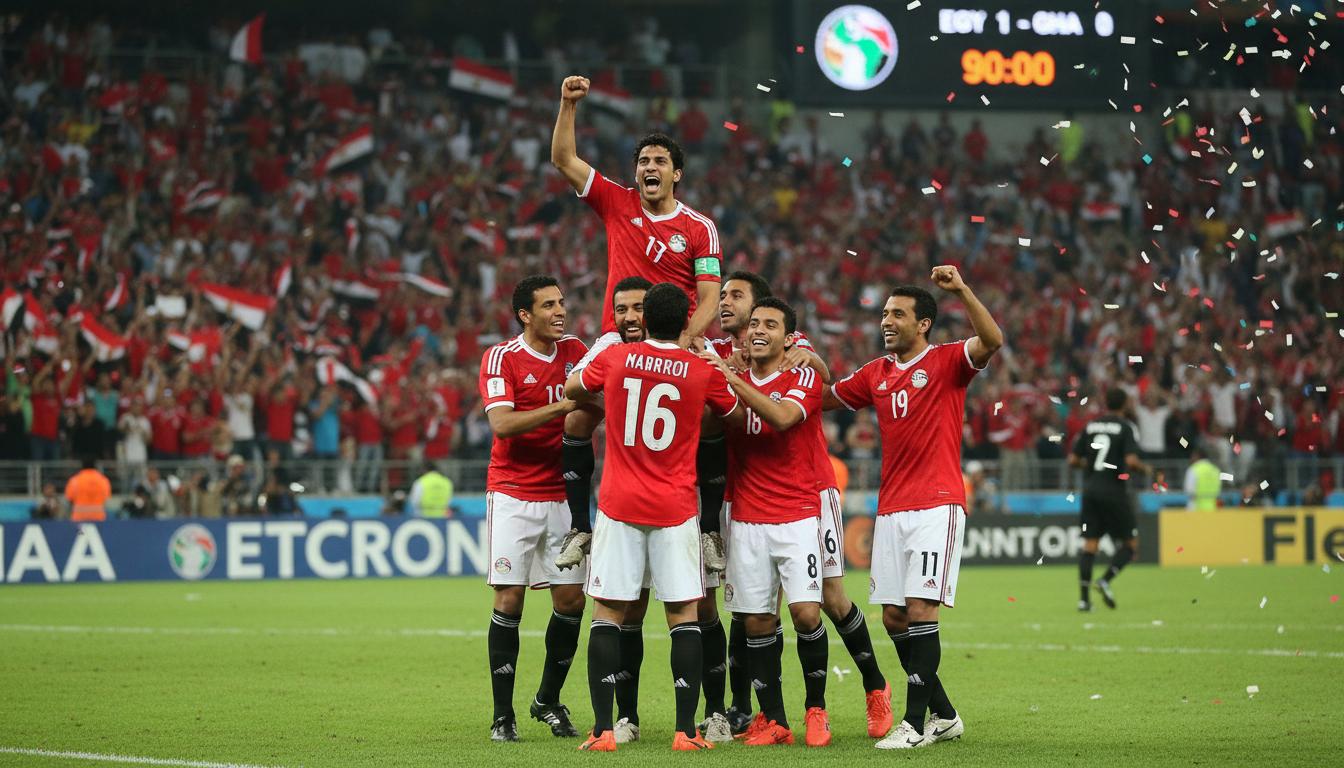
Egypt entered 2010 riding a wave of continental dominance. Under coach Hassan Shehata and with players like Mohamed Aboutrika pulling strings, Egypt captured the 2010 Africa Cup of Nations, extending a remarkable run that cemented their place among the continent’s greatest national sides.
Ghana arrived in 2010 with a cohesive squad who mixed Premier League stalwarts and local talents, led by Asamoah Gyan’s finishing and a midfield that could take the game to stronger opponents. Their World Cup quarterfinal appearance remains a high-water mark for modern Ghanaian football, sparking transfers and raising the profile of several players abroad.
The Ivory Coast, often described at the time as a golden generation, featured stars like Didier Drogba and the Touré brothers who were household names in Europe. They carried expectations into tournaments and, even when results were mixed, provided a model of how African national teams could be built around world-class club performers.
club royalty: who dominated African competitions
On the club level, a few names stood out for reasons that still matter. Al Ahly of Egypt continued to live up to their reputation as Africa’s most decorated club, collecting domestic trophies and always being competitive in CAF competitions. Their organizational strength and fan base made them a benchmark for success.
TP Mazembe from the Democratic Republic of Congo produced one of the most memorable club feats in 2010 by reaching the FIFA Club World Cup final. Their tactical discipline and physical presence helped them defeat established opponents and bring attention to the quality of Central African club football.
Tunisian clubs like Étoile du Sahel and Espérance also remained important continental actors, blending tactical sophistication with players who could move to Europe or the Gulf leagues. Their steady performances in CAF tournaments kept North Africa firmly in the conversation about the best clubs on the continent.
a short list: notable teams and what they did in 2010
The following table highlights a handful of teams whose 2010 campaigns left a mark on African football. Each entry reflects an achievement that captures why observers remembered that year.
| Team | Why 2010 mattered |
|---|---|
| Egypt (national) | Won the 2010 Africa Cup of Nations, extending continental dominance. |
| Ghana (national) | Reached the 2010 World Cup quarterfinals, nearly reaching the semis. |
| Ivory Coast (national) | Boasted a golden generation of players who were stars in Europe. |
| TP Mazembe (club) | First African club to reach the FIFA Club World Cup final in 2010. |
| Al Ahly (club) | Reinforced status as Africa’s leading club through sustained success. |
players who defined the year
Individual talents often become shorthand for whole eras, and 2010 had its share. Asamoah Gyan’s finishing and work rate made him a focal point for Ghana, while Mohamed Aboutrika embodied Egypt’s creative heart and clutch mentality during their AFCON victory.
Didier Drogba remained the symbolic leader for Ivory Coast, combining physical presence with the ability to change big games. On the club front, several TP Mazembe players impressed with the tactical discipline that allowed their team to punch above its weight on the global stage.
tactics, transfer trends and European attention
One lasting effect of 2010 was the increased attention European clubs paid to African squads and players who excelled on big stages. Strong international showings translated into moves abroad for several players, while clubs on the continent experimented with tactical structures that could compete against European opposition.
The mix of technical skill with physical resilience became a selling point for African players, and scouts began paying closer attention to African tournaments as reliable talent pipelines. For clubs, that meant balancing the business of selling talent with ambitions of winning continental trophies.
personal memories from the stands and living rooms
I still remember watching Ghana’s quarterfinal against Uruguay with a group of friends in a cramped living room, the silence after that late handball felt unreal. Those moments—equal parts pride and anguish—are why the year sticks with fans: football didn’t just entertain; it left emotional imprints.
I also traveled to a CAF Champions League match that year and witnessed the intensity of club supporters whose loyalty rivals that of Europe’s biggest fans. Watching fans sing for 90 minutes, rain or shine, drove home how deeply club identity matters on the continent.
why 2010 still matters to African football
The events of 2010 affected development paths, player careers and the global perception of African teams. Ghana’s World Cup run raised expectations, while Egypt’s AFCON victory reaffirmed the power of domestic systems that nurture tactical cohesion and leadership.
TP Mazembe’s run to the Club World Cup final offered proof that African clubs could compete on a stage against champions from Europe and South America, and that belief continues to influence how clubs invest, recruit and plan for continental competitions.
looking back without nostalgia
When you sort through the highlights of that year, it’s clear there was a mixture of consolidation and surprise. Traditional powers showed resilience, but breakthroughs from teams and players not always in the spotlight made 2010 feel like the start of something broader—greater ambition, more movement, and a louder global voice for African football.
For fans and players who lived it, the season offered both memorable highs and painful lessons. What remains valuable is how 2010 pushed African football to think bigger and wear its identity more proudly on the international stage.