Picking a fight to go the distance can feel like betting against the house: the payoff is often steady and, when chosen well, surprisingly profitable. This article walks you through a practical, evidence-minded approach to wagering on decision outcomes in UFC bouts. You’ll get a mix of strategy, real-world heuristics, and disciplined bankroll thinking that turns intuition into repeatable results.
Why bet on decisions at all?
Most casual bettors focus on finishes because knockouts and submissions are dramatic and simple to understand. But markets often underprice the likelihood of decisions because finishes draw attention—and bookmakers profit when public sentiment leans that way. When you spot mismatch between the public’s emotion and the actual tactical reality of a fight, the decision market often offers value.
Decisions are especially appealing for bettors who prefer lower variance. A successful decision bet typically requires correct foresight about styles and pacing rather than predicting a single explosive moment. That makes it a useful tool for portfolio balance: smaller but steadier returns that complement higher-variance moneyline or prop bets.
Start with style matchups: the core indicator
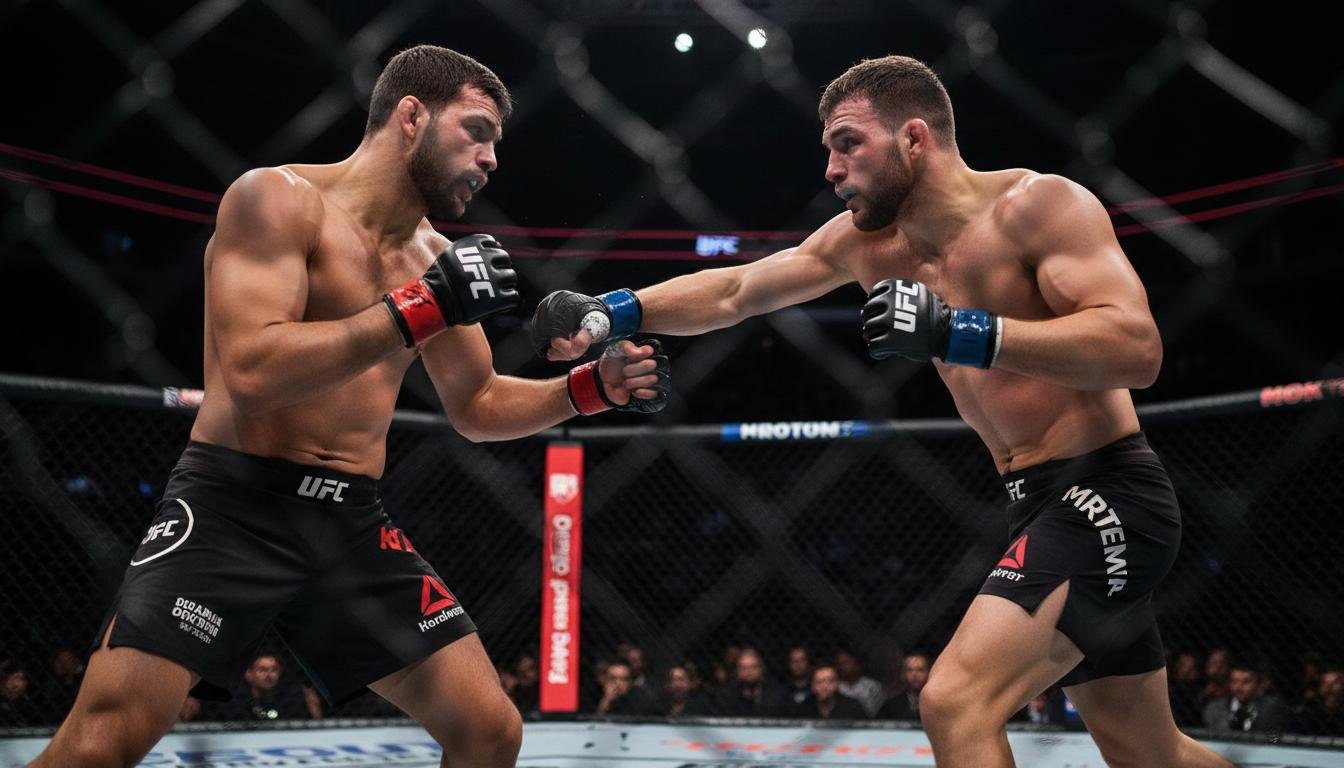
The most reliable predictor of a decision is stylistic contrast. Two skilled strikers who maintain distance and possess good defense often cancel each other out, leaving rounds to be decided on points. Similarly, fighters who rely on positional control and top-time but are not heavy finishers will tend to accumulate rounds rather than sudden endings.
Assess three stylistic axes: finish rate (how often a fighter ends fights), defensive vulnerability (susceptibility to submissions or KOs), and pace/cardio (ability to maintain output across rounds). Cross-referencing these gives a clearer picture than any single stat. For example, a high-output wrestler with a low finish rate pressing a precise counter-striker who rarely gets taken down makes a decision likely.
How to quantify style quickly
Use official fight stats and reputable databases to get a snapshot: striking accuracy, significant strikes landed per minute, takedown success and defense, and career finish percentage. These figures form the backbone of any data-driven view. Sites such as UFCStats compile fight-by-fight numbers that are straightforward to parse into an expectation for finishes versus decisions.
Beyond numbers, watch two or three recent full fights per fighter. Raw metrics miss tactical nuance—timing, feints, clinch work, and how a fighter reacts when pressured. Video can expose conservative fight IQ or a tendency to slow in championship rounds, both of which boost decision chances.
Weight class and finish tendencies
Weight matters. Heavier divisions historically produce more knockouts because striking power scales with mass. Lightweights through bantamweights see more movement-based striking and wrestling exchanges that often lead to decisions. Recognizing these broad tendencies helps you prioritize value in markets where round-to-round dynamics differ by class.
That doesn’t mean all heavyweights end early—tactical veterans, clinch-heavy fighters, or opponents with durable chins can push cards to the judges. Use weight-class tendencies as a starting filter, not as a definitive rule.
Contextual factors that nudge a fight toward the scorecards
Several situational variables influence decision likelihood: championship status, rematches, and late replacements. Title fights or rematches between elite competitors often produce more cautious strategies; fighters dislike giving away rounds in high-stakes environments. Late replacements frequently change dynamics—if both combatants lack preparation for finishing one another, a decision becomes more probable.
Travel, altitude, and short-notice bouts also affect cardio and strategy. A fighter who has flown across time zones with limited camp time is likelier to conserve energy and fight to distance. Likewise, veteran fighters with long resumes may prefer scoring accumulated points rather than chasing risky finishes.
Referees, judges, and venue tendencies
Referee styles and local judging panels matter more than bettors usually admit. Some referees stop fights earlier to protect fighters; others allow more tolerance for grounded action. Early stoppages reduce decision rates; patient refs increase them. Investigate recent trends for the appointed referee to gauge how tolerant they are of prolonged grappling or damage.
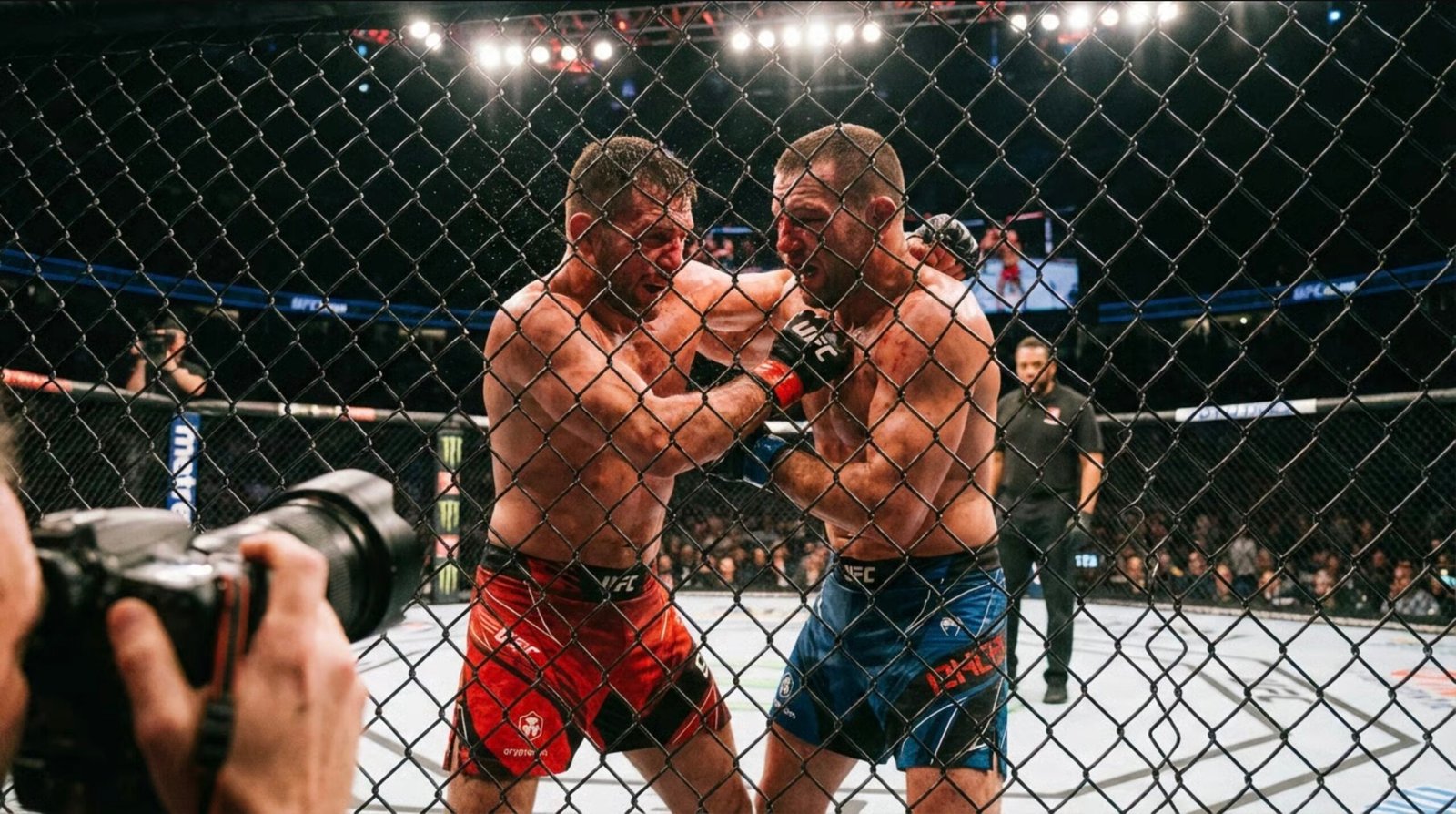
Judging tendencies affect in-fight tactics. Bout planners know which commissions favor control and top-time versus damage and effective striking. If judges reward volume and control, you’re more likely to see fights go the distance. This nuance can be decisive when two fighters are evenly matched on paper.
Betting markets and how to approach them
There are multiple ways to bet on decisions: the simple “fight to go to decision” market, round totals (over/under rounds), and decision-only props. Each has trade-offs in odds and complexity. The direct decision market is straightforward—win if the match goes to the judges—while round totals and prop combinations allow more targeted speculation.
Line shopping is essential. Small differences in odds across sportsbooks compound over time. Use multiple accounts and always calculate implied probability compared to your model’s estimate. If your model thinks a fight has a 60% chance to go to decision and the market prices it at 50%, that’s a clear long-term edge.
Pre-fight vs. live betting
Pre-fight opportunities let you act on research without the adrenaline of the cage. Live betting demands rapid reassessment: if the fight begins as you predicted, odds on a decision will drift; if not, you might hedge or take the opposite direction. Live markets can yield value when a fighter survives early trouble; sudden recovery often shifts the likelihood toward a decision, sometimes slower than the market adjusts.
Use live betting sparingly unless you have strong in-fight pattern recognition. Many decision opportunities materialize after the first round when patterns become clear and book prices react. That’s the sweet spot for combining structural analysis with live agility.
Money management and sizing bets
Treat decision betting like a low-variance leg of a larger strategy. A flat-betting or Kelly-derived fraction model can work. Keep stake sizes modest relative to your bankroll—decisions win more often than specific finish props but still require discipline over long losing streaks. The goal is consistent edges, not quick hits.
Record every bet with context: odds, rationale, pre-fight notes, and outcome. Over time, patterns will emerge showing which stylistic or contextual factors most reliably predicted decisions for you. That feedback loop is where profitable bettors separate from hobbyists.
Common mistakes to avoid
Avoid overreliance on headline stats—career finish percentage can hide recent decline or weight-cut influences. Don’t let recency bias dominate: a highlight KO two fights ago doesn’t erase a history of decisions. And resist public narratives that inflate a fighter’s finishing chance because of reputation alone.
Also, beware of correlated bets that reduce overall value. Betting a fighter to win plus betting the bout to go to decision are not independent; correlation can make a parlay look attractive but usually erodes expected value. Be explicit about correlations when constructing multi-leg tickets.
Practical checklist before placing a decision bet
- Confirm stylistic matchup favors rounds (both low finishing rates or mutually cancelling threats).
- Check weight class tendencies and any changed conditions (late replacement, altitude, travel).
- Review referee and judging history for early stoppage or scorecard tendencies.
- Compare sportsbook odds; identify value by computing implied probability versus your model.
- Decide stake size based on your bankroll rules and record the bet rationale.
This checklist keeps emotion out of the equation and focuses bets on repeatable edges rather than gut calls.
Author takeaway and an example from experience
In my own betting, a steady portion of the portfolio goes to decision markets—especially for evenings where the main event is between two elite, defensively sound fighters. I remember a card where two seasoned strikers with strong takedown defense met after identical training camps; the decision market offered +220 while my model implied fair odds near +120. A small, disciplined stake produced a solid green day without the heart-stopping variance of a KO-only strategy.
That trade worked because the odds reflected public appetite for a finish that never materialized. It’s a reminder: the market often prices emotion rather than tactical reality—and that’s where disciplined bettors find edges.
Further reading and tools
To refine this approach, combine video scouting, statistical sites, and betting analytics resources. Build a simple spreadsheet that translates key metrics into a decision probability and update it over time. The more you systematize the inputs, the less you rely on unreliable hunches.
Below is a short table that summarizes rough tendencies by weight class to help prioritize where to look for decision value.
| Weight class | Typical finish tendency |
|---|---|
| Flyweight–Bantamweight | Higher decision frequency; speed and volume favor scoring |
| Featherweight–Lightweight | Balanced; mix of decisions and finishes depending on matchup |
| Welterweight–Middleweight | Moderate finish rate; power increases push more stoppages |
| Light heavyweight–Heavyweight | Higher finish frequency; knockouts more common |
Final practical tips
Keep a learning mindset. Not every intuition will pay off, but disciplined analysis, honest record-keeping, and conservative bankroll rules compound into profits over time. Blend qualitative scouting with quantitative checks, and refine your checklist based on outcomes.
When you see a mismatch between what the market prices and what the tactical reality suggests—especially in light of referee and judging contexts—you’ve found a decision-betting opportunity worth exploring.
Sources and experts consulted:
- UFC Stats — UFC
- Pinnacle Betting Resources — Pinnacle Sports
- ESPN MMA coverage — ESPN
- MMA Junkie — Staff writers including Mike Bohn
- MMA Fighting — Ariel Helwani and staff
- Tapology — fight databases
Full analysis of the information was conducted by experts from sports-analytics.pro