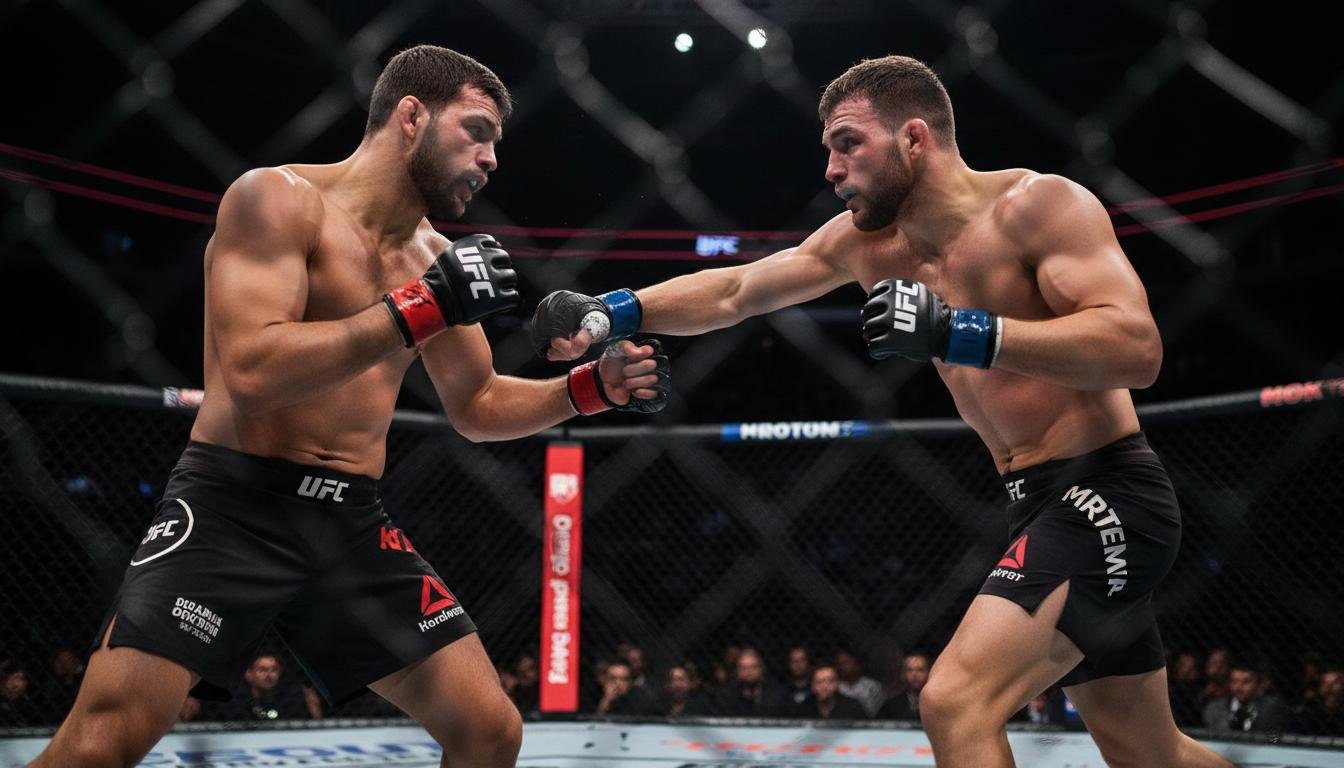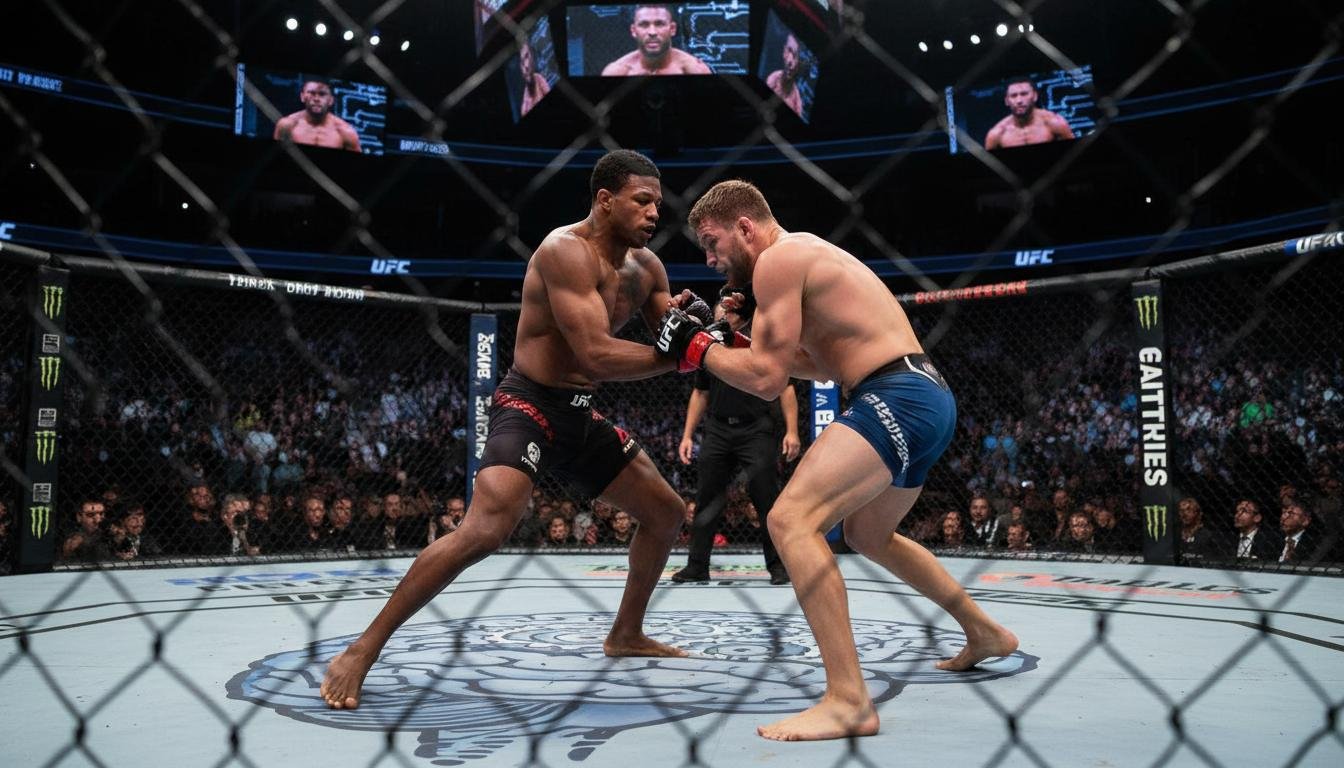
Rematches in the UFC offer something every bettor loves: a clearer map than a brand-new matchup. The first fight reveals strengths, weaknesses, and habits; the rematch reveals how those findings are acted upon. If you want to move beyond gut feelings and sensational lines, learning to read adjustments and context is where consistent advantage lives.
Why rematches deserve a special playbook
Rematches are less random than first meetings. Fighters and camps come into the second bout with a dossier: film, injury reports, and, often, a public narrative. That knowledge compresses uncertainty and lets you focus on which variables actually change between fights.
Oddsmakers price rematches with more nuance, but the market still misreads several human elements—confidence swings, camp changes, and the lingering psychological effect of a decisive finish. Those misreads create edges for bettors who dig deeper than the headline result.
Start with the tape: what the first fight really tells you
Watching highlights is not the same as coding the fight. For a rematch, catalog the exact ranges and scenarios that produced trouble: clinch control, takedown entries, counter-punch timing, cardio lapses on round three. Note how each exchange ended, not just the finish.
Quantify what you can. How many takedown attempts did the wrestler land? How often did the striker get tagged in transitions? A handful of concrete metrics will do more for your edge than vague impressions about “momentum.” Use the numbers to ask targeted questions: did Fighter A win because of volume or unusually successful counters?
Psychology and camp changes: the narrative behind the numbers
A rematch is a story with a chapter in between. Did the loser switch camps, hiring specialized striking coaches or a wrestling expert? Did the winner take time off to recover from injuries? Those choices shape game plans and signal expected adjustments.
Mindset matters too. A decisive finish—knockout or submission—can leave the vanquished fighter more driven and more willing to take risks. Conversely, a controversial or close decision can harden a champion’s approach. Track interviews, social media, and reputable insider reports to read that psychological tape.
Adjustment patterns: what top camps actually change
History shows certain predictable adjustments in rematches. Wrestlers tend to chain takedown setups differently if the first attempt was well defended. Strikers often change angles and distance management after being repeatedly hit on the same line. These are tactical, not miraculous, changes.
Look for specific technical changes between camps: a new stance, different lead hand, altered cut-off routes in cage control, or a revised cardio program indicated by faster pacing in sparring clips. Small technical tweaks, when combined with a fighter’s natural style, can produce outsized effects.
Quantitative signals that consistently matter
Numbers won’t predict every upset, but certain statistics have predictive value across rematches. Takedown defense, significant strike differential in close rounds, and submission attempts per minute are among the most informative metrics. Use these to weight your assessment rather than to dictate it.
Below is a simple weighting table I use when modeling rematches. It’s intentionally subjective—your personal model should reflect what you watch most closely and what the first fight revealed.
| Factor | Weight | Why it matters |
|---|---|---|
| Takedown success/defense | 25% | Controls where the fight happens and forces adjustments |
| Significant strike differential | 20% | Shows real damage vs. volume advantage |
| Finishing threat (KO/sub attempts) | 20% | Decisive finishes change game plans dramatically |
| Cardio/round-by-round output | 15% | Rematches often hinge on sustained pace or decline |
| Camp/coach changes & injuries | 20% | External factors that alter preparation quality |
Bet types: where rematches create the cleanest value
Rematches open up practical options beyond simply picking a winner. Prop markets—method of victory, round betting, and round props like “over/under on total rounds”—often outrun the moneyline in efficiency. If the first fight ended by one method, the market will sometimes over-adjust on repeat probability.
Live betting can be especially fertile in rematches when one fighter starts aggressively to assert a new game plan. Watching the first minute of the rematch often tells you whether the anticipated adjustment landed. If you can access reactive live odds, that first minute is where difference-makers reveal themselves.
When to consider the moneyline versus props
Take the moneyline when your model signals a clear advantage—typically when a major adjustment counters the winning path of the first fight. Use props when the fight’s dynamics are split: a fighter who clearly improves defensively but still struggles to finish is a props candidate rather than a clean moneyline pick.
Round betting suits rematches where one fighter has a clear tendency to either slow in late rounds or to finish early. If the first fight saw a late submission, betting on a fight to go the distance can be a counterintuitive but profitable angle when you believe the loser prioritized late-round survival.
Timing: when to place your rematch wagers
Odds shift as news breaks. Early lines reflect market-makers’ uncertainty and often represent the best value for bettors who have done homework. Favorites tend to shorten once media narratives take hold, especially if a popular fighter won decisively the first time.
Shop lines across sportsbooks immediately after the rematch is announced and again after weigh-in reports and media days. If a camp reveals a major injury or a fighter misses weight, those are clear line movers. But those moves can be noisy—distinguish between meaningful changes and hype-driven sentiment.
Bankroll management and staking for rematches
Treat rematches like any bet where variance is compressed but uncertainty is nuanced. I recommend staking a smaller percentage of bankroll on rematch moneylines than you would on a deeply researched, asymmetric favorite in a fresh matchup. The rematch advantage is real but rarely absolute.
Consider fractional Kelly or fixed-percentage staking, reducing bet size when your edge is modest and scaling when your model yields a strong expected value. Keep a ledger of rematch outcomes and refine your weighting table over time—this discipline prevents one dramatic upset from skewing your strategy.
Common pitfalls to avoid
Avoid overreacting to the first-fight “feel.” Crowd reactions, highlight clips, and social media heat often inflate small advantages. If a fighter won by a lucky counter or a referee stoppage, don’t assume the same script will repeat; dig into how repeatable the winning sequence actually is.
Also be wary of the “redemption” narrative. Fighters who lose publicly may indeed be hungrier, but hunger rarely substitutes for technical gaps. Bet on the measurable change, not the motivational soundbite.
Case study: McGregor vs. Diaz and what it teaches bettors
The Conor McGregor–Nate Diaz pair is a textbook rematch story. The first fight (UFC 196) produced a submission victory by Diaz after McGregor struggled with takedown defense and cardio at welterweight. In the rematch (UFC 202), McGregor altered pace and volume, increasing clinch defense and striking output to secure a majority decision.
From a betting angle, that pair highlights three lessons. First, weight class changes and conditioning are massive factors. Second, tactical discipline—McGregor sticking to a revised game plan—was decisive. Third, markets can over- and under-react; early bettors who recognized the conditioning question and the likely tactical revision found value in different markets: props on round outcomes and corrected moneyline positions.
Practical checklist: a bettor’s prep for any rematch
Use this checklist before committing capital: review full-fight footage (not highlights), quantify key metrics from the fight, check camp and coach changes, monitor medicals and weight cut reports, and parse media for credible insider updates. Finally, run those factors through your weighting table and check line movement across books.
Keep a short journal entry for each rematch you bet: what you predicted, the stake, why you were right or wrong. That habit forces continuous learning and prevents repeating the same mis-reads on future rematches.
My experience and final practical tips
Over several years of following MMA betting I’ve found rematches among the most satisfying opportunities—if you do the homework. In one instance, I identified a wrestler who had improved takedown setups in camp footage after a lost first fight, and I placed a small live bet when the rematch opened with the opponent favoring stand-up. The live cash-out window offered superior value after the wrestler secured early takedowns.
That bet was small but instructive: rematches often reward bettors who combine film study with disciplined bankroll control. Be patient, trade emotion for data, and treat each rematch as a project rather than a hot tip.
Sources and experts
- UFC Stats (FightMetric) — official fight metrics and event data https://www.ufcstats.com
- ESPN MMA — reporting and analytics on fighters and events https://www.espn.com/mma/
- MMA Fighting — investigative reporting and fight analysis (Ariel Helwani archives) https://www.mmafighting.com
- MMA Junkie (USA Today Sports) — weigh-in and insider updates https://mmajunkie.usatoday.com
- The Athletic (MMA coverage) — in-depth features and tactical breakdowns https://theathletic.com/
Full analysis of the information was conducted by experts from sports-analytics.pro