Picking fights in the octagon is often treated like picking stocks, but fighters who live in the clinch bring a different set of signals to read. This article walks through how to identify true clinch specialists, which betting markets give you leverage, how to use in-fight data, and practical bankroll rules that fit the messy reality of MMA. I write from years of watching fights, tracking stats, and testing small-stakes strategies on live cards.
What I mean by “clinch style”
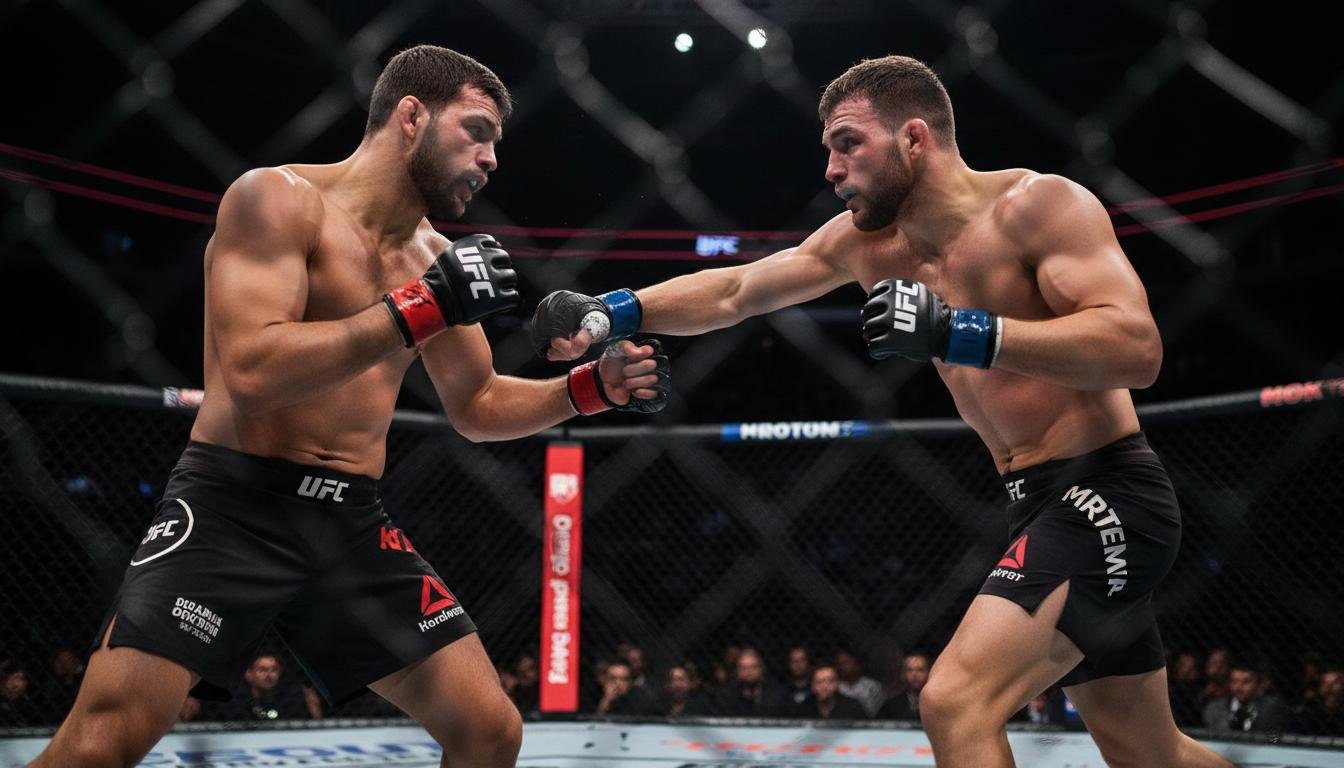
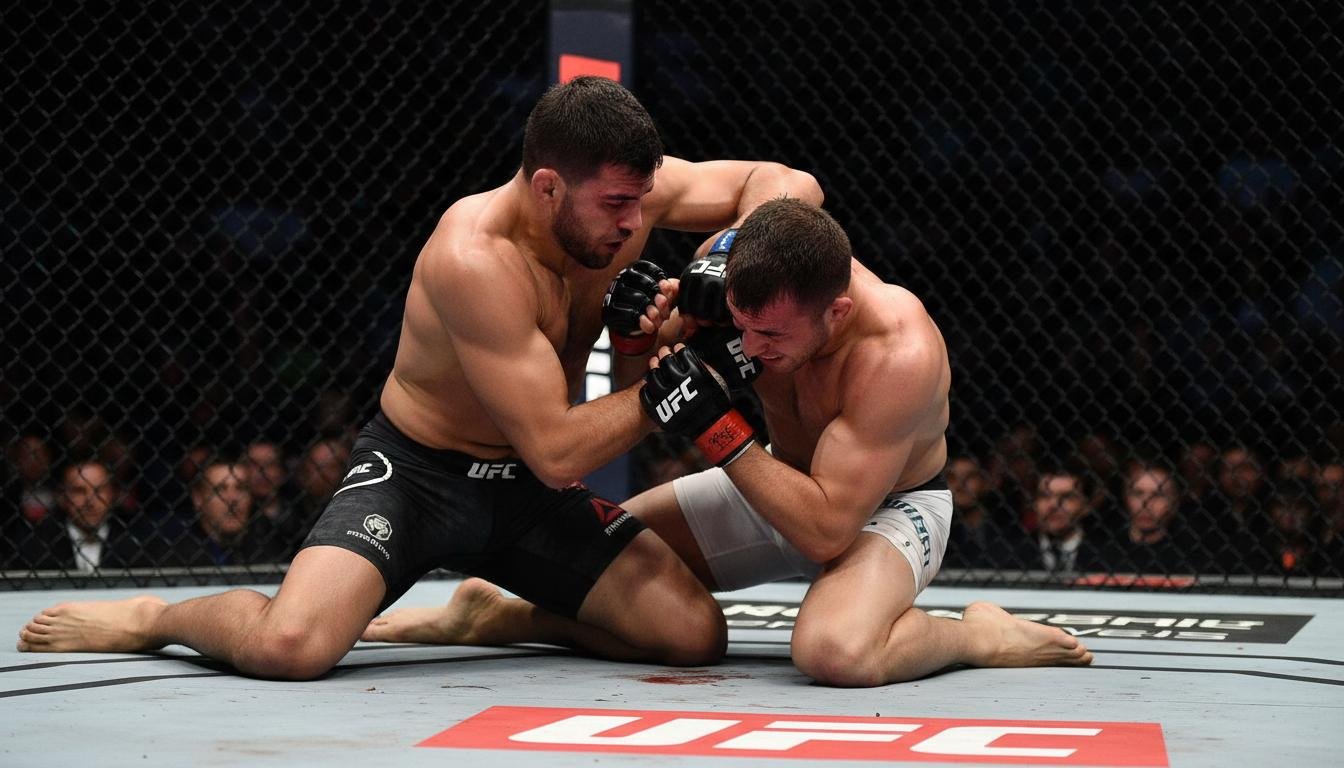
Clinch style describes fighters who win position and control close to the fence, using knees, short punches, dirty boxing, and takedown attempts to grind opponents down. These athletes often fight for positional dominance rather than throwing big, distance strikes that lead to knockouts. Their success shows up in time-in-clinch metrics, takedown attempts from clinch, and sustained control rather than highlight-reel finishes.
Not all clinch fighters are identical—some are Muay Thai clinchers who throw knees and elbows, while others are wrestlers who convert clinch control into takedowns and top pressure. The betting edge comes from recognizing which subtype a fighter is and how that matchup interacts with the opponent’s weaknesses. That means digging beyond headlines into play-by-play stats and fight film.
Why the clinch matters for betting
Oddsmakers price volatility—fighters who either score quick KOs or get finished are easier to model. Clinch fighters introduce slow, accumulative outcomes that are underpriced by casual bettors. Markets that ignore cumulative damage, like round betting or method-of-victory props, can misvalue these fighters because the scoreboard moves gradually rather than suddenly.
Also, sportsbooks sometimes lag on live adjustments when clinch fighting is the story of the round. A fighter who spends two minutes of every round in clinch might not rack big striking numbers, but judges and late-round fatigue reward control. Bettors who observe consistent clinch dominance pre-fight or early in the bout can exploit market slippage, especially in-play.
Key metrics to track
Stat-driven bettors should monitor a small set of reliable indicators rather than a bewildering menu of numbers. Time in clinch, clinch strike differential, takedown rate from clinch, and opponent reversal rates tell you who is dictating the close-range game. Complement those with cardio proxies: average fight pace, distance striking volume, and last-two-rounds output to estimate whether control will hold late.
Here’s a concise table showing the most useful metrics and why they matter.
| Metric | Why it matters |
|---|---|
| Time in clinch (per round) | Shows frequency and duration of control phases |
| Clinch strike differential | Indicates effectiveness inside, not just activity |
| Takedowns from clinch | Converts clinch into scoring opportunities and top control |
| Opponent’s reversal rate | Predicts whether clinch control will be lost |
| Late-round output | Estimates stamina and judge scoring momentum |
How to source and validate data
The official UFC Stats website offers play-by-play numbers that include time-in-clinch and strike breakdowns, and it’s the starting point for any bettor doing homework. Cross-reference with video: the stats tell you what happened, but five seconds of footage reveals how dominant the clinch looked and whether damage was being inflicted. I always watch two or three full rounds for anyone I plan to wager on; numbers without context mislead.
Supplement UFC Stats with fight journalism for injury or training camp intel and with betting aggregators for market movements. Sources like ESPN and MMAFighting often flag last-minute issues that affect clinch battles—weight-cut struggles, broken hands, or a camp focusing on takedowns. Combine these inputs to build a narrative that matches the raw figures.
Pre-fight markets to target
There are a few pre-fight markets that play well for clinch specialists: moneyline when the price is favorable, round totals (especially low-round totals for grinders), and method-of-victory props leaning to decision or submission rather than KO. If the clincher is adept at turning clinch into takedowns, an underdog moneyline can be valuable when odds widen because the favorite is a striker with poor clinch defense.
Another angle is the alternate round total markets. Clinch fighters who consistently drag rounds into the later frames will push implied fight length higher than bettors expect. Buying +EV lines on fights going the distance can be profitable if your model shows a higher probability of rounds being won by control than the markets assume.
Live betting: reading in-fight signals
Live betting is where clinch expertise shines. In the early minutes of a fight you can often tell who will control the clinch for most of the bout by watching first-round positioning and how quickly one fighter neutralizes the other’s movement. If a betting line drifts in the first round because the favorite looks “ok” but is getting dragged into clinch time, that drift can create value for the clincher in-play.
Key in-fight signals include repeated visits to the fence, unsuccessful escape attempts by the opponent, and cumulative short strikes from the clinch that sap an opponent’s legs or breathing. When these appear, the probability of a late finish or decision win for the clinch fighter rises. Scale your stakes based on how many rounds remain and how much the live price diverges from your estimated probability.
Modeling a bet: a simple step-by-step approach
Step 1: Build a quick pre-fight model using the metrics above and film notes. Assign weights for time-in-clinch, clinch strike differential, and takedown conversion. I anchor the weights to outcomes I care about—decision probability, late finish probability, and cardio degradation—so the model predicts both winner and marketable props.
Step 2: Compare your probability to the market implied probability. If your model gives a clinch fighter a 40% chance to win but the market price implies 30%, that’s value. Step 3: Size the bet using a fractional Kelly or fixed-percentage bankroll rule depending on your tolerance. For in-play bets, reduce size because volatility increases.
Managing variance and bankroll with clinch bets
Clinch strategies are low-volatility in the sense of scoring but still high variance from a betting perspective—a clincher can lose a split decision or get caught by a short punch. Expect long cold streaks and size bets to reflect that. I recommend treating clinch bets as a portion of an overall MMA portfolio rather than the whole strategy.
Use strict stop-loss rules for live sessions and diversify across weight classes and event types to reduce correlated risk. If you have a run of losses against a specific opponent profile—say, high-level wrestlers who escape reversals—pause and recalibrate your model instead of doubling down emotionally.
Common pitfalls to avoid
The first mistake is mistaking activity for dominance: a fighter can throw many short clinch knees but still be out-positioned and scored against. Second, overreliance on raw time-in-clinch without considering quality of strikes or transitions into top position will lead to wrong assessments. Third, ignoring referee tendencies and cage geography can make you misread a clinch-heavy fight—some refs allow prolonged control while others break and restart frequently.
Finally, avoid betting solely on reputation. A veteran known for clinch work may have lost effectiveness with age or injury. Always refresh your model with the latest fight film and training reports.
Examples from real fights
On a recent regional card I followed, a newcomer with a strong muay thai clinch got overlooked because he had few KOs on his record. Watching the tape showed he constantly controlled center-line and converted clinch into knees that opened cuts. I placed a small pre-fight bet on his decision, and when the judges awarded him a clear win by round-winning control, the payout validated the approach more than the individual result.
On a larger scale, many bettors missed the value when a well-known wrestler faced a tall striker with poor cage defense; the wrestler’s persistent clinch control and low-risk takedown attempts steadily accumulated damage leading to a late stoppage. That fight is a classic template to study for modeling takedown-from-clinch conversion as a decisive factor.
Tools and apps that help
I rely on a handful of tools: UFCStats for raw play-by-play, an odds aggregator to see market movement, video platforms for fight film, and a simple spreadsheet model to compute implied probabilities and edge. For live betting, I use two screens—one for live video and one for odds—so I don’t miss quick swings that occur during round breaks.
Advanced bettors can use API feeds or third-party services that provide second-by-second metrics, but for most fans a focused use of UFCStats plus consistent film study is enough to find mispriced opportunities. Keep a small notebook or digital log of why you bet each fight; patterns emerge from that discipline.
Where this strategy fits in a broader portfolio
Clinch-focused betting is a specialized tool best used alongside other strategies like striking-based upsets and pure grappling bets. It works particularly well on cards where the favorites are heavy strikers and the underdogs are grinding clinch fighters who match up well. Use it to diversify your approach rather than as a one-size-fits-all method.
Over time you will notice event-level patterns—some promotions or fight nights produce more clinch-heavy outcomes due to referee trends or stylistic matchups. Keep notes on those patterns and update how much of your bankroll you allocate to clinch angles accordingly.
Final practical checklist before you place the bet
Confirm last-minute injury or weight-cut news, review two rounds of fight film or the most relevant footage, check clinch and takedown-from-clinch metrics, analyze the opponent’s reversal and escape rates, and compare your probability to the current market. If you still see value, size the bet conservatively and log the rationale. Repeat the checklist before each live bet as conditions shift rapidly during fight nights.
Applying a disciplined approach to clinch betting reduces guesswork and keeps your emotions in check. It’s not a magic bullet, but when combined with careful film work and data, it becomes a measurable edge you can exploit across fights and cards.
Sources and experts
- UFC Stats https://www.ufcstats.com/
- ESPN (Brett Okamoto) https://www.espn.com/mma/
- MMAFighting (Ariel Helwani) https://www.mmafighting.com/
- BettingPros https://www.bettingpros.com/
- EdgeSports/odds aggregators (example: OddsChecker) https://www.oddschecker.com/
Full analysis of the information in this article was conducted by experts from sports-analytics.pro