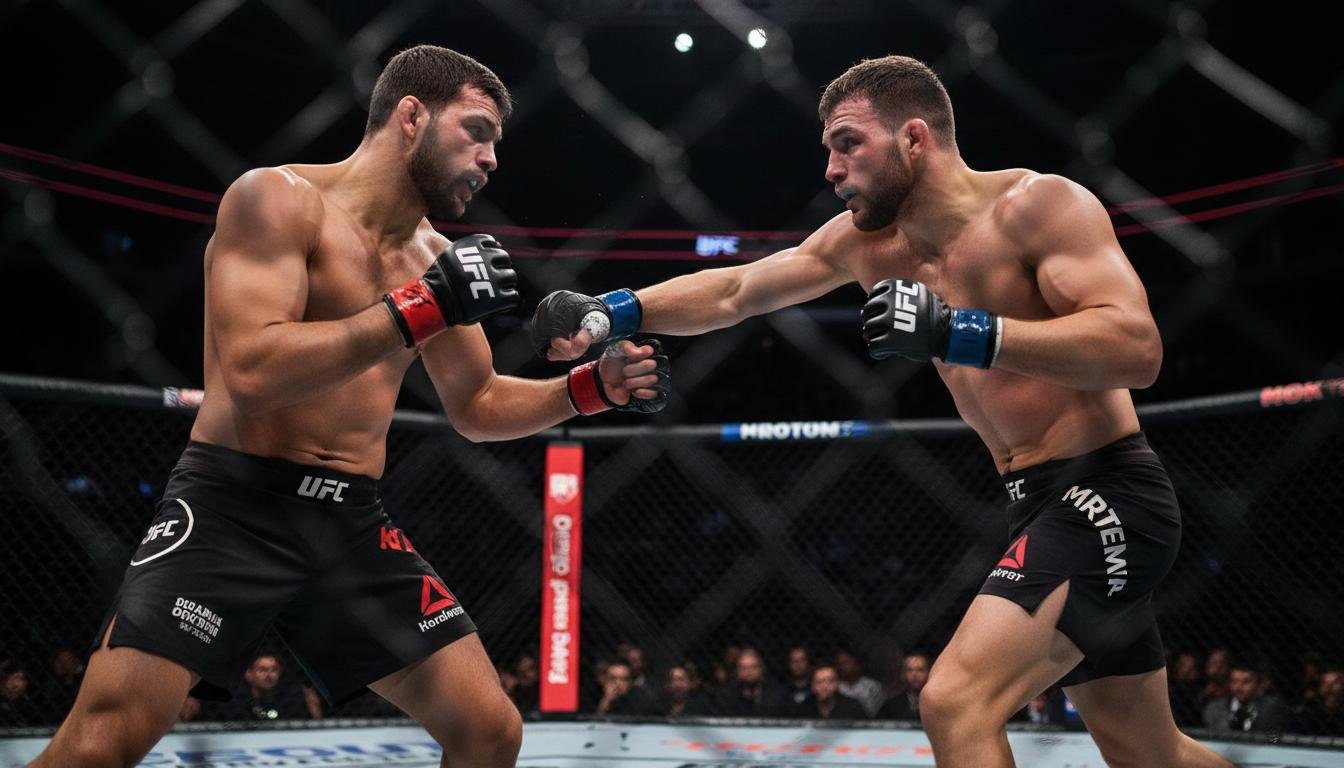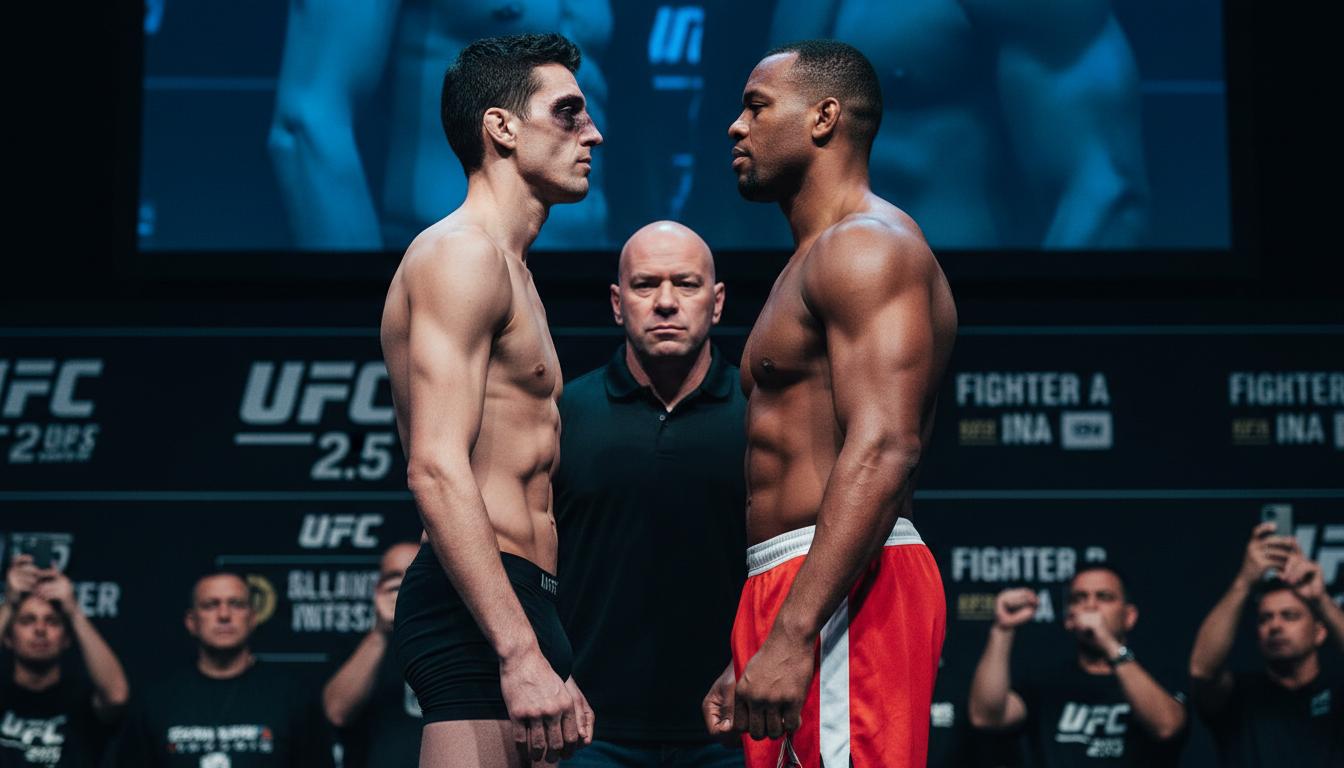
Weigh-ins are the last real piece of public information before the cage closes, and they often reshape both the market and the fight itself. A single image, a late tip, or a missed weight can swing odds, create value, and expose risk. In this piece I’ll walk you through how to read weigh-ins, where the bookies usually overreact, and how to turn those final hours into disciplined edges for your bankroll.
Why the hours after weigh-ins matter
Weigh-ins are more than ritual. They’re a live snapshot of the immediate physical condition of fighters, potential medical issues, and sometimes the mood of a corner. Oddsmakers and bettors both react to what they see, which makes the period after a weigh-in a high-volatility window for lines and markets.
Unlike fight week interviews or past records, the weigh-in gives observable data: missed weight, visible dehydration, cut marks, or a fighter’s energy level. Bookmakers will adjust quickly when a clear signal appears, and that rapid movement is where disciplined bettors find opportunities.
Key signs to watch on the scales and why they matter
Missed weight is the most obvious signal. When a fighter fails to make the contracted limit, the fight may proceed at catchweight with a purse penalty, or be canceled for medical reasons. Each outcome has a different betting implication: cancellations wipe out bets (usually refunded), while fighters who missed weight sometimes perform unpredictably in the cage.
Physical appearance matters, too. Look for extreme bloating, wobbliness during steps off the scale, or paleness while being checked by athletic commission staff. These are classic indicators of an aggressive cut and incomplete rehydration; they often correlate to reduced cardio and recovery once the fight starts.
Behavioral cues can be subtle but telling: a fighter who behaves unusually quiet, irritable, or detached on the scale or at the ceremonial face-off may be nursing an injury or illness. Those psychological flashes rarely tell the whole story, but they add context to visible physical issues and to any late-line movement.
How weight misses change the market
When a fighter misses weight, sportsbooks typically shorten or lengthen lines quickly. Public sentiment can favor the heavier fighter—some bettors assume the missed-weight athlete will be stronger and have an advantage—while sharp bettors may move against them if the miss signals a poor cut and slower rehydration.
Consider the nuances: a small miss (a pound or two) is different from a multi-pound miss. The book often treats both as one category at first, leaving short-lived inefficiencies. Savvy bettors can use this to find value if they’ve tracked the fighters’ historical weight cuts and tendencies.
Late scratches and medical pulls: what to do with your bets
A late medical pull can be devastating, but it’s also a predictable risk if you monitor the leads: a bad-looking weigh-in, pre-fight medical scuttlebutt, or odd social-media updates. If you have active bets, most sportsbooks refund stakes on canceled fights, but prop markets like round-specific or method-of-victory bets can become void while parlay legs may still carry through depending on the book’s rules.
To manage this, avoid putting heavyweight portions of your bankroll into legs that depend on a single fight event until after the commission announces clearance. If a fight is scraped after you placed a live bet, you’ll often get a refund, but the time and emotional cost of chasing edges with a compromised card is real. Protect yourself by staking smartly around final camp hours.
Rehydration: an invisible variable with visible consequences
Rehydration — the hours and days after weigh-ins when fighters replenish fluids and electrolytes — is both an art and a science. A fighter who executes a smart, measured refeed often regains strength without sacrificing cardio. Conversely, a fighter who rushes or mismanages rehydration can be sluggish, cramp-prone, or neurologically impaired by fight time.
There’s no direct metric for rehydration in public, but you can infer it indirectly. Look at post-weigh-in interviews, weigh-in-following photos the next day (face offs, media workouts), and comments from the team. Historically, recent patterns and the fighter’s known rehydrate habits are good predictors of whether that rehydration will be successful.
Markets to consider placing bets on after weigh-ins
Certain markets become more attractive after weigh-ins because they react to immediate information. Prop markets like method of victory, round betting, and live-moneyline swings often present value immediately post-weigh-in. The public tends to overreact to drama, which temporarily inflates or deflates prices.
Parlays with multiple fighters who have healthy, clean weigh-ins tend to be safer if you’re chasing higher returns, because the variance from one chaotic, mis-cut bout gets reduced over several clean events. Conversely, single-fight live moneyline bets can be gold if you spot a clear physical advantage or a concerning post-weigh-in sign that the market hasn’t fully priced in.
Practical hedge and cash-out strategies
After weigh-ins, an immediate hedge might make sense when the line moves against your original bet because of a late development. Cashing out small profits on prop parlays or hedging a live bet to preserve bankroll are valid reactions to sharp market movement.
However, beware of emotional hedging. Only hedge when the expected value becomes demonstrably negative or when a late injury or miss increases cancellation risk. Discipline in the hours after weigh-ins is often more profitable than frantic line-chasing.
Live betting during fight night: the carryover from weigh-in observations
Information from weigh-ins carries through to live betting. A fighter who looked great and rehydrated well may start fast, offering profitable early-round live lines. Conversely, someone who barely made weight might start slow, giving you an edge on second-half markets.
Live betting rewards attentiveness. Watch how a fighter moves in the walkout and how quickly they recover between rounds; early-round actions can validate your pre-fight read from the weigh-in and point to profitable live markets like round props or in-fight moneylines.
Common mistakes bettors make after weigh-ins
One mistake is overreacting to the spectacle. Dramatic face-off pushes or trash talk rarely change a fighter’s physiology. Another is misreading a small miss as catastrophic. Not every missed pound is a functional impairment; context matters.
Also, bettors sometimes ignore data. Patterns like a fighter repeatedly missing weight or a corner known for excellent rehydration deserve weight in your model. Combine observational signals with historical data before committing cash after weigh-ins.
Checklist: what to record during weigh-ins
Having a simple checklist helps you act quickly and avoid emotion-driven decisions. Track: weight made vs. contracted limit, visible physical signs, medical checks, demeanor, and any public statements from the team. Update your model and staking plan based on these observations.
| Signal | Why it matters | Betting action |
|---|---|---|
| Missed weight (minor) | May indicate sloppy cut but possibly stronger | Wait for line; look for value if book overreacts |
| Missed weight (major) | Higher chance of impaired performance or cancellation | Tilt toward opponent or avoid; reduce stake |
| Visible dehydration | Poor cardio, cramping risk | Consider early-round or under props |
| Confident, healthy appearance | Indicates successful rehydration | Lean into pre-fight edge if odds fair |
Examples from the cage: patterns that teach
Across many cards I’ve tracked, the clearest pattern is simple: fighters who appear significantly impaired at weigh-ins tend to either fade fast or fail to finish rounds cleanly. This isn’t absolute, but it’s consistent enough to justify bankroll adjustments. I once tracked a card where two fighters missed weight badly; both underperformed relative to the market expectations and created profitable opportunities for contrarian bettors.
Conversely, I’ve seen fighters who made weight easily then lose because their opponent rehydrated smarter and came in heavier and sharper. The point: don’t assume the one who makes weight is necessarily advantaged; rehydration success is the hidden variable.
Data and tools to strengthen your post-weigh-in edge
Use UFC Stats for fighter trends, recent performance after weight-miss incidents, and head-to-head metrics. Combine that with reputable MMA reporting from established journalists who often break late news that matters to odds movement. The combination of hard data and timely reporting is where a practical edge emerges.
Consider tracking your own weigh-in database: note how fighters looked, subsequent fight outcome, and any odds movement. Over time you’ll discover which signals are predictive and which are noise. A disciplined log separates intuition from repeatable skill.
Staking, bankroll, and emotional control after weigh-ins
Volatility rises after weigh-ins, and your staking plan must respect that. Reduce stakes on fights with high cancellation risk or significant physical red flags. Increase stake modestly only when you find a statistically supported misprice.
Emotional control is essential. The theater of weigh-ins pushes buttons—trash talk, staredowns, and drama. Stick to your checklist and your process; the market rewards calm, systematic decisions more than reactionary bets born out of adrenaline.
Where to get reliable weigh-in information fast
Follow the athletic commission’s official social channels and reputable MMA beat writers; they often post live updates and medical clearances. UFC’s own social accounts stream weigh-ins and media days, which lets you watch the whole process and form your read firsthand.
Bookmark real-time odds aggregators and sportsbooks that update quickly. When the market moves, you want to know whether it’s driven by sharp action or public emotion, and timing your entry matters more than chasing a closing price.
Tools and sources I use regularly
I rely on a combination of fight metric data, live streams, and beat reporting. UFC Stats gives the quantitative backbone, while journalists often provide the qualitative context — why a cut went bad, or whether a fighter tweaked an ACL in camp. Combine both for best results.
Over the years, I’ve learned that no single source wins you consistent profit. The real edge comes from blending data, observation, and disciplined money management into a repeatable process.
Final practical tips for the post-weigh-in window
Wait 30–90 minutes after weigh-ins to let sharp action settle and for sportsbooks to process the immediate drama. Use that window to verify information, check odds across multiple books, and consult your checklist. If you find uncontested value, act quickly—lines move fast.
Never bet emotionally because of spectacle. Use weigh-ins to refine your pre-fight read, not replace it. A good weigh-in read improves your chances; a panic wager rarely does.
There is no miracle metric that guarantees winners after weigh-ins, but the disciplined bettor who combines careful observation, reliable data sources, and sober staking will find edges that most of the market overlooks. Treat the weigh-in period as a professional’s advantage: urgent, noisy, and full of opportunity for those who prepare.
Sources and experts:
- UFC Stats (UFC Statistics team)
- UFC official site — weigh-in and medical policies
- ESPN MMA — Brett Okamoto, Marc Raimondi reporting
- MMA Junkie — Mike Bohn and reporting team
- MMA Fighting — Ariel Helwani, Mike Heck
- Reale R., Slater G., Burke L.M. (2018), Sports Medicine — review on acute weight loss and combat sports
Full analysis of the information was conducted by experts from sports-analytics.pro