The hockey landscape in the United States during 2010 was a blend of veteran dominance, rising young stars, and franchises that reshaped expectations. From a franchise ending a decades-long drought to clubs that controlled the regular season but faltered in the playoffs, the year offered a compact, intense story about where American hockey stood at the start of the last decade. This piece digs into the teams that mattered most in 2010, why they mattered, and how they influenced the game that followed.
Why 2010 mattered: parity, pace, and new faces
By 2010 the NHL’s salary cap era had settled in, producing a more even playing field where deep rosters and smart drafting mattered as much as star power. Teams no longer won on one superstar alone; coaching, analytics and depth were beginning to sway front-office thinking.
That shift showed in the playoffs and the regular season alike: clubs that combined veteran leadership with younger, faster players tended to go further. You could see the template that many contenders still use today—high-tempo transition hockey backed by disciplined defense.
Chicago Blackhawks: ending the drought
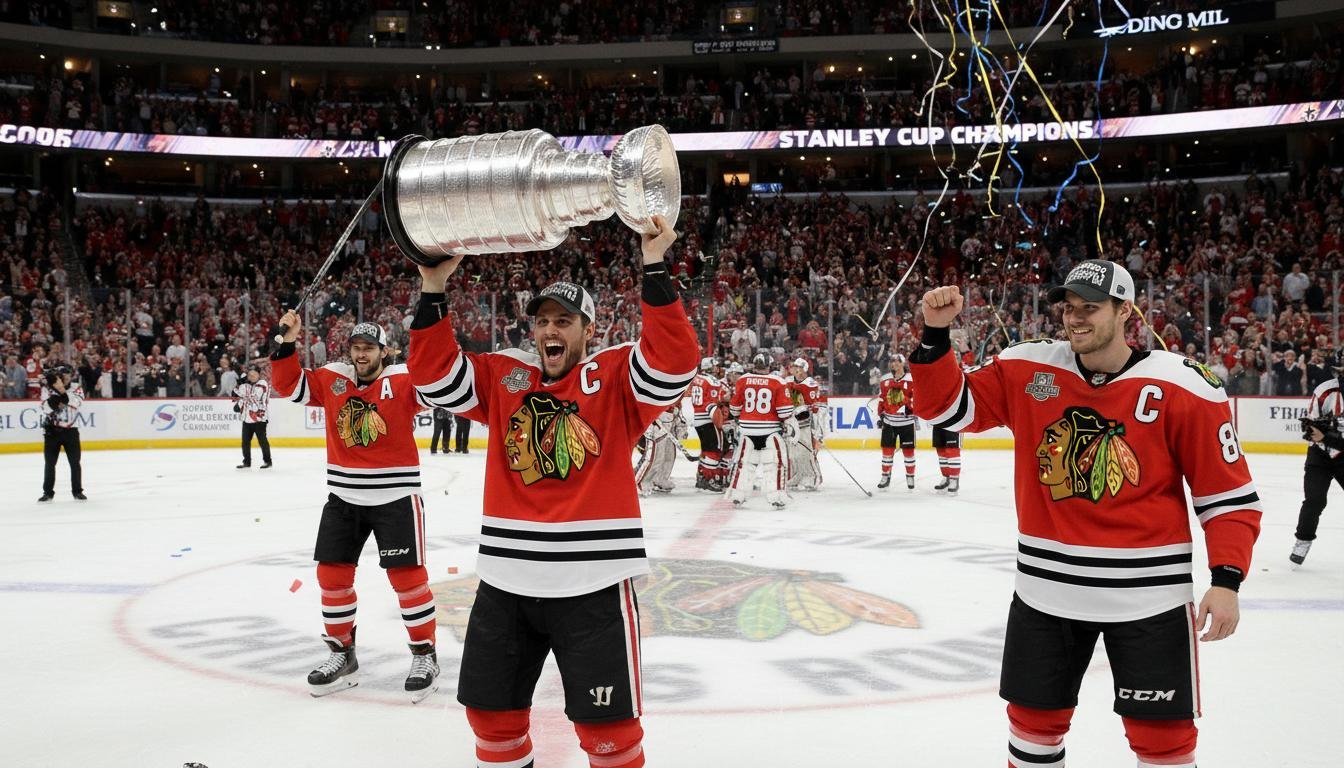
Chicago grabbed most of the headlines in 2010 by winning the Stanley Cup, their first championship since 1961. The victory was a watershed moment for the franchise and a confirmation that patient drafting, smart trades, and a strong development system could topple long-established teams.
That Blackhawks core—young players with poise in the big moments—earned praise for blending offensive creativity with responsible two-way play. The team’s blend of skill, speed and coaching clarity made them a model for franchises aiming to build sustained success.
Philadelphia Flyers: grit and surprise runs
The Flyers’ 2010 campaign reminded the league that experience and tenacity still matter in playoff hockey. Philadelphia rode a hard-nosed style and opportunistic scoring to the Stanley Cup Final, pushing the eventual champions harder than many expected.
Their run was a story of defense and timely offense, and it underscored how a balanced roster—veteran leaders, solid goaltending and depth scoring—can carry a team through the chaos of postseason play. For fans, the Flyers’ season was proof that grit remains an essential ingredient in championship pursuits.
Washington Capitals: regular-season excellence
In 2010 the Washington Capitals stood out for regular-season dominance, led by one of the era’s most feared goal scorers and a skilled supporting cast. Their ability to pile up wins week after week made them a fixture at the top of standings discussions and a benchmark for offensive structure.
Yet Washington’s season also highlighted a recurring truth in hockey: playoff hockey is a different animal. A team built for production sometimes needs tweaks—defense-first adjustments and playoff grit—to translate regular-season success into championships.
San Jose Sharks and Detroit Red Wings: consistency and veteran savvy
San Jose and Detroit represented two flavors of sustained competitiveness in 2010. The Sharks mixed elite skill up front with strong puck control, while the Red Wings relied on decades of organizational stability, veteran leadership and tactical adaptability.
Both clubs taught a simple lesson: long-term success isn’t accidental. It’s the product of scouting, player development, and an organizational culture that can shift game plans yet still preserve core identity. Teams aspiring to emulate them study how those franchises balanced immediate results with future planning.
Young stars and developmental pipelines
One of the most interesting stories in 2010 was the maturation of young talent—players who would become franchise cornerstones. The era produced high-ceiling forwards and mobile defensemen who changed how teams constructed lines and defensive pairings.
Behind those players, the American development system—college hockey, the USHL, and junior programs—continued to funnel NHL-ready talent into the league. Programs that emphasized strength, skating and tactical awareness produced players who could step into NHL roles sooner and more effectively.
NCAA and the college-to-pro pathway
College hockey in 2010 remained a vital pipeline for NHL talent, especially for players who needed time to grow physically and mentally. Teams like those in Hockey East and the WCHA pushed prospects into pro-readiness by giving them heavy competition, structured coaching and leadership opportunities.
I’ve watched multiple players I followed in the NCAA arrive in the NHL with a different poise than their junior-league counterparts—more consistent decision-making and a readiness for the grind. That makes college programs essential to the story of American hockey in this period.
Coaching and leadership: the invisible edge
Often overlooked in casual conversation is how coaching philosophies shaped outcomes in 2010. Coaches who could blend structure with the freedom for creative players tended to get more out of their rosters during long seasons and playoffs.
Leadership also mattered off the scoresheet. Captains and veteran cores set the tone in locker rooms, and franchises that cultivated accountable cultures usually found themselves more resilient when injuries or slumps hit.
What fans remember and what changed afterward
Fans remember the drama—overtime thrills, dramatic comebacks and the sight of a team finally hoisting the Cup after decades of waiting. Those moments are part of why the 2010 season still resonates with supporters around the country.
At the same time, the strategic shifts that were visible then—more emphasis on speed, roster flexibility, and analytics-informed decisions—became staples moving forward. The seeds planted in 2010 influenced how teams built rosters for the rest of the decade.
Notable teams to revisit
- Chicago Blackhawks — 2010 Stanley Cup champions and trendsetters for the decade.
- Philadelphia Flyers — tough postseason run and exemplars of playoff resilience.
- Washington Capitals — regular-season juggernauts with elite offensive talent.
- San Jose Sharks — puck possession and offensive depth made them perennial threats.
- Detroit Red Wings — organizational continuity and veteran leadership.
Personal view from the rink
I spent several winters covering local college and junior games around that era, and the change was palpable even at those levels—skating and skill development accelerated, and coaches began to prioritize systems that rewarded quick decision-making. Seeing that developmental shift firsthand reinforced how the NHL teams’ successes in 2010 were not isolated; they reflected a broader change in player preparation across the American game.
For fans who followed both college and pro hockey, 2010 was a year where pathways aligned: young players developed in college and juniors, arrived in the NHL ready, and helped shape the teams that defined the decade.