2010 felt like a turning point for soccer in the United States. The World Cup in South Africa put the national team on a bigger stage while Major League Soccer continued to expand its profile, rosters, and fan bases. In this article I trace which American teams mattered most that year — on the international stage and in domestic competition — and why their influence still echoes a decade later.
Why 2010 was a milestone year
Soccer in the U.S. was no longer a niche pastime by 2010; it was a growing business with real cultural momentum. Television audiences for the World Cup and star-driven MLS signings brought new attention, while teams began to invest seriously in youth development and infrastructure.
The result was two parallel stories: a national team that reminded fans it could compete with the world’s best, and club programs that started to look like long-term projects rather than short-term experiments. Both trajectories shaped who counted among the best U.S. soccer teams in 2010.
United States men’s national team: a World Cup that reset expectations
Under Bob Bradley the U.S. national team arrived in South Africa with questions but left with new respect. The team advanced from a tricky group that included England and Slovenia and reached the Round of 16, where a narrow extra-time loss to Ghana ended a run that had rekindled national optimism.
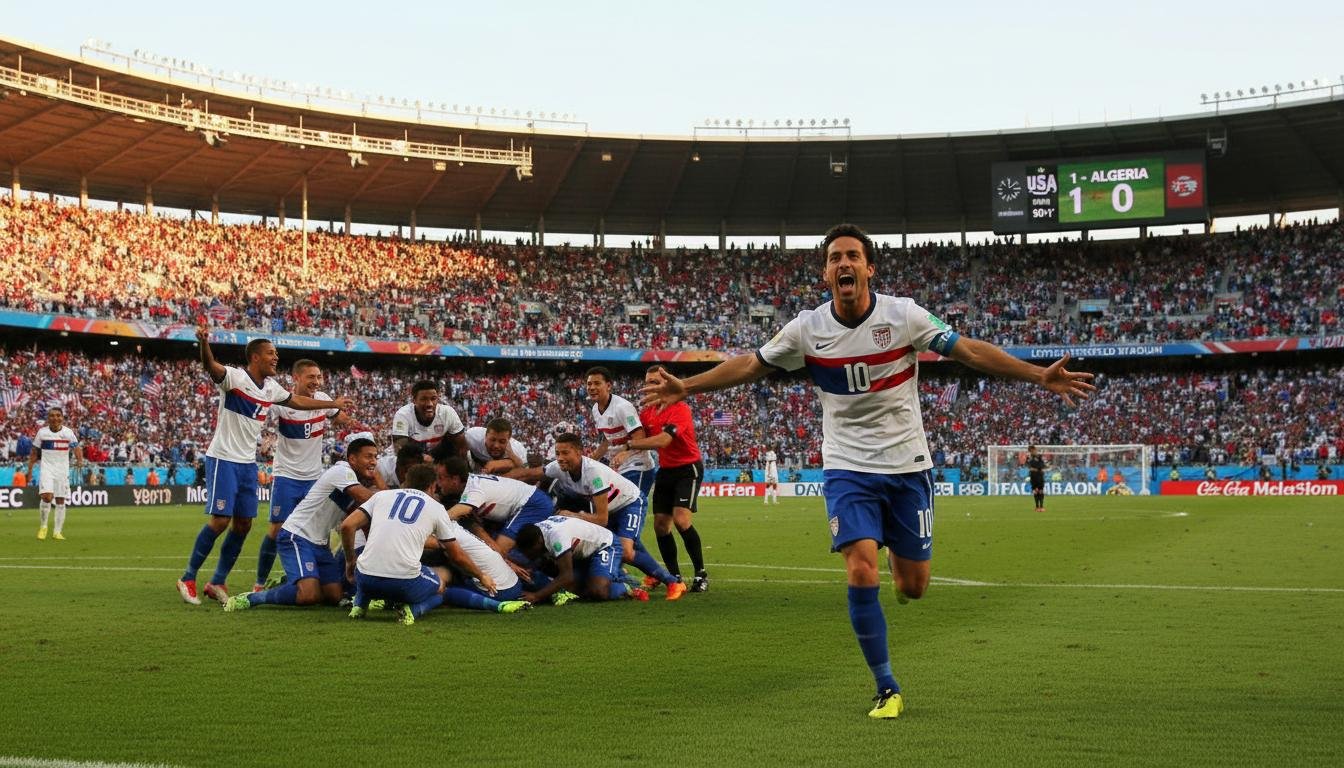
Two moments from that tournament became shorthand for the team’s grit: Clint Dempsey’s lightning-quick goal against England and Landon Donovan’s stoppage-time strike against Algeria to send the Americans into the knockout round. Those plays made the squad one of the most talked-about U.S. sides of the modern era.
Colorado Rapids: MLS Cup glory
At club level the Colorado Rapids stood out because they won the biggest prize in American club soccer that year. Their 2010 MLS Cup victory represented a tactical, team-first approach — a quieter brand of success compared with star-laden rosters elsewhere in the league.
Colorado’s title mattered because it showed a model that other MLS clubs could emulate: smart recruitment, a coherent coach-led identity, and a willingness to win without relying on one marquee name. That championship cemented the Rapids’ place among the season’s best teams.
FC Dallas and youth development coming of age
FC Dallas earned attention in 2010 by reaching the MLS Cup final and by becoming one of the league’s more consistent producers of young talent. Their academy philosophy started to pay dividends, turning promising teenagers into first-team contributors.
What made Dallas notable was less a single piece of silverware than the broader blueprint: a club focused on sustainable talent funnels and a style that fed both the roster and the national team pool. In that sense, their influence extended well beyond one playoff run.
LA Galaxy: star power and mainstream attention
The LA Galaxy remained among the most visible clubs in U.S. soccer thanks to high-profile names and a strong marketing push. Even when the results didn’t always match the headlines, the Galaxy helped raise the entire league’s profile by demonstrating the commercial possibilities of MLS.
Beyond business, the Galaxy’s mix of established American internationals and international signings helped draw fans to stadiums and living rooms. That visibility proved important for the sport’s growth, even as other clubs focused more on system and youth.
Seattle Sounders: culture, crowds, and cup success
The Seattle Sounders were no ordinary expansion side; they arrived with an instant and fervent fan culture that redefined expectations for MLS atmospheres. Sounders crowds created home-field environments that became the envy of many older leagues, and the club backed that culture with competitive squads.
On the pitch, Seattle also made its mark in domestic cup competition and regular-season play, signaling that passionate support and tactical ambition could coexist. Their model influenced how cities measured success beyond trophies alone.
Real Salt Lake and the merit of system soccer
Real Salt Lake entered 2010 as a recent champion and as a club built around clear tactical principles. Their 2009 MLS Cup win had already proven that disciplined, cohesive soccer could beat flashier teams with bigger names.
RSL’s consistency and emphasis on organization showed that MLS was becoming a league where different philosophies could each produce winners. They remained a reference point for clubs aiming to build sustainable competitiveness.
Honorable mentions: clubs that shaped the conversation
Several other teams deserve recognition for their contributions in 2010. Columbus Crew, with its steady roster construction; New York Red Bulls, beginning to attract bigger international talent; and historic programs like D.C. United, which still carried weight in the American soccer story despite uneven seasons.
These clubs didn’t all win championships, but they helped frame the competitive and cultural landscape of U.S. soccer and influenced roster-building trends, supporter engagement, and league ambitions.
Quick reference: notable teams of 2010
| Team | Why notable in 2010 |
|---|---|
| United States (USMNT) | Respected World Cup run to the Round of 16; moments of global visibility. |
| Colorado Rapids | MLS Cup champions; team-first tactical approach. |
| FC Dallas | MLS Cup finalist and growing academy pipeline. |
| LA Galaxy | Major star power that raised MLS’s mainstream profile. |
| Seattle Sounders | Supporter culture and domestic cup success. |
| Real Salt Lake | System-driven success following their 2009 title. |
What 2010 taught us about building a lasting soccer culture
The most important lesson of 2010 wasn’t a single champion or moment; it was proof that multiple routes lead to success. Teams could succeed through star signings, through youth investment, or by building a strong collective identity.
For fans and club builders alike, that year made clear that soccer in the U.S. had reached a degree of maturity. The conversations shifted from whether the sport could grow here to how to make that growth sustainable and competitive on the world stage.
Personal note: why I still remember 2010
As a longtime follower of American soccer I remember the electric mix of optimism and realism that year brought. Watching Donovan’s decisive goal and then turning back to see a club like Colorado lift the MLS Cup illustrated both sides of the sport — the dramatic, individual moments and the quieter, collective achievements.
Those memories matter because they mark a moment when American soccer began to feel less experimental and more inevitable. The teams that mattered in 2010 helped make that inevitability real.
Sources and recommended reading
FIFA World Cup 2010 archive: https://www.fifa.com/worldcup/archive/southafrica2010/
Major League Soccer official site and history pages: https://www.mlssoccer.com/ and https://www.mlssoccer.com/history/
U.S. Soccer Federation: https://www.ussoccer.com/
ESPN soccer coverage and archives: https://www.espn.com/soccer/