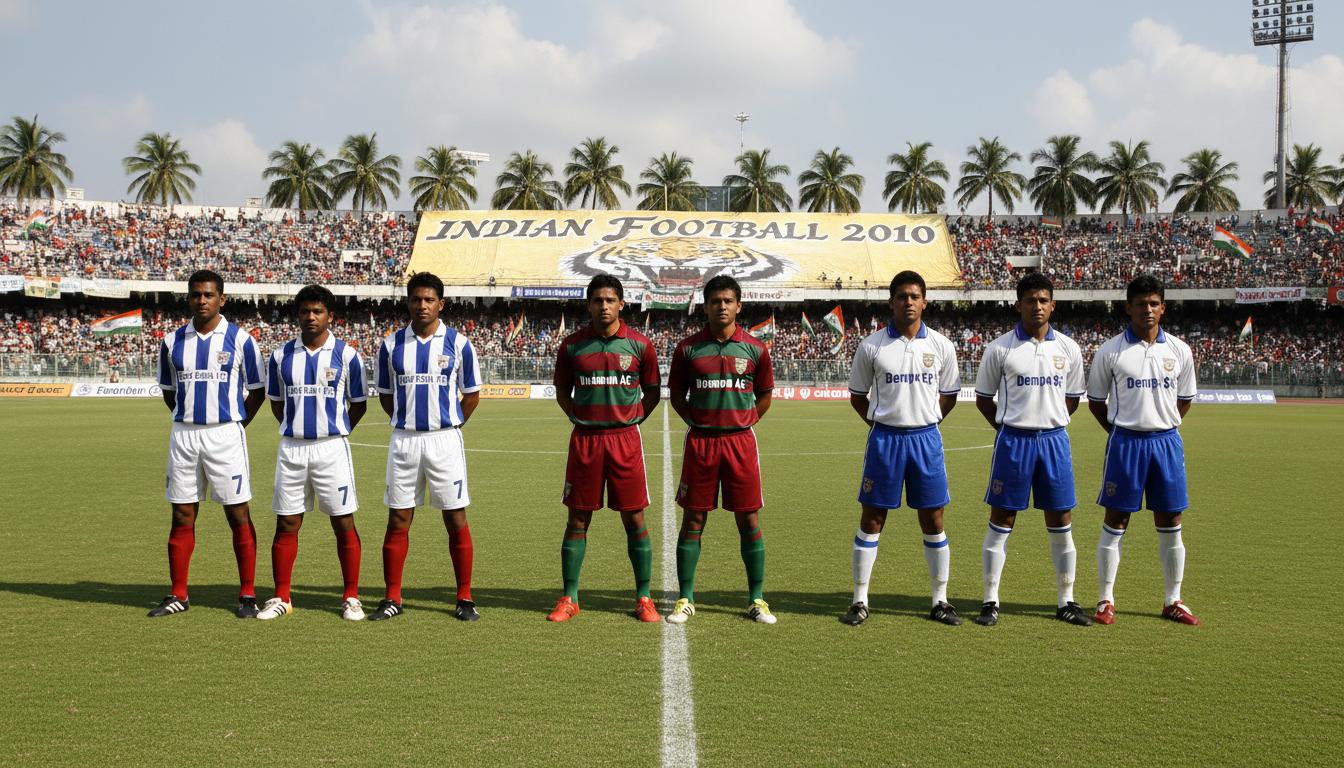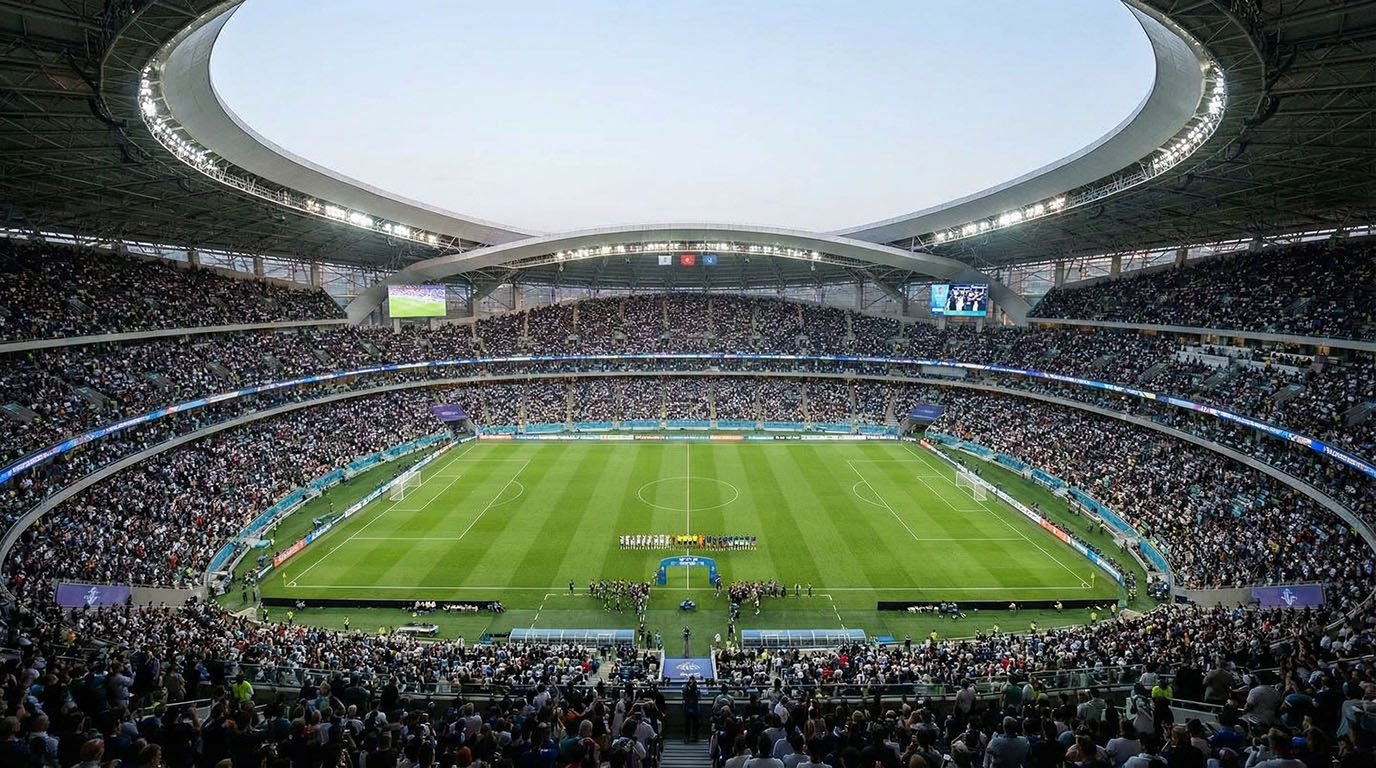
2010 was a hinge year for French football: the old guard still claimed respect, while a handful of rising squads quietly rearranged the balance of power. Fans remember the noise in the stands more than the statistics, but the stories behind each club — managers who instilled belief, youngsters who burst through, and communities that rallied — tell why certain teams stood out that year. This piece sketches the leading sides of that season, explaining what made them competitive and how their trajectories shaped the decade to come.
Olympique de Marseille: champions and crowd-backed culture
Marseille arrived at 2010 riding the crest of a long-awaited domestic triumph. Under Didier Deschamps, the team combined defensive organization with a forward line that could be both physical and creative. The title ended an extended drought and reasserted Marseille’s identity as the most vociferous, tradition-rich club in France.
Key figures like the captain and goalkeeper provided stability while a core of experienced pros delivered consistency over the long season. Tactical pragmatism and a fan base that turned the Stade Vélodrome into an intimidating venue were decisive factors in tight matches. For many neutral observers, Marseille’s resurgence that year was proof that sound management and club culture can rival sheer spending.
Olympique Lyonnais: the steady standard-bearers
Lyon had dominated Ligue 1 through much of the 2000s, and by 2010 they still represented the standard against which others measured themselves. Even as the title slipped from their hands, their youth development, scouting network, and match-day professionalism remained exemplary. This continuity kept them competitive domestically and respected in Europe.
Players graduating from Lyon’s academy continued to populate the first team and attract transfer-market attention across Europe. The club’s blend of athletic goalkeeping, technical midfield play, and tactical versatility meant they were rarely out of contention. In short contests and long campaigns alike, Lyon exemplified structural strength rooted in long-term planning.
Girondins de Bordeaux: recent winners with playmakers
Bordeaux entered 2010 as a club that had produced trophies in the previous years and continued to punch above its financial weight. The team’s identity hinged on technical midfield play and a knack for finding creative solutions in attack. That approach brought European nights and a reputation for producing midfield talents who could control tempo and unlock defenses.
While Bordeaux did not always keep the same level across full campaigns, their capacity to craft tidy attacking patterns and nurture high-level technicians made them a consistent presence in discussions about France’s best teams. For opponents, containing Bordeaux’s midfield orchestration was often the primary tactical concern.
Lille: talent factory on the rise
Lille in 2010 could be described as the patient project finally showing results. The club’s scouting and academy systems were bringing through promising players who combined energy with technical skill. That cohort would shortly translate into domestic triumphs and export-quality transfers, but already in 2010 the outlines of that success were visible.
Emerging stars provided dynamism on the wings and a willingness to press opponents high up the pitch. Lille’s management favored intelligent recruitment and incremental strengthening rather than headline-making signings. That approach paid dividends: the club began blending tactical discipline with youthful unpredictability in ways that made them dangerous to established powers.
Paris Saint-Germain: history, potential, and an uneasy position
Paris Saint-Germain entered 2010 carrying a heavy historical weight but without the financial muscle that would arrive later in the decade. The club’s fan base and profile meant expectations were always high, though results and consistency lagged behind the capital’s stature. PSG in 2010 was a reminder that reputation alone cannot replace a coherent sporting project.
On the pitch, moments of brilliance were offset by defensive lapses and managerial churn. The 2010 squad included players capable of changing a game, yet the club lacked the sustained balance needed for top-table contention. PSG’s position at that time made them an intriguing “what if” — a big club waiting for the right structure to unlock long-term success.
AS Monaco and Saint-Étienne: histories that still mattered
Monaco and Saint-Étienne occupied different places in the French football landscape but shared the weight of historic success. Monaco had recent highs and occasional European runs, while Saint-Étienne remained a symbol of French footballing tradition with passionate local support. Both clubs could produce results that disrupted the expectations of bigger budgets and brighter rosters.
Monaco wrestled with the balance between ambition and stability, and Saint-Étienne leaned on community identity to galvanize performances. Their trajectories in 2010 were reminders that French football’s depth was anchored not just in the capital or Marseille, but in provincial cities with strong identities and proud histories.
Tactical trends and what 2010 signaled for the future
Across France in 2010 there was a discernible shift toward emphasizing youth, athleticism, and pressing intensity. Clubs that balanced astute recruitment with developmental patience began to outpace those that relied on short-term fixes. Tactical flexibility — the ability to switch from compact defense to rapid transitions — became a hallmark of the most successful sides.
These trends foreshadowed the era that followed: teams with strong academies and clear playing philosophies gained both sporting results and financial returns through player sales. In many ways, 2010 marks the pivot from big-spending fantasies to a more sustainable model that valued talent pipelines and clever scouting.
Fan culture and stadiums: the invisible advantage
Any discussion of France’s best teams must include the distinct atmosphere of matches, which can tilt results in subtle ways. Stadiums such as Marseille’s Stade Vélodrome and certain provincial grounds offered intense home advantages, where crowd noise and identity translated into extra effort on the pitch. Local culture, too, shaped club priorities and recruitment choices.
I remember attending a top-flight match in France around that period and being struck by how supporters’ rituals seemed to lift the players in crucial moments. That extra rhythm — the chants, the banners, the shared seasonal narrative — often proved the marginal difference in cup ties and late-season scrums.
Quick reference: notable clubs in 2010
The table below summarizes the main clubs that defined French football around 2010 and what they were known for at the time.
| Club | 2010 highlight | Noted strength |
|---|---|---|
| Olympique de Marseille | Domestic champions (end of drought) | Passionate fan base and defensive organization |
| Olympique Lyonnais | Consistent top finishes | Youth development and structural stability |
| Girondins de Bordeaux | Recent trophy winners and European presence | Technical midfield play |
| Lille | Emerging young core | Academy and astute recruitment |
Looking back, 2010 feels like a hinge between eras: a time when tradition still mattered and the seeds of a newer, data-driven, youth-focused model were being sown. The best teams of that moment combined respect for club identity with an eye for the future, and their choices shaped French football for years afterward.