2010 was a year when tradition met transition across Brazilian football. Clubs with deep histories held their ground while younger squads and emerging stars nudged the landscape toward a new decade. This piece revisits the clubs that mattered most that season, why they stood out, and how their campaigns shaped Brazilian soccer in the years that followed.
Setting the scene: why 2010 was a pivotal season
The calendar that year combined domestic drama with continental ambitions, and the national team’s World Cup run added its own momentum to club football at home. Clubs juggled league duties, domestic cups, and continental competitions, forcing managers to prioritize and adapt on the fly.
Financial shifts, player sales to Europe, and the rise of a few exceptional youngsters made squads more fluid than in previous eras. Fans still filled stadia for big matches, and historic rivalries produced some of the most memorable domestic fixtures of the decade.
Fluminense: champions who married pragmatism with flair
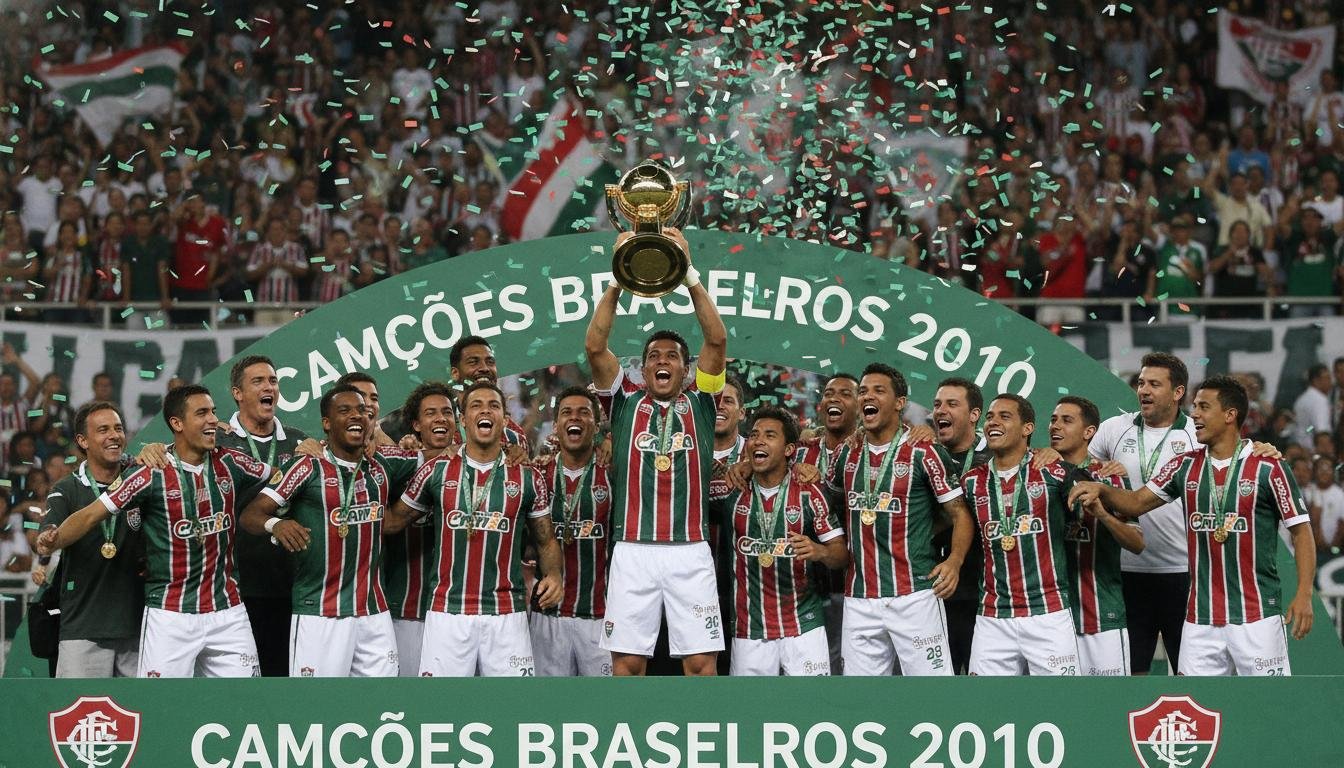
Fluminense claimed the Brasileirão title in 2010, re-establishing itself among Brazil’s elite after seasons of near misses. Their campaign combined defensive solidity with moments of attacking invention, winning points on consistency rather than streaks of luck.
That title felt like the product of a clearly defined plan—smart recruitment, a stable dressing room, and tactical clarity on matchdays. For many supporters the championship reconnected the club to a sense of long-term promise rather than short-term survival.
Santos: the breeding ground for a new generation
Santos continued to be a focal point for talent development, and 2010 was an important chapter in the club’s modern renaissance. Young players who would soon attract international attention were already showing glimpses of why Santos is regarded as a cradle for attacking football.
The club’s tradition of bold, forward-minded play stayed intact, drawing crowds and scouting interest across the continent. Stadium nights at Vila Belmiro reminded fans that tactical youth development can coexist with competitive ambition.
Internacional: steady continental contenders
Internacional entered 2010 with the reputation of a side capable of deep continental runs, and they carried that weight into domestic play. The club’s administrative and sporting structures prioritized sustained competitiveness, which translated to consistent results across competitions.
Rather than relying on a single superstar, Internacional favored a balanced squad capable of adapting to different opponents. That adaptability made them one of the teams opponents respected most in that season.
Cruzeiro: a mix of grit and attacking intent
Cruzeiro remained a fixture in the conversation for top honors in 2010, combining a hard-working midfield with flashes of offensive creativity. Their matches often featured compact defensive phases followed by quick transitions into attack.
From a supporter’s perspective, Cruzeiro’s 2010 identity was resilience; the team could grind out points and occasionally surprise bigger clubs with direct, effective football. That character kept them competitive across the calendar.
São Paulo: experience and tactical discipline
São Paulo brought veteran leadership and tactical organization to the table, relying on a compact structure to control matches. The club’s football philosophy in 2010 emphasized organization first, creating a foundation for counterattacks and set-piece opportunities.
Experience in the dressing room helped São Paulo navigate the season’s ups and downs, with match intelligence often compensating for occasional dips in attacking productivity. That pragmatic approach kept them in title conversations and continental qualification races.
Corinthians: building momentum toward future success
Corinthians in 2010 were a club in the process of rebuilding momentum that would later culminate in major achievements. They blended local talent with targeted signings, intent on restoring the club’s national dominance without losing touch with fan expectations.
Matches against historic rivals were still the emotional high points of the calendar, and those fixtures highlighted Corinthians’ potential when tactical planning and passion aligned. The season planted seeds for subsequent triumphs at home and abroad.
Flamengo and Palmeiras: big names, big expectations
Flamengo and Palmeiras entered 2010 carrying the weight of immense supporter bases and long institutional memories of success. Both clubs experienced moments of brilliance and bouts of inconsistency, a common pattern when expectations are sky-high.
Each maintained the ability to produce stunning individual performances and important victories, but both also faced the challenge of translating occasional flashes into sustained title pushes. Their seasons underscored how size and history are advantages only when matched with stability and planning.
How tactics and youth influenced outcomes
Tactically, 2010 was a blend of traditional Brazilian flair and more modern, structured approaches. Several managers favored compact defenses and quick transitions, a practical answer to congested fixture lists and continental travel demands.
On the youth side, clubs increasingly invested in academies and scouting, recognizing that sustainable success required nurturing talent in-house. That investment paid off for teams that combined youth development with intelligent integration into first-team plans.
Key matches and turning points
Certain derbies and late-season fixtures decided title races and continental slots, moments when form and nerve mattered most. These high-stakes matches often exposed which teams had the managerial clarity and squad depth to deliver under pressure.
For supporters, those matches remain vivid memories—tight tactical battles, refereeing controversies, and last-minute goals that shaped final tables and learned lessons for club leadership going forward.
Legacy: what 2010 left for Brazilian football
The season’s legacy was less about sweeping tactical revolutions than about consolidation and preparation for the coming decade. Clubs that prioritized stable planning and youth development positioned themselves well for the 2010s.
Fans looking back see 2010 as a hinge year: a moment when established powers reasserted themselves and when newer narratives—rising stars, smarter scouting, and improved club infrastructures—began to reshape domestic competition.
Notable teams and 2010 highlights
| Team | 2010 highlight |
|---|---|
| Fluminense | National champions, consistent across the season |
| Santos | Continued reputation for producing attacking talent |
| Internacional | Strong continental pedigree and balanced squad |
| Cruzeiro | Defensive resilience and effective counterplay |
Author’s note and a personal match memory
I remember watching several fixtures from that era and being struck by how much atmosphere still filled the stands despite the growing modern pressures of transfers and television schedules. A late-season visit to Maracanã for a Fluminense match captured the mix of hope and stern expectation that defined many clubs that year.
Those evenings showed that Brazilian football’s soul—its fans, rivalries, and spontaneous attacking moments—remained intact even as clubs modernized behind the scenes.
Further reading and sources
For historical standings, official records, and deeper archives consult the following authoritative sources and expert sites that informed this overview:
- Confederação Brasileira de Futebol (CBF)
- FIFA—historical competitions and club context
- ESPN—season summaries and match reports
- Globo Esporte—Brazilian match coverage and archives
- RSSSF Brasil—detailed statistical archives
These resources provide match-by-match data, tables, and contemporary reporting for anyone who wants to dig deeper into the season’s specifics and the performances of the clubs discussed above.