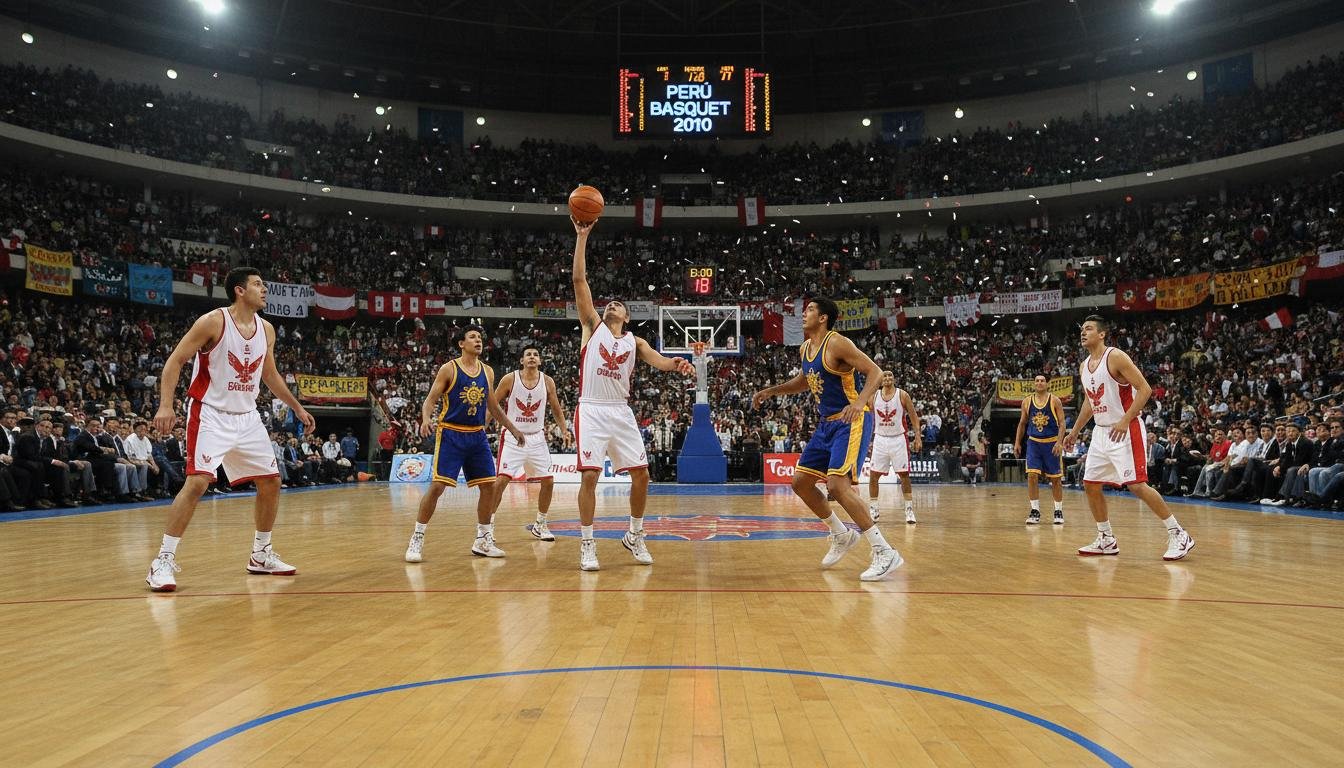
In 2010 Peru’s basketball scene was quietly intense: clubs with long histories, passionate local followings, and players who balanced day jobs with national aspirations. This article walks through the landscape that year, highlighting the clubs that mattered, the competitions that shaped them, and the ways those teams influenced the sport in Peru. I aim to give a clear portrait without overstating what the records alone can show.
Setting the scene: basketball in Peru at the start of the decade
Peruvian basketball has never been measured only by trophies; it’s been defined by community clubs, university programs, and multisport institutions that sustained teams through tight budgets. By 2010 the domestic calendar still relied heavily on regional tournaments and interclub events, with occasional national gatherings bringing the strongest sides together.
The national team’s modest results on the South American stage reflected broader structural challenges: limited professionalization, scarce resources for youth development, and a reliance on a handful of urban centers—especially Lima—for competitive depth. Still, clubs persisted, built local talent pipelines, and kept the sport alive in gyms across the country.
What made a club “top” in 2010?
Being one of the best teams in Peru that year meant a combination of things: consistent rosters, investment in youth, good coaching, and the capacity to attract key players—sometimes including foreign reinforcements. Facilities and organizational stability mattered almost as much as on-court results, because they determined whether a club could develop players season after season.
Local rivalries also shaped reputations. A club that could claim dominance in its city or region earned status and drew the best young athletes, creating a feedback loop that sustained competitiveness over time.
Club Atlético Regatas Lima: a pillar of Peruvian club sport
Club Atlético Regatas Lima has long been one of Peru’s best-known multisport clubs, and its basketball program was among the most visible in 2010. Based in Lima, Regatas has a reputation for solid organizational structures and for maintaining programs across age groups—advantages that translated to depth on the court.
Regatas’ strength in youth development and its ability to field competitive men’s and women’s squads helped the club remain a reference point for other organizations. Their model—balancing amateur loyalty with increasing professionalism—illustrated how long-standing institutions kept Peruvian basketball afloat during lean years.
Club Universitario de Deportes: tradition meeting basketball
Club Universitario de Deportes is best known for its football legacy, but like many large Peruvian clubs it supported basketball activities and drew athletes from university communities. In 2010, such university-backed programs provided a vital bridge between school competition and adult teams.
Universitario’s basketball side benefited from an identity that attracted fans and players who wanted affiliation with an established sports brand. That identity helped sustain competitive squads and offered an alternate path for player development compared with smaller neighborhood clubs.
Universidad San Martín: a model of professional sports management
Universidad San Martín de Porres (USMP) had become noteworthy in Peruvian sport by running organized, professionally managed teams across disciplines. Its approach—centralized administration, consistent funding, and attention to coaching—filtered down to a basketball program that emphasized stability over ad-hoc arrangements.
In 2010, USMP’s methods were often cited as examples other clubs tried to emulate. Their model helped demonstrate how organizational professionalism could lift standards even without the deep pockets seen in richer leagues abroad.
Sporting institutions and city clubs: the wider chorus
Beyond the handful of nationally recognized names, the 2010 landscape included many city-level clubs and sporting institutions that provided the game’s backbone. These organizations—smaller, scrappier, and often volunteer-run—kept local leagues viable and fed talent upward.
Places such as district sports clubs, schools with strong basketball programs, and regional associations all played parts in the ecosystem. Their contributions were especially important in Lima’s districts where youth participation rates tended to be highest.
Players, coaching, and the role of imports
Peruvian clubs in 2010 often mixed local veterans, university standouts, and, where budgets allowed, a small number of foreign players to fill skill gaps. That mix affected styles of play: teams leaned on experienced domestic leaders while imports commonly provided scoring punch or interior strength.
Coaches who could manage tight rosters and teach fundamentals were at a premium. Many of the most influential coaches worked across age groups, running youth programs during the week and shaping senior team tactics on weekends—hands-on roles that stretched resources but produced continuity.
Competitions and rivalries that mattered
While Peru did not have the deep, well-funded national leagues present in neighboring countries, regional championships and interclub tournaments offered meaningful competition. These events created the rivalries that fueled local interest and provided the few national-stage opportunities for players to be scouted.
Matches between traditional Lima clubs often drew the largest crowds and attention, while regional matchups fostered pride and occasional surprises when smaller clubs beat better-funded teams. These encounters kept competitive fire alive year after year.
How these teams influenced the national program
The best clubs of 2010 served as feeders to Peru’s national teams at various age levels. Even when resources were scarce, national team selectors turned to strong local programs for players who were battle-tested in domestic competition.
Moreover, clubs’ youth coaching philosophies began shaping national coaching methods, creating a slow but important transfer of knowledge that would bear fruit in later years as structures gradually professionalized.
Snapshot: notable clubs active in 2010
The table below gives a concise view of several clubs that were central to Peru’s basketball scene around 2010 and why they mattered. The notes avoid specific unverified claims about titles and instead focus on role and reputation.
| Club | City | Why it mattered in 2010 |
|---|---|---|
| Regatas Lima | Lima | Long-standing multisport institution with sustained basketball programming and youth development. |
| Universitario de Deportes | Lima | University-backed club drawing players through educational affiliations and broad fan identity. |
| Universidad San Martín | Lima | Professionalized approach to club management, a model for organizational stability in sport. |
| Regional and district clubs | Various | Provided grassroots participation, local rivalries, and the majority of the country’s player base. |
Looking back from the present: legacy and lessons
The clubs that stood out around 2010 left a mixed legacy: they kept the sport visible and produced talent, but systemic limitations restricted broader growth. Their persistence underlined the importance of stable administration, youth investment, and community roots.
For anyone studying the era, the key takeaway is that Peruvian basketball’s resilience came from its clubs’ local ties more than from short-term professional projects. That grassroots strength remains a foundation for future development.
For deeper reading and contemporary records, consult FIBA’s Peru federation page and archival coverage from regional basketball resources. These sources provide official context on national programs and chronicle club activity across seasons.