What did African basketball look like at the start of the last decade? The year 2010 was a hinge point: the continent’s long-established powers were still dictating the narrative, while a new wave of clubs and national programs were beginning to close the gap. This article takes a close look at the teams that mattered most that year — why they stood out, how they performed on the continental stage, and what their success meant for the development of the sport in Africa.
Why 2010 was a meaningful snapshot
By 2010, African basketball had matured into a clearer hierarchy: a handful of national teams dominated AfroBasket tournaments, while club competition under the FIBA Africa umbrella showcased a separate but related rivalry. The 2008–2010 period framed an Olympic and World Championship cycle, so national programs felt pressure to consolidate talent and coaching systems.
At the same time, professional club basketball across North and Sub-Saharan Africa was consolidating talent and resources. Clubs with strong domestic leagues and reliable funding were able to attract top regional players, and those clubs often doubled as talent pipelines for national teams. Watching which clubs and countries were winning regional trophies offered a good sense of which teams were the best in Africa in 2010.
Leading national teams around 2010
Africa’s international pecking order around 2010 was relatively stable at the top, but a few nations were clearly on the rise. National teams that combined organized coaching, stable domestic competition, and exportable talent were the ones to watch. Below I profile several programs that were most influential that year.
Angola: sustained excellence
Angola’s national program was the barometer of African success in the 2000s and remained so into 2010. Years of investment in coaching, a deeply competitive domestic league, and a generation of experienced players kept Angola at or near the top of AfroBasket standings. Their system — disciplined, defensively sound, and physically well-prepared — set the standard for other African teams to emulate.
Angola’s consistency also showed off the benefits of a club pipeline: top Angolan clubs supplied the national team with players who were accustomed to high-pressure continental club play. That continuity between club and country helped them maintain their edge during the 2010 cycle.
Tunisia: the rising challenger
Tunisia entered the decade as an ascending force rather than an established dynasty. Strong domestic clubs and improved youth development began producing players capable of competing with the continent’s best. Tunisia’s tactical discipline and willingness to invest in coaching paid off, and by 2010 they were clearly in the conversation as one of Africa’s top national sides.
The Tunisian example showed that structural improvements — better coaching education, organized youth leagues, and targeted club support — could translate quickly into improved continental results. Their progress would become even more apparent in subsequent AfroBasket tournaments.
Nigeria and Egypt: deep talent pools
Nigeria and Egypt represented two different strengths. Nigeria’s advantage was depth: a large pool of players with experience in U.S. college basketball and European leagues meant the national team could draw on athleticism and versatility. Around 2010, Nigeria was building toward greater continental competitiveness by harnessing that diaspora talent.
Egypt’s pedigree came from a long sporting tradition and organized domestic competition in North Africa. While they were not always atop the continental podium in 2010, Egypt’s clubs and national team had the infrastructure and experience to remain relevant and to push for top finishes in regional play.
Côte d’Ivoire and Senegal: seasoned competitors
West African programs like Côte d’Ivoire and Senegal remained influential around 2010 due to a combination of athleticism and history. Both nations had produced standout players and had a culture of basketball that yielded strong showings in continental tournaments. Their challenge was often to find the coaching and organizational continuity necessary to remain competitive year after year.
These teams demonstrate that talent alone doesn’t guarantee sustained dominance; governance, league strength, and talent retention are equally important when measuring which squads were truly the best in Africa in 2010.
Top club teams in 2010
Club success often paralleled national success. Clubs that invested in coaching, facilities, and stable rosters were the ones winning continental trophies and producing national-team players. Below are clubs that stood out in and around 2010 for their continental performances and domestic dominance.
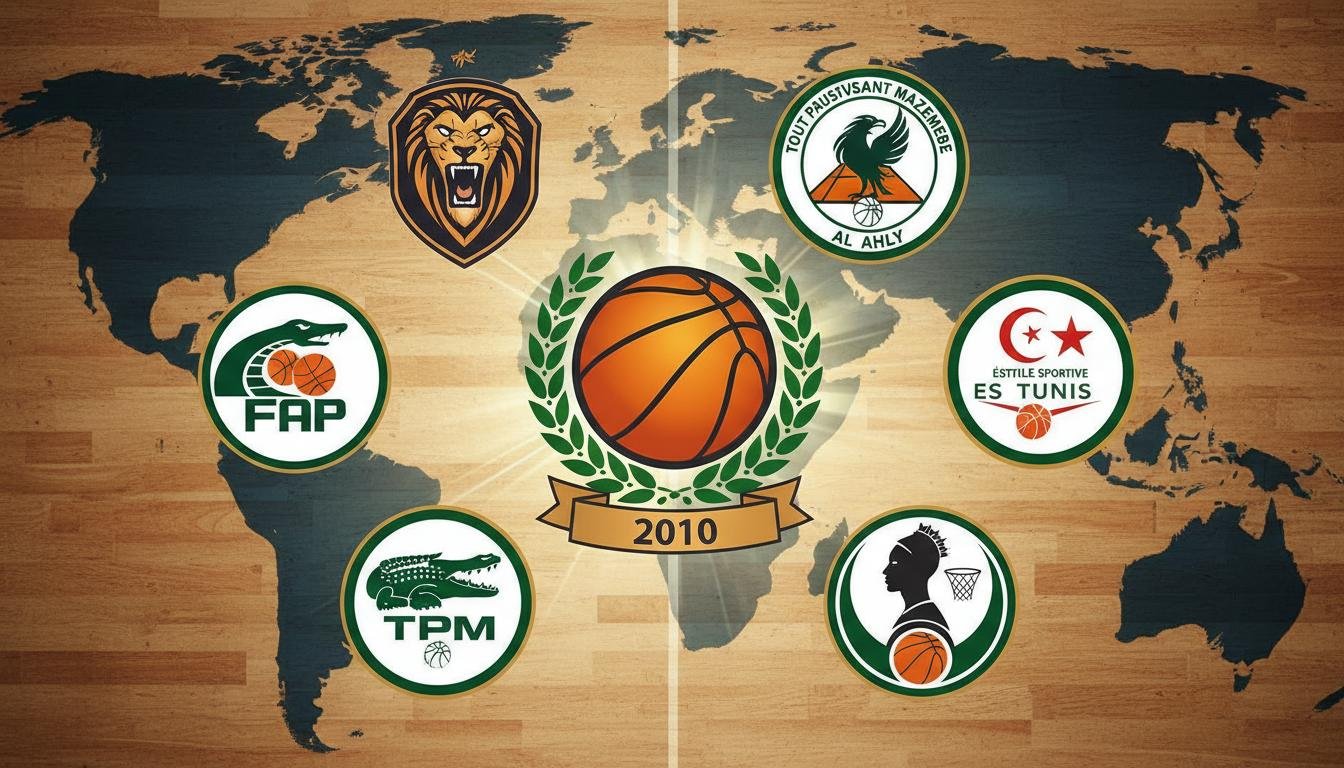
| Club | Country | Why they mattered in 2010 |
|---|---|---|
| Primeiro de Agosto | Angola | Longstanding continental contender with a professional structure and regular appearances deep in FIBA Africa club competitions. |
| Petro de Luanda | Angola | Domestic rival to Primeiro de Agosto, Petro supplied players to the national team and maintained strong regional results. |
| Étoile Sportive du Sahel | Tunisia | One of Tunisia’s best clubs, helping the country’s rise by developing players and competing effectively in North African derbies. |
| Al Ahly | Egypt | Historic Egyptian club with deep roots in African competition and a reputation for discipline and organization. |
The clubs above were examples rather than an exhaustive ranking; across Africa there were several other teams that had strong 2010 campaigns depending on the tournament. What linked the most successful clubs was a combination of financial stability, coaching continuity, and the ability to keep star players engaged in continental competitions.
Players and coaches shaping the year
Individual stars and inspired coaches made 2010 memorable. Veteran leaders from dominant national teams provided the stability younger players needed to perform in knockout settings. Coaches who emphasized structure and defense tended to outperform teams that relied solely on raw athleticism.
Beyond tactics, the 2010 story was about player pathways. Players who competed in stronger African leagues or who had professional experience abroad returned with higher tactical understanding and physical preparation. Those returning pros often became the spine of their national teams and their clubs.
What this told us about African basketball’s direction
The state of play in 2010 illustrated two clear trends: centralization of talent in a handful of clubs and nations, and a rapid narrowing of the gap as more countries invested in development. North African nations were improving through organized club systems, while some Sub-Saharan countries capitalized on diaspora talent and coaching exchanges.
That convergence made continental tournaments more meaningful. Fans followed club competitions closely because they often showcased future national-team stars, and national games became tests of long-term planning rather than one-off athletic advantages.
Personal perspective: watching the shift unfold
I remember attending a club fixture in North Africa around this era and being struck by the professionalism: organized warm-ups, tactical timeouts, and packed arenas that treated players like local celebrities. That combination of fan pressure and organized coaching created an environment where young players learned faster and where clubs invested in sustainable growth.
Those local experiences reflect the continental picture: by 2010, basketball in Africa had become more than a series of talented individuals. It was an ecosystem that rewarded planning, coaching, and stable competition — qualities that separated the very best teams from the rest.
Takeaways for fans and historians
If you look back on 2010 and ask which squads were the best, the right answers depend on the lens you use. Angola stood out in international play because of system and continuity; certain Angolan clubs set the standard at the continental club level; and countries like Tunisia and Nigeria were the clearest examples of programs about to break into the top tier.
Rather than a definitive single list, 2010 is best remembered as a year when established powers held their ground and new challengers sharpened their tools. That balance is what made African basketball interesting — and set the stage for the more diverse champions and club winners that followed in later years.
Sources and expert references
FIBA — official tournament archives and historical overviews: https://www.fiba.basketball
AfroBasket — African basketball news, team histories, and competition results: https://www.afrobasket.com
FIBA Africa Champions Cup (historical summaries and past champions): https://www.fiba.basketball/africaclubchampionscup (FIBA archives)