The opening minutes of a football match are a compressed experiment: fresh legs, nervous energy, and tactical unknowns collide into a handful of decisive moments. For bettors, those minutes can offer outsized value—either by backing the expected favorite to impose themselves early, or by spotting an underdog with a realistic path to an early strike. This article walks through the evidence, the mindset, and practical tactics you can use when deciding whether to support the favorite or the underdog for the first goal in those crucial opening moments.
Why the starting minutes deserve attention
Early goals change the arithmetic of a match far more than goals later on; they force tactical shifts, influence substitution patterns, and often reflect pre-match intent. Teams that start aggressively can turn possession and territorial advantage into scoring chances quickly, which means a single decision—press high, send the fullbacks—can create meaningful odds moves within minutes.
From a betting perspective, markets react slowly at times, especially in lower-profile matches, so early momentum frequently offers value before bookmakers adjust lines. That window of inefficiency is what separates casual wagers from a considered first-goal strategy focused on minute-by-minute behavior rather than season-long reputation alone.
How favorites and underdogs typically behave in the opening minutes
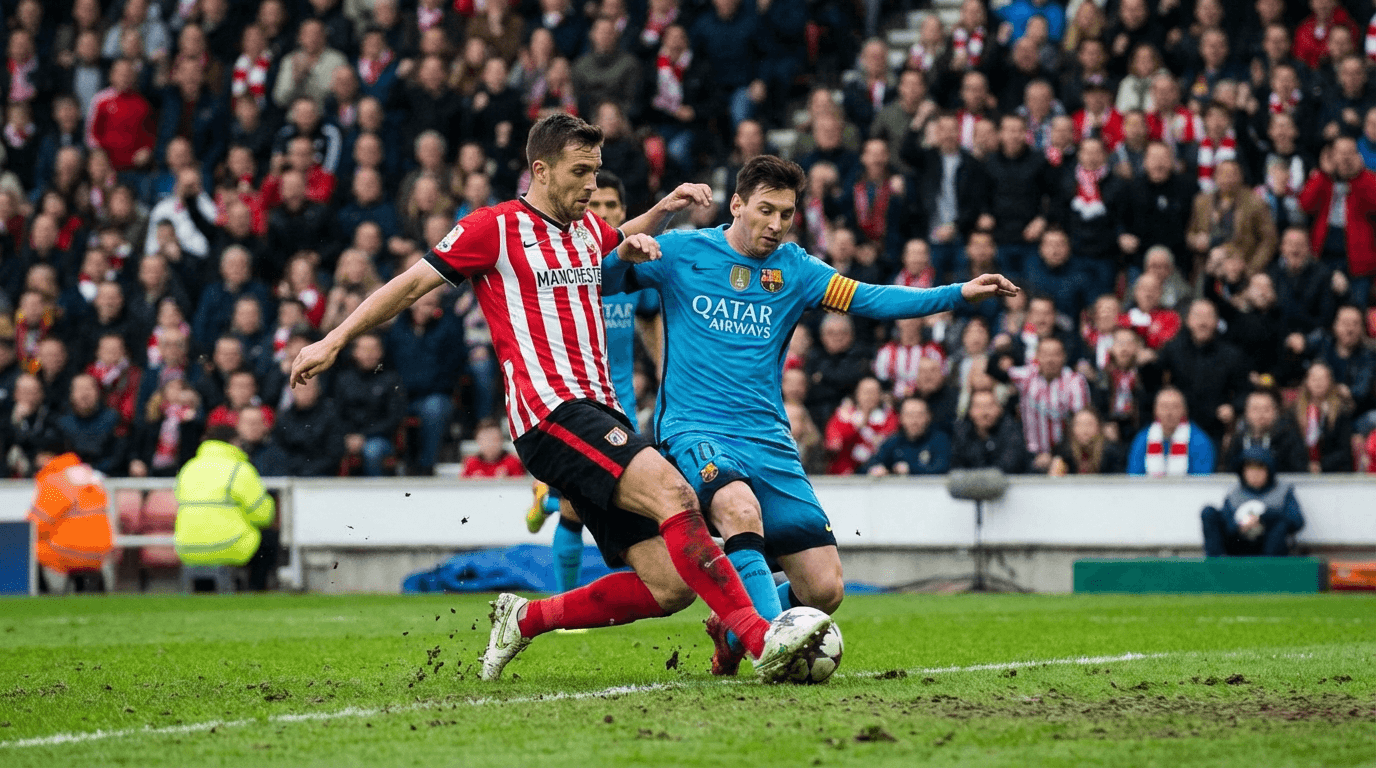
Favorites tend to control the ball and territory early because they often carry the expectation and resources to dictate play; that control translates into a higher share of early shots and entries into the penalty area. Conversely, underdogs commonly set up to absorb pressure, seek counterattacks, and exploit transitional moments—strategies that can look passive but produce sudden, dangerous opportunities in the first ten minutes.
Understanding that dichotomy matters because raw probability of scoring early is not identical to the probability of creating a dangerous chance. Favorites may create more chances, but underdogs sometimes have higher-quality counter chances that are easier to convert if the favorite commits numbers forward. Assessing which side’s early approach is likelier to produce a goal is the ticket to an informed bet.
Quick comparison: early tendencies
The following simple table summarizes general tendencies you’ll see in many matches. These are tendencies, not rules—context always matters.
| Aspect | Favorite | Underdog |
|---|---|---|
| Early possession | High — tries to control and create | Low to moderate — often sits deeper |
| Chance quality | Many chances, mixed quality | Fewer chances, sometimes higher quality on counters |
| Market pricing | Shorter odds, less value sometimes | Longer odds, higher variance |
Factors that change the early-goal equation
Lineups tell a story: if the favorite rests key attackers or fields an experimental XI, their early dominance can evaporate and value swings toward the opponent. Similarly, weather, pitch quality, and travel fatigue matter; a wet surface or long flight can blunt a favored side’s ability to build phases and may increase mistakes that an alert underdog can exploit.
Game context also shifts the calculus. Cup ties, derbies, or relegation six-pointers often produce higher-intensity opening periods irrespective of ranking, because both teams understand the cost of conceding early. Bookmakers price those contexts more accurately than casual observers, so your edge comes from noticing micro-details—pressing intent, set-piece strength, expected goals (xG) from open play—that may not be fully reflected in the lines yet.
When backing the favorite for the first goal makes sense
Backing the favorite early is sensible when you see clear cues of intent: aggressive lineups, in-form attackers starting, home advantage with a passionate crowd, and coach statements indicating openness to press from the whistle. Those factors increase the probability that the favorite will not only control but turn control into a concrete opportunity inside the first 10–15 minutes.
To operationalize this, use a checklist before placing a bet. Look for the favorite’s recent first-goal frequency, lineup continuity (same strike partnership starting), opponent’s early concession rate, and any direct injuries to defensive starters. When several items on that checklist align, the shorter odds on the favorite can be a reasonable, lower-variance play.
- Favorite starting strongest XI
- Opponent with high early concession rate
- Home crowd and favorable conditions
- No early-game suspension or tactical rotation announced
When the underdog is the smarter short-term wager
Underdogs shine in the opening minutes when they possess a specific threat that punishes the favorite’s starting shape: pacey wingers against slow fullbacks, a striker with a high conversion rate on counter chances, or a midfield that is deliberately instructed to win first balls and break quickly. Those tactical mismatches create discrete scoring paths that bookmakers sometimes underweight.
Another practical indicator is the favorite’s substitution or rotation pattern. If a favorite habitually removes its high-pressing winger and fields a passive wide player in some fixtures, a knowledgeable bettor can exploit that pattern by supporting the underdog’s counterattacking chances early. This is a higher-variance approach that rewards precision more than volume.
- Underdog with clear counter threat
- Favorite missing quick defenders or fullbacks
- Historical upset propensity in opening 15 minutes
- Motivation asymmetry — underdog needs a fast start
Tactical live-betting in the first 15 minutes
Live markets move rapidly, and the best opportunities are often within the first few minutes before forced tactical patterns are obvious. Watch the opening 3–5 minutes without wagering to observe shape: who touches the ball more, where the first five passes go, and whether either team is committing numbers forward. These small signals can be worth more than historical stats in live settings.
If you prefer a concrete method, consider staking smaller sizes pre-match based on your read, then use a second, adjustable stake during live play informed by what you observed. That combination of pre-match research and live observation helps balance the risk of being overconfident in either market timing.
Risk management and bankroll rules
First-goal markets are volatile; variance is higher because a single mistake creates a payout. Establish a fixed percent stake for these high-variance bets—many experienced bettors recommend 1–2% of your bankroll for this type of speculative play—and avoid chasing losses by increasing stakes after a miss.
Use clear exit thresholds in live play. If you enter a position and the favorite immediately hits a two-shot flurry or the underdog looks toothless, be prepared to cash out or hedge with a small opposing bet rather than stubbornly holding a position you no longer believe in. Discipline often matters more than strategy precision.
Real-life examples and author’s experience
In my early days of following lower-league football, I learned to respect the nuance of starting minutes the hard way: a favorite I’d backed heavily for an early goal could be nullified simply because they rested their target striker for fixture congestion. After a few of those lessons, I began combining lineup reads with live observation and saw my hit rate climb even when I bet smaller sizes.
More recent experience in regional cup fixtures taught me that underdogs with a single fast forward and a direct coach instruction to play the long ball can produce early goals against complacent favorites. Those matches were not high-profile, but they demonstrated the core idea: tactical clarity and a specific scoring route beat general reputation when the clock is under 15 minutes.
Betting on the first goal in the opening minutes is a craft that blends preparation, fast observation, and disciplined money management. Whether you favor the favorite or the underdog will depend on the combination of tactics, personnel, and context—spotting the intersection of those elements is where consistent edges appear. Treat each play as an experiment: record your reasons, track outcomes, and refine the checklist until your approach reflects what the markets miss and what the game actually delivers.
Sources and experts
- Opta / Stats Perform — https://www.statsperform.com
- FiveThirtyEight soccer analysis — https://projects.fivethirtyeight.com/soccer-predictions/
- Pinnacle betting resources and analytics — https://www.pinnacle.com/en/betting-resources
- Betfair trading blog — https://betting.betfair.com/football/
- Football-Data.co.uk historical match data — https://www.football-data.co.uk
- UEFA statistical hub — https://www.uefa.com/insideuefa/statistics/