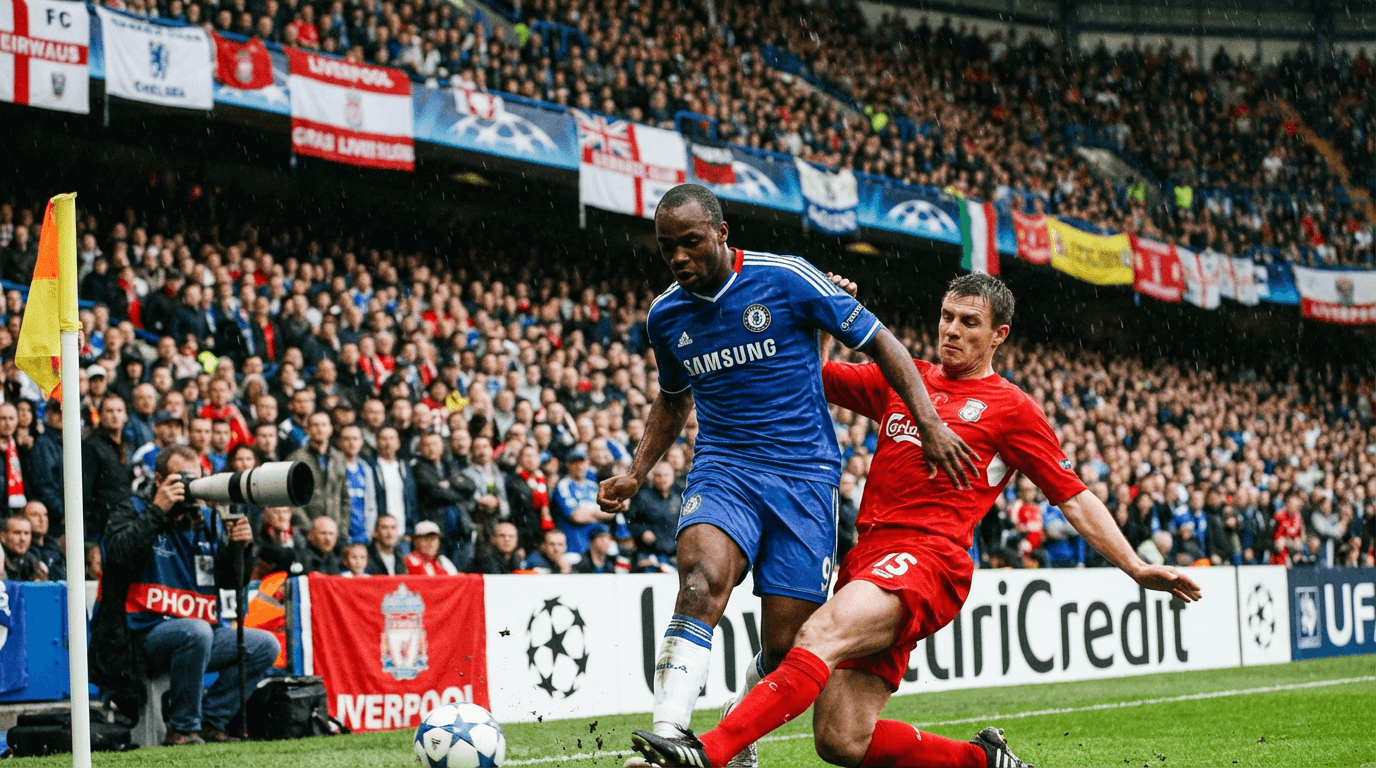
Choosing between double chance and a handicap is one of the small but crucial decisions a bettor makes before kick-off. Both tools change how the game’s uncertainty maps to your bankroll, and picking the right one at the right time can mean the difference between preserving cash and finding real value.
How double chance works in practice
Double chance bets let you cover two of the three possible match outcomes with one stake: home win or draw (1X), away win or draw (X2), or either team to win (12). Because you’re reducing possible losing outcomes, the price you pay is lower odds than a single-match result bet.
That lower volatility is the attraction: you accept reduced upside in exchange for a higher probability of at least a partial “win.” Bookmakers price double chance by folding the implied probabilities of the two covered outcomes into one price, so the edge you need to find value is different than when backing a single outcome or a handicap.
What a handicap does and why it matters
Handicap betting aims to level teams by adding or subtracting goals on the scoreboard for betting purposes. European handicaps use whole goals (e.g., -1), while Asian handicaps introduce halves and quarters to eliminate draws or split stakes (e.g., -0.5, +1.25).
Because handicaps shift the effective result you need, they’re a way to find value where the market either overvalues favorites or underestimates expected goal differences. A handicap can offer a larger payout than double chance, but it introduces a higher reliance on margin-of-victory rather than just the winner.
Risk and reward: side-by-side
Compare the two visually: double chance reduces your exposure to losing (you’re safe if either of two outcomes happens), while a handicap changes the condition for winning (you need a specific margin). The former is about survival, the latter about accuracy.
Here’s a simplified example for a typical match where the straight odds are Home 1.60, Draw 3.80, Away 5.00. A bookmaker might price the double chance 1X at about 1.20 and X2 at about 2.05. A -1 handicap on the favorite could be priced near 2.40. Which is “better” depends on your expectation for the probability of a draw and for the margin of victory.
| Bet | When it wins | Typical payout (example) |
|---|---|---|
| Double chance 1X | Home win or draw | 1.20 |
| Double chance X2 | Away win or draw | 2.05 |
| Handicap -1 (favorite) | Favorite wins by 2+ goals | 2.40 |
When double chance is the smarter play
Double chance shines when draw probability is higher than the market implies or when you want to protect a stake against a low-risk outcome like a draw. Think compact fixtures: bad weather, midweek fatigue, defensive setups where both teams prefer not to gamble.
Use double chance when the favorite is limited in scoring but hard to beat. If you expect the favorite to dominate possession without breaking through, the 1X protects you against a low-scoring stalemate while still capturing the favorite’s likelihood to avoid defeat.
Double chance also performs well in markets with poor liquidity or wide spreads. If Asian handicaps aren’t competitively priced at your book or the handicap line looks jagged, double chance gives you a clean, easy hedge without worrying about quarter-goal pushes or voided stakes.
- High draw probability fixtures (derbies, tactical matchups)
- When recent form shows a team avoids losses but lacks attacking firepower
- When you want lower variance for bankroll protection
- When handicap markets are thin or poorly priced
I’ve used double chance several times on away sides in domestic cups when a road team set up very defensively. One match I watched ended 0-0 despite the away team being a heavy underdog on paper; a X2 double chance at fair odds preserved the stake while a -1 handicap would have been impossible to win.
When a handicap typically outperforms
Handicaps are superior when you have conviction about scoring margins. If the favorite is both dominant in expected goals and facing a weak defense, a negative handicap can amplify value compared to the compressed returns of double chance.
Asian handicaps are especially useful because they remove the draw as a factor or split the stake across two lines, improving expected value when you can estimate goal margins and probability distributions more precisely than the market.
Use handicaps when match conditions favor an outright win by a margin: injuries to the underdog, heavy lineup mismatches, or objective statistical evidence (expected goals, shot volume) that the market underestimates.
Practical staking and line-shopping tips
Always compare prices across multiple bookmakers and the exchange. The same double chance price can vary a lot, and small improvements matter because double chance sacrifices upside for probability—getting 1.25 vs 1.20 changes your expected value materially.
Manage stake size relative to confidence. If you’re buying draw protection (double chance) based on a hunch, keep stakes conservative. When you use handicap because your model predicts a margin of victory, you can justify a larger stake—if your edge is real.
Consider combining tools: sometimes a smaller double chance bet plus a more aggressive handicap on a smaller stake reflects a balanced risk approach. That allows you to protect capital while still seeking extra payoff when your read is right.
Case study: low-scoring derby
A local derby between two defensively organized teams offers a practical illustration. The market gives the home side short odds to win but also shows a high draw price. My assessment—based on both teams’ defensive records and recent low expected-goal totals—favored a draw-heavy outcome.
Rather than take an -1 handicap on the favorite at thin odds, I backed 1X double chance at a fair price. The game finished 1-1 and the double chance returned while a handicap would have either lost or pushed. The decision traded a smaller payout for greater certainty and matched my read of the fixture.
Case study: overwhelming favorite with supportive data
Contrast that with a fixture where the favorite averaged 2.5 expected goals per match and faced a team conceding plenty of big chances. Here, the market underpriced the favorite’s expected margin. Laying -1 Asian handicap made sense because I expected the favorite to win by multiple goals.
That bet required conviction and model alignment. It paid off when the favorite produced a 3-0 win. Double chance would have limited profit despite being safer; the handicap captured value because the predicted margin happened to materialize.
How to decide, step by step
Start by estimating three probabilities: home win, draw, away win. Then estimate the probability the favorite wins by a given margin (for handicaps). Compare those estimates against the bookmaker’s implied probabilities for double chance and relevant handicaps.
If the implied probability for a double chance is lower than your estimated probability, it’s a candidate. If the handicap’s price offers larger expected value because your margin prediction exceeds the market’s, favor the handicap. Where both show modest edges, prefer the lower-variance double chance.
Use these rules consistently, avoid emotional chasing, and accept smaller wins when your read doesn’t justify chasing outsized returns. That disciplined approach makes your betting a process rather than a roll of the dice.
Further reading and expert resources used: