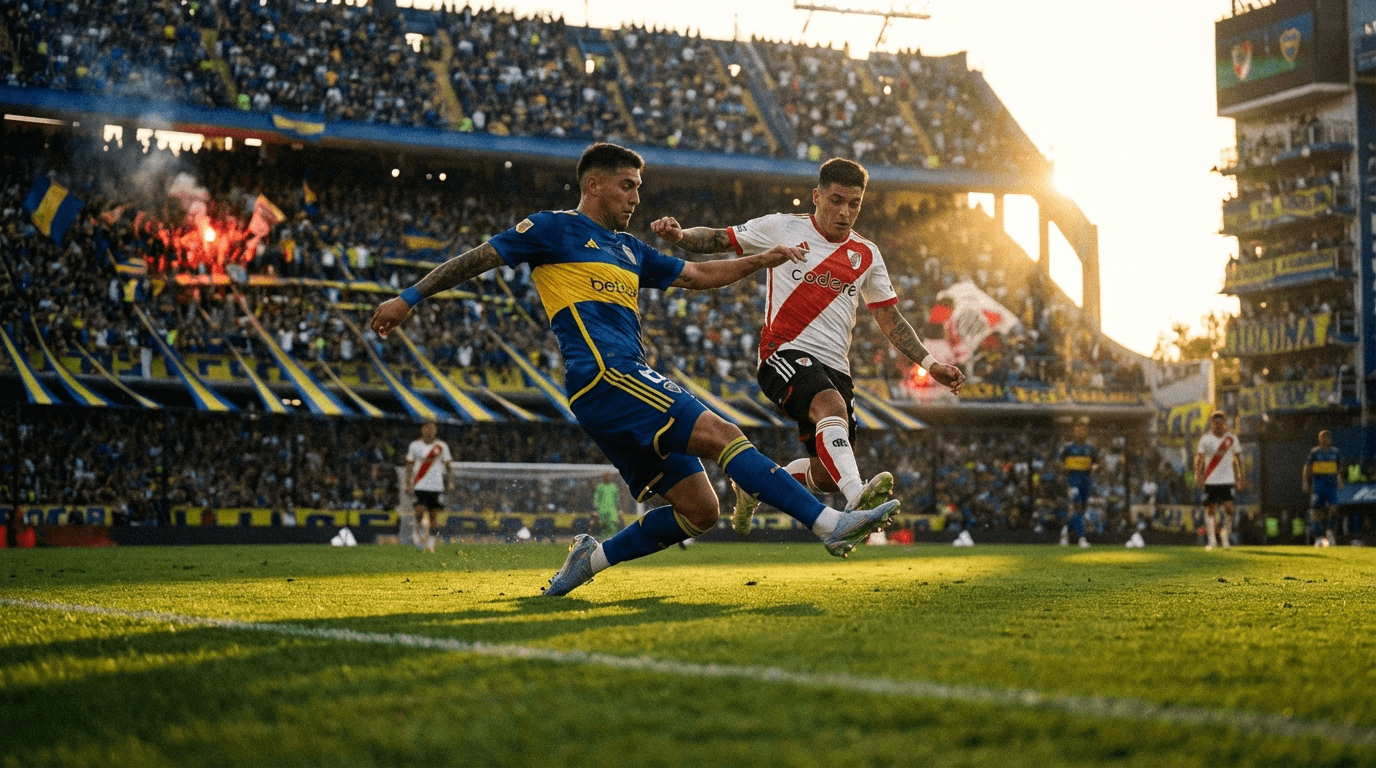
Watching a team push forward when the scoreboard reads against them is a special kind of drama — one that can turn a casual viewer into a bettor hunting value in-play. This article lays out how to recognize genuine comeback potential, which live signals matter, and how to size and hedge bets to protect your bankroll while chasing the upside of a late turnaround.
Why comebacks happen: the anatomy of a pressured team
Not all teams that “press” while losing are genuinely close to overturning the score. Some increase possession without creating real danger; others win second balls, force turnovers in dangerous areas, and reshape the expected-goals picture. Understanding the difference between cosmetic pressure and meaningful chance creation is the first step toward an actionable in-play approach.
Meaningful comeback pressure often shows in the numbers: growing shot volume in the box, an uptick in expected goals (xG) on a per-minute basis, higher successful pressing events in the attacking third, and frequent corners or dangerous crosses. Those metrics track whether pressure is producing chances or merely recycling the ball around the perimeter.
Pre-match preparation: set the stage before the whistle
Effective in-play betting begins long before the match. Study team styles — who sits deep and who plays on the front foot — and look at recent form when trailing. Teams that consistently recover from deficits or that have high numbers for expected points gained when behind deserve extra attention because their in-game behavior is repeatable, not fluky.
Check the bench and fitness reports. A team with attacking substitutes or a manager known for tactical tweaks is more likely to change the game’s momentum. Home advantage matters too: teams playing in front of an engaged crowd tend to press harder and sustain intensity late in matches, which can skew live odds in your favor if you spot it early.
Live signals that indicate a real comeback is brewing
When the match is underway, watch for signals that translate into scoring probability rather than just possession statistics. Important indicators include growing xG for the trailing side, multiple shots on target in short succession, crosses into the box that force defensive reshuffles, and blocked shots from central areas. Those are the moments when oddsmakers begin to adjust and value appears.
Also pay attention to game context: a red card to the leading team, a tactical substitution that introduces a pacey winger or a creative midfielder, or signs of fatigue from the opponent. These live events change the underlying model of the match much more dramatically than a single long-range shot that sails wide.
Quick reference: signals and betting implications
| Signal | What it suggests | Typical betting move |
|---|---|---|
| Consecutive shots in box | High short-term xG spike | Back the trailing team to score or a price on total goals |
| Attacking substitution | Manager shifting to win (higher upside) | Small to medium stake on comeback or team to score next |
| Opposition red card | Clear tactical advantage | Increase stake size or lay the favorite on exchanges |
| Stagnant possession + no shots | Cosmetic pressure | Avoid backing comeback; consider live cash-out |
How to size stakes and manage risk in-play
Live markets move quickly and emotion drives bad decisions. Fix stake sizes before the match depending on bankroll and the confidence you place in your pre-match read and in-play signals. A simple approach is to divide a live bankroll into small tranches and allocate a maximum percentage to any single in-play opportunity to avoid catastrophic loss from one incorrect read.
If you use mathematical sizing, the Kelly criterion can help identify an optimal stake when you have an edge, but it requires a reliable estimate of probability — a tall ask in volatile in-play moments. Instead, many successful in-play bettors use a fractional Kelly or a flat-percentage model and adjust stakes upward only when several strong signals align.
Hedging, cash-outs, and exchange strategies
Hedging is where in-play betting becomes more art than science. When a trailing team reaches a price that implies a reasonable chance to equalize, consider whether locking partial profits or placing a counter bet on the leading team makes sense. On exchanges, laying a favorite when momentum flips can offer higher value than backing the underdog on a traditional book.
Be cautious with cash-outs. They provide certainty but often come at poor value relative to the true probability. Use cash-outs when an in-play development materially changes the expected outcome — for example, a sending-off that flips the win probability — and not simply because the market jitters or you feel nervous about a single missed opportunity.
Practical tactics: markets and bet types that fit comebacks
Some markets are better suited to comeback strategies than straight 1X2 bets. Consider “team to score next,” “both teams to score,” handicap lines, and total goals markets where a single late goal creates large shifts in value. Asian handicaps, in particular, can offer partial pushes that protect your stake while allowing upside if the comeback succeeds.
Also test the “next goal” and “goal in next X minutes” markets when clear pressure accumulates. These shorter-term markets react faster to in-game events and can be exploited if your timing and interpretation of live signals is sharp. Always account for the house edge and commission on exchanges when calculating potential returns.
Common mistakes and psychological traps
Chasing losses is the most common error. When a team that looks like a comeback candidate fails to convert, bettors often double-down, convinced the next chance will arrive — and bankrolls evaporate. Set loss limits for each match and for in-play sequences to avoid emotional overcommitment.
Confirmation bias also creeps in: once you decide a comeback is coming, you begin to notice every positive sign and ignore the negatives. Keep a checklist of objective signals and require multiple independent indicators before increasing stake size; treat your own hunches as secondary evidence rather than primary justification.
Real-life examples and author notes
One vivid illustration is Liverpool’s 4–0 second-leg against Barcelona in 2019. That comeback combined tactical substitutions, relentless crossing into the box, and a swing in attacking xG that betting markets only gradually respected. Bettors who watched the pattern of chances rather than the scoreboard found value as odds shifted.
Speaking from experience, I’ve taken small, staggered positions on teams showing sustained pressure, then hedged partially when the market tightened. I once backed a mid-table side down a goal at long odds after ten minutes of sustained in-box pressure; I hedged into a smaller guaranteed profit once the odds compressed, avoiding the disappointment of a late missed sitter and preserving bankroll for the next opportunity.
Putting it together: a practical checklist for live comeback betting
Before committing money, run through a quick checklist: Is the pressure producing central shots or just wide efforts? Has the opponent shown fatigue or tactical vulnerability? Are there tactical changes or a red card? Does the venue favor a late push? If three or more answers point toward conversion, the live market may be offering value.
Trade conservatively, size bets for recovery not ruin, and document every decision. Over time, a log of signals and outcomes sharpens judgment far faster than luck. That record will reveal which indicators are predictive in the markets you use and which are merely noise.
Betting on comebacks is part pattern recognition, part bankroll discipline, and part humility. When you combine careful pre-match study with disciplined in-play reads and a plan for hedges and limits, you tilt the odds back toward you without mistaking excitement for edge. Treat each opportunity like a small investment and let repeated, reasoned decisions compound into sustainable gains.