Betting on a first-half draw is a niche that rewards patience, research, and disciplined sizing. It’s not as glamorous as predicting last-minute winners, but when you learn to read match tempo, team motives, and market behavior, the halftime market becomes a reliable corner of the bookmaker landscape. This article walks through the patterns, practical checks, and money management rules that tilt the odds in your favor without turning betting into a guessing game.
Why a halftime draw is worth attention
Many bettors focus on full-time outcomes, goalscorers, and accumulators, leaving the halftime market comparatively inefficient. Bookmakers price in overall match uncertainty and often underreact to stable early-game indicators, which creates moments of value for careful traders. A first-half draw bet is attractive because it isolates the opening 45 minutes; you’re betting on short-term dynamics rather than the many variables that unfold over a whole game.
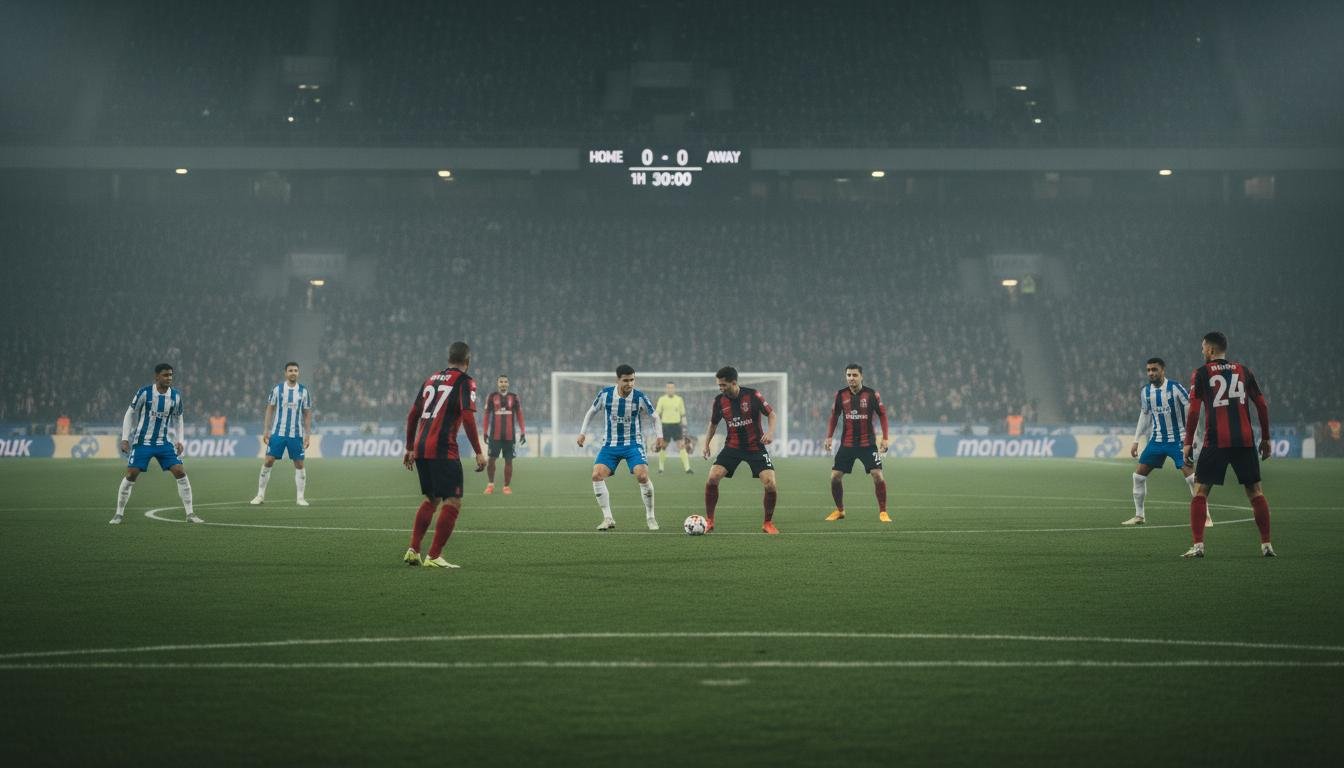
Halftime draws are particularly frequent in leagues and fixtures where teams start cautiously, where tactical parity exists, or where underperformance in attack is common. Recognizing these contexts is key: you don’t need to predict every nuance of a match, just the likelihood that neither side will score or that they’ll cancel each other out early. That simplicity helps you standardize a process and compare opportunities across fixtures.
Patterns and match contexts that favor an HT draw
Look for matches where both sides are tactically compact or where managers prioritize avoiding an early goal — relegation scraps, midweek cup ties with rotated squads, or tactical battles in leagues like Serie A historically. Teams that press high but lack quality in the final third can create low-goal first halves: lots of midfield battles and few clear chances. Conversely, if both teams are known for slow starts or conservative opening tactics, that’s another green flag.
Other contextual clues include pitch conditions, midweek fatigue, and tactical rotations. Weather and poor surfaces can slow gameplay and reduce clear chances, especially in leagues with smaller squads where rotation is common. Pay attention to announced lineups: if a team rests its main striker or plays an inexperienced front three, their first-half attacking threat diminishes and the probability of a draw at the interval rises.
Key statistics to track before placing a bet
Focus on first-half-specific metrics rather than overall season numbers. Useful indicators include first-half goals per game, percentage of matches with a halftime draw, expected goals (xG) generated in the first 45 minutes, and the average time to first shot on target. These metrics reveal whether a team typically creates early chances or leans into late pressure.
Head-to-head tendencies and recent form matter too: if two teams routinely have tight opening halves against comparable opposition, that pattern is meaningful. Also watch substitution patterns — managers who are reluctant to make early tactical changes tend to have more predictable first halves, which benefits bettors who model those outcomes. Reliable sources for these stats include FBref, WhoScored, and advanced providers like StatsBomb.
Interpreting odds and finding value
Value hunting means comparing your estimated probability with the implied probability in the bookmaker’s odds. If your research suggests a 50% chance of a halftime draw but the market implies 40%, that’s a potential angle. Odds move for many reasons, including public money, team news, and cross-market hedging; understanding why a line moves helps you decide whether the move reflects new information or overreaction.
Line shopping is essential: different sportsbooks will price the halftime draw differently, and small differences compound over many bets. Use at least two or three reputable bookmakers and consider smaller exchanges to capture the best price. For bettors who like live play, watching how the odds shift in-play in the opening 10–20 minutes can reveal whether the market has adjusted to the match flow correctly or left value on the table.
Bet sizing and bankroll rules
Conservative staking is the friend of the first-half draw strategy because variance can be high even when your edge is real. A flat-betting approach — risking a fixed percentage of your bankroll per selection — prevents one run of losses from derailing your plan. Many disciplined bettors allocate 1–2% of their bankroll to each bet, but adjust that depending on your confidence and historical hit rate.
If you prefer a mathematically optimal approach, the Kelly criterion offers a framework to size stakes according to edge and odds, though it can produce volatile stakes and often needs to be fractionalized. Regardless of method, record every bet and track performance by league, team, and time window so you can refine which contexts produce consistent value. The goal is to survive stretches and compound gains over the long term rather than chase a single big win.
Pre-match checklist: what to verify before placing a wager
Before you click place, run a quick but disciplined checklist. Confirm starting lineups and late changes, scan the weather and pitch reports, check the referee (some refs consistently allow more first-half stoppages), and cross-check injury or tactical news. For live bets, add real-time measures: early possession, first meaningful chance, and whether either team is visibly hesitant to press forward.
| Step | Action |
|---|---|
| Lineups | Verify starters 30–60 minutes before kickoff |
| Context | Assess fatigue, motivation, and weather |
| Stats | Check first-half xG, HT draw rate, and H2H trends |
In-play nuances: when halftime markets become most interesting
Live betting opens opportunities when the game starts slower or the opening 10–20 minutes contradict pre-match signals. If your pre-match model favored a halftime draw but one team dominates early possession without quality shots, the market may shorten too quickly, creating an in-play value window. Conversely, if either side creates clear, high-xG chances early, odds will lengthen appropriately and you should fold.
Watch how teams react to pressure and whether coaches make proactive substitutions before halftime. Some managers are willing to alter tactics at the break only after conceding; others change immediately. Recognizing managerial tendencies helps you decide whether a live hedge (e.g., a small in-play lay) or full cash-out aligns with your risk tolerance.
Common pitfalls and how to avoid them
Emotional betting and chasing losses are the fastest ways to erode a carefully built edge. Avoid increasing stakes after a losing run unless your model clearly indicates a stronger edge on the next opportunity. Also don’t ignore small factors like late squad rotations or a single key player returning from injury — these can flip a first-half dynamic quickly.
Another frequent mistake is overfitting to small samples: don’t overreact to one-off results or a short streak of games. Instead, aggregate performance across an appropriately sized sample for the specific metric you’re tracking. If your data is limited, be honest about the confidence of your call and reduce stake size accordingly.
Personal experience and a simple routine
In my own betting, I started small and focused on two leagues where I could monitor matches closely. I built a short routine: scan overnight lineups, check first-half xG and HT draw percentages, and set a maximum stake based on bankroll percentage. That discipline turned a soft edge into a steady contributor to the portfolio because I treated first-half draws as a distinct product with repeatable signals.
One practical habit that helped was journaling live market behavior: noting how odds reacted to early possession and which referees influenced the halftime tempo. Over months, those notes taught me that certain matchups routinely produced quiet first halves and that other factors — like early turnovers — frequently signaled danger for the bet. Small, consistent observations matter more than intuition alone.
Betting markets are never static, and the halftime draw market rewards a systematic approach more than bravado. With the right checks, yardsticks, and money management, you can identify situations where the market misprices the opening 45 minutes and extract consistent value. Keep refining your checklist, respect variance, and let small edges compound through disciplined staking.
Sources and further reading
- FBref — detailed match and half-time statistics
- StatsBomb — advanced analytics and first-half xG insights
- FiveThirtyEight — soccer SPI and model-based forecasts
- WhoScored — player and team statistics, including half splits
- Pinnacle — articles on finding value and market behavior
- Investopedia — the Kelly criterion explained