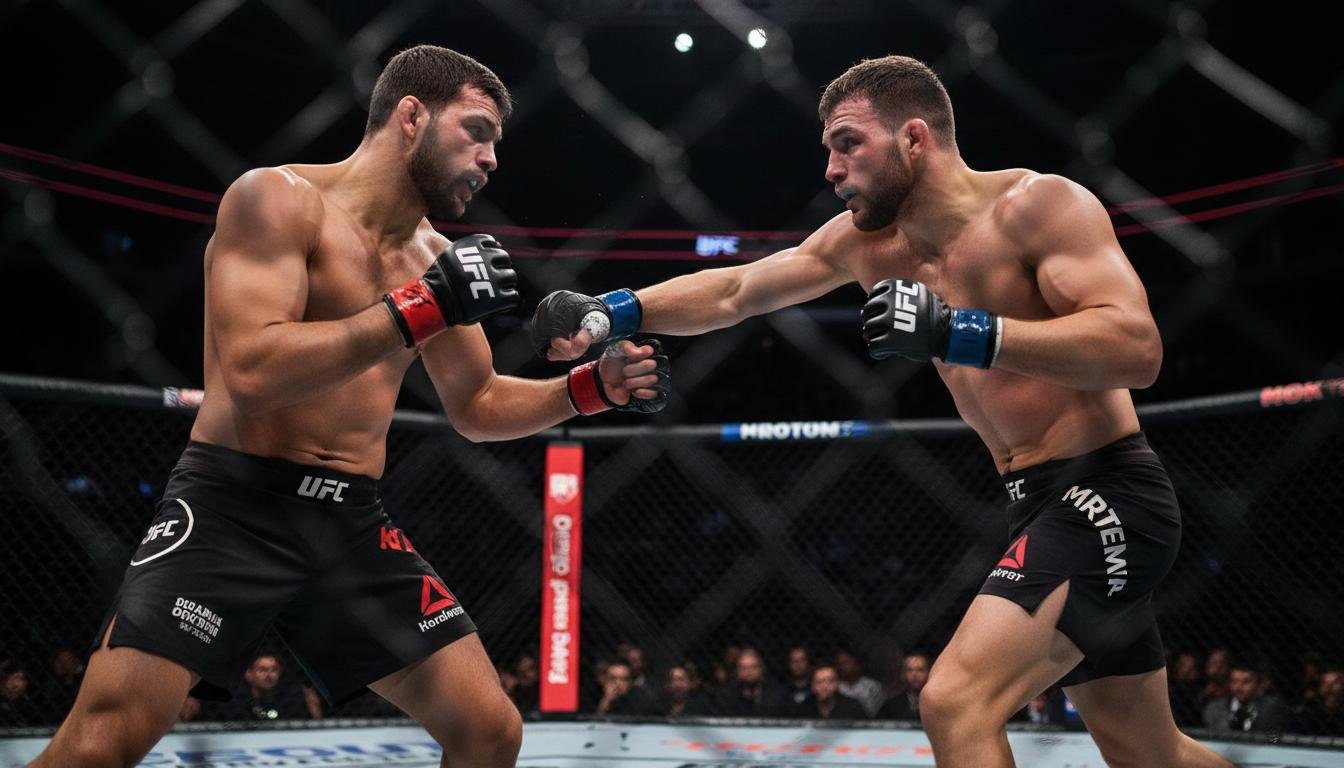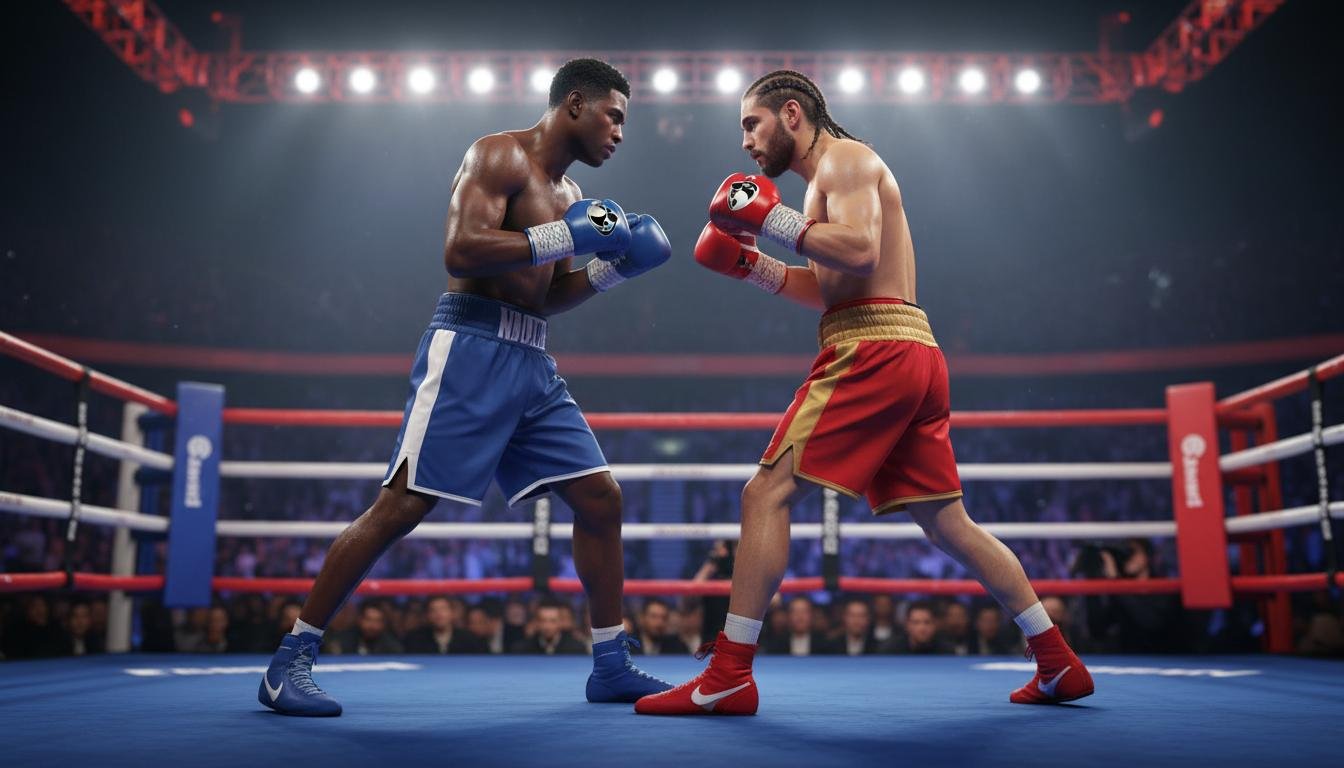
Stance isn’t the only factor that decides a fight, but it’s one of the few technical edges that can swing odds and create value for a disciplined bettor. When a southpaw meets an orthodox fighter the geometry of the ring changes: angles open, jabs lose and gain importance, and small positional details become exploitable. This article walks through why stance matters, how to read those advantages before and during a fight, and how to translate that reading into a repeatable betting strategy.
Why stance matters: the mechanics behind the numbers
At its core, boxing is a sport of angles. An orthodox fighter (left foot forward) and a southpaw (right foot forward) line up their power hands on opposite sides, which changes where each fighter’s strongest punches will come from and what defensive habits they must adopt. Foot placement, lead-hand timing, and the ability to step outside an opponent’s strong side are simple-sounding elements with complex consequences in action.
Rarity compounds the mechanical difference. Most fighters train predominantly against orthodox opponents. When a southpaw appears, the orthodox fighter often has fewer rehearsed patterns for the mirror-image dynamics they must face. That unfamiliarity can show up in timing errors, poor lead-foot positioning, or overcommitment to the jab—issues that smart opponents and savvy bettors can exploit.
Lead foot and the outside angle
One of the clearest tactical battlegrounds is the battle for the lead foot. Whoever secures the outside foot gains a superior angle for the straight power hand and can limit the opponent’s line for their own power shots. This foot war is constant and subtle: a few inches shift the striking lanes, creating openings or closing them.
For bettors, watching how fighters engage that foot battle early—who pushes the positioning and who yields—gives a reliable signal. A southpaw who consistently gets the outside foot against a mid-level orthodox opponent often starts winning rounds on geometry alone, even without landing a flurry of highlight punches.
Jab, straight, and counters
The jab changes role in opposite-stance matchups. The orthodox jab must clear the southpaw’s lead hand more often, while the southpaw’s jab can line up on an angle that feeds the straight power shot. Similarly, counters—particularly the straight rear hand—find clearer lanes when lead feet and head positioning favor them.
These technical effects explain why some southpaws enjoy statistical edges in landing straight lefts, and why switch-hitters who can feign a stance change present a unique headache for sportsbooks. The nuance is important: stance effects interact with style. A patient, technical southpaw is different betting value than a wild southpaw who leaves holes swinging.
How to convert stance observation into pre-fight bets
Not every stance mismatch is worth a wager. The profitable bets are the ones where stance provides an edge that the market underestimates. That usually happens in three scenarios: one fighter has limited experience versus the opposite stance, one fighter’s record shows clear divergence in outcomes by opponent stance, or the stylistic matchup magnifies stance effects (e.g., a slow-footed orthodox brawler vs. a mobile southpaw counterpuncher).
Start by checking fight histories. Look for how often a fighter has faced southpaws or orthodox opponents and whether performance shifted. Then layer in film study: did the fighter struggle with lead-foot control? Did their trainer make tactical adjustments that solved the problem in later rounds? If the publicly available market price ignores these patterns, value may exist.
Markets to favor
When stance is a discernible edge, certain markets are more exploitable. Moneyline (match winner) bets are the most straightforward; they’re appropriate when stance strongly alters expected round-by-round control. Prop markets—round totals, method of victory, or round betting—offer better odds and can be ideal when you predict a technical decision or a late stoppage caused by accumulation of angle-based damage.
Also consider opening lines and early market movement. Markets often react slowly to nuanced technical narratives; opening lines may underprice a stance advantage before knowledgeable bettors jump in. If you track line movement across books, you’ll spot when smart money sharpens the price and can decide whether you still have an edge.
Live betting: watching the first rounds for decisive signals
Live betting is where stance-read advantages often reveal themselves. The first two rounds are diagnostic: they show whether the orthodox fighter can neutralize the southpaw’s angles, whether the southpaw is forcing the lead-foot battle, and how each fighter’s timing responds under pressure. These early rounds are short, information-rich windows for in-play bettors.
If the southpaw consistently lands the straight rear hand and controls outside positioning, their odds should shorten. Conversely, if the orthodox fighter negates the southpaw with feints, tight guard, and superior jab timing, the live market will reflect that—and an early live bet against the southpaw could be profitable. Key indicators are not just punches landed but repeated successful positional adjustments and ring generalship.
Practical in-fight cues to watch
- Lead foot placement: is one fighter consistently outside the other?
- Clean straight rear-hand connections: do they land without being countered?
- Jab effectiveness: does the jab disrupt rhythm or merely trade ineffectually?
- Adjustments by corner: are trainers changing tactics successfully between rounds?
Each cue shifts the expected trajectory of the fight. A patient bettor who waits for two evidence-rich rounds and then acts often finds better edges than someone betting solely on pre-fight hunches.
Building a simple stance-aware betting system
A repeatable system helps you avoid emotional decisions. Here’s a practical framework: first, pre-fight screen for sample size—exclude fighters with fewer than three meaningful bouts against the opposite stance. Second, rate each fighter on a three-point scale for footwork, jab efficiency, and adaptability based on film. Third, combine these qualitative ratings with public odds to estimate implied probability.
When your model yields a probability at least 5–10% higher than the sportsbook’s implied probability, place a small, quantified stake. Size bets using a fixed-percentage bankroll rule or a conservative Kelly fraction to protect against variance. Over time, this disciplined approach isolates stance-related value without overexposing you to single-fight unpredictability.
Sample betting checklist
- Has either fighter mainly faced opponents of the same stance? (If yes, caution.)
- Does the challenger’s amateur background include many opposite-stance bouts?
- Does film show repeated foot-placement success or failure?
- Are corner adjustments likely to neutralize the stance advantage (trainer reputation matters)?
- Do sportsbooks offer favorable props (round or method bets) that reflect your scenario?
Keep bets small and consistent. Stance is a real edge, but not an infallible predictor; discipline converts it into a sustainable advantage.
Common pitfalls and how to avoid them
A big mistake bettors make is overvaluing stance in isolation. Skill, experience, cardio, chin, and reach still dominate outcomes. A technically superior orthodox fighter will usually beat a technically limited southpaw despite theoretical angle disadvantages. Stance is a multiplier, not a primary determinant.
Another trap is small-sample paranoia. A fighter who lost once to a southpaw doesn’t automatically become vulnerable; investigate whether that loss was due to stylistic mismatch, a catastrophic mistake, or an outlier event like a body shot stoppage. You want pattern, not a single data point.
Mind the market psychology
Public bettors often like labels—“southpaw” can become a narrative that moves casual money. Sharps will exploit overreaction. Use sentiment as a tool: if the public inflates a price because a southpaw’s name is unfamiliar, a disciplined contrarian position may pay off after your technical analysis confirms the bias.
Conversely, don’t join a contrarian bet just to be different. Validate contrarian plays with film and concrete positional evidence. Betting against public sentiment without a reason is not strategy; it’s speculation.
Quick reference: stance matchup tendencies
| Matchup | Typical advantage | Betting implication |
|---|---|---|
| Orthodox vs. Southpaw | Southpaw often gets outside angle; orthodox accustomed to same-stance opponents | Look for early live value on southpaw if foot-positioning is controlled; otherwise favor orthodox if jab nullifies angles |
| Switch-hitter vs. fixed stance | Switch-hitter can create confusion and change angles mid-fight | Bet cautiously pre-fight; live betting after a successful initial stance change offers value |
| Southpaw vs. Southpaw | No stance advantage; battle returns to standard skill metrics | Ignore stance; focus on experience, punch output, and defense |
Real-life examples and personal notes
Watching a live card years ago taught me the value of patience. I sat on a small pre-fight favorite because the southpaw challenger was priced down despite clear amateur pedigree against orthodox foes. After two rounds of dominating foot placement and straight-left counters, the line moved heavily in my favor and a modest stake turned into a comfortable payout. The lesson: early film and amateur history can expose slow-moving market prices.
High-profile examples also illustrate the point. Fighters like Manny Pacquiao and Vasiliy Lomachenko used southpaw geometry to great effect, but they paired stance with elite skill. Conversely, a technically limited southpaw can be shut down by disciplined footwork and a stiff jab from an orthodox vet. That contrast underscores a central theme: stance amplifies, it rarely compensates for deficits.
Final considerations before you place the bet
Combine stance analysis with traditional handicapping—recent form, power, chin, cardio, and training camp reports. Use multiple sportsbooks to shop for the best line, and size bets according to a tested stake plan. When the stance story and the film both point in the same direction, the market often offers the most reliable edges.
Follow the cues, trade patiently, and remember that a single correct stance read doesn’t make you invulnerable. Over time, disciplined application of these ideas—paired with strict bankroll management—turns stance awareness from a talking point into a practical tool for consistent, rational betting.
Sources and experts:
- CompuBox statistics and analysis https://compuboxonline.com
- BoxRec fighter records and bout histories https://boxrec.com
- ESPN boxing coverage and analysis (Mike Coppinger, ESPN Boxing) https://www.espn.com/boxing
- Teddy Atlas commentary and technical analysis (ESPN/TAA) https://teddyatlasnews.com
- The Ring magazine analysis and features https://www.ringtv.com
Full analysis of the information was conducted by experts from sports-analytics.pro