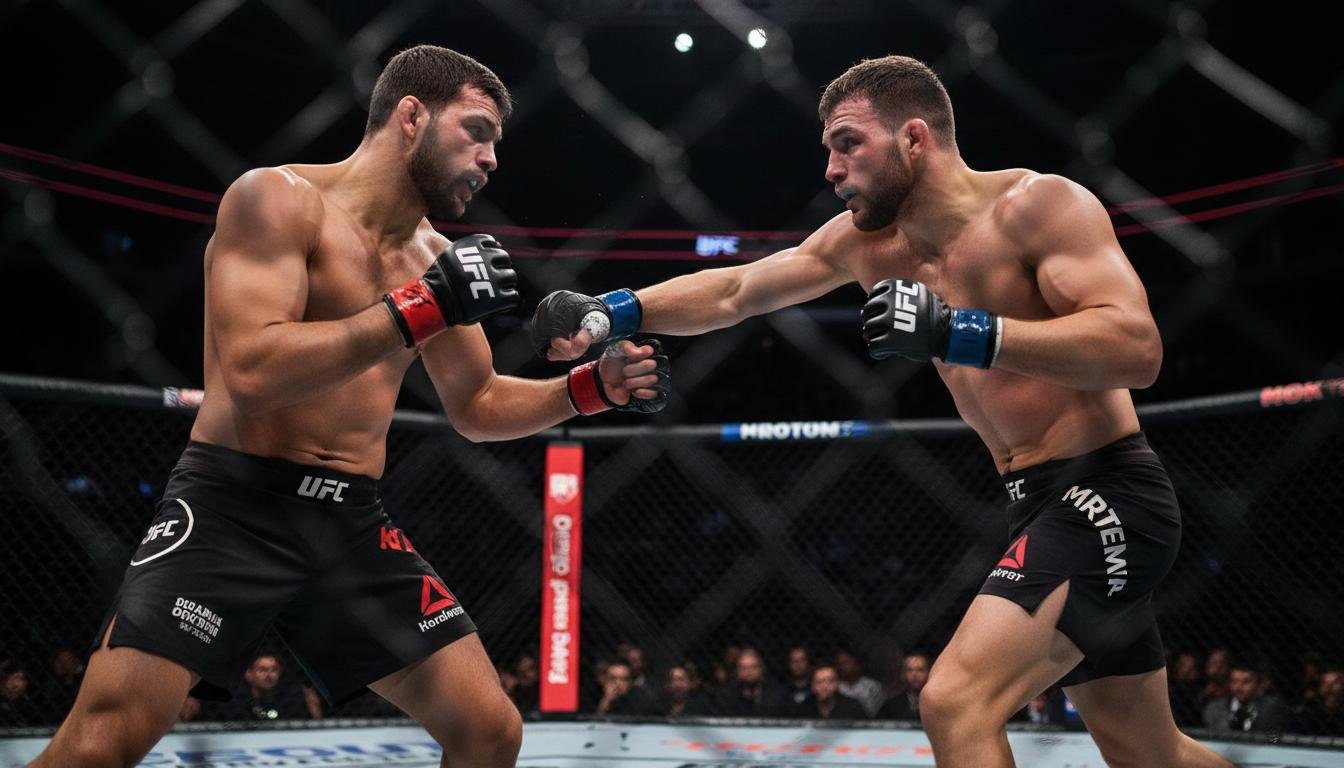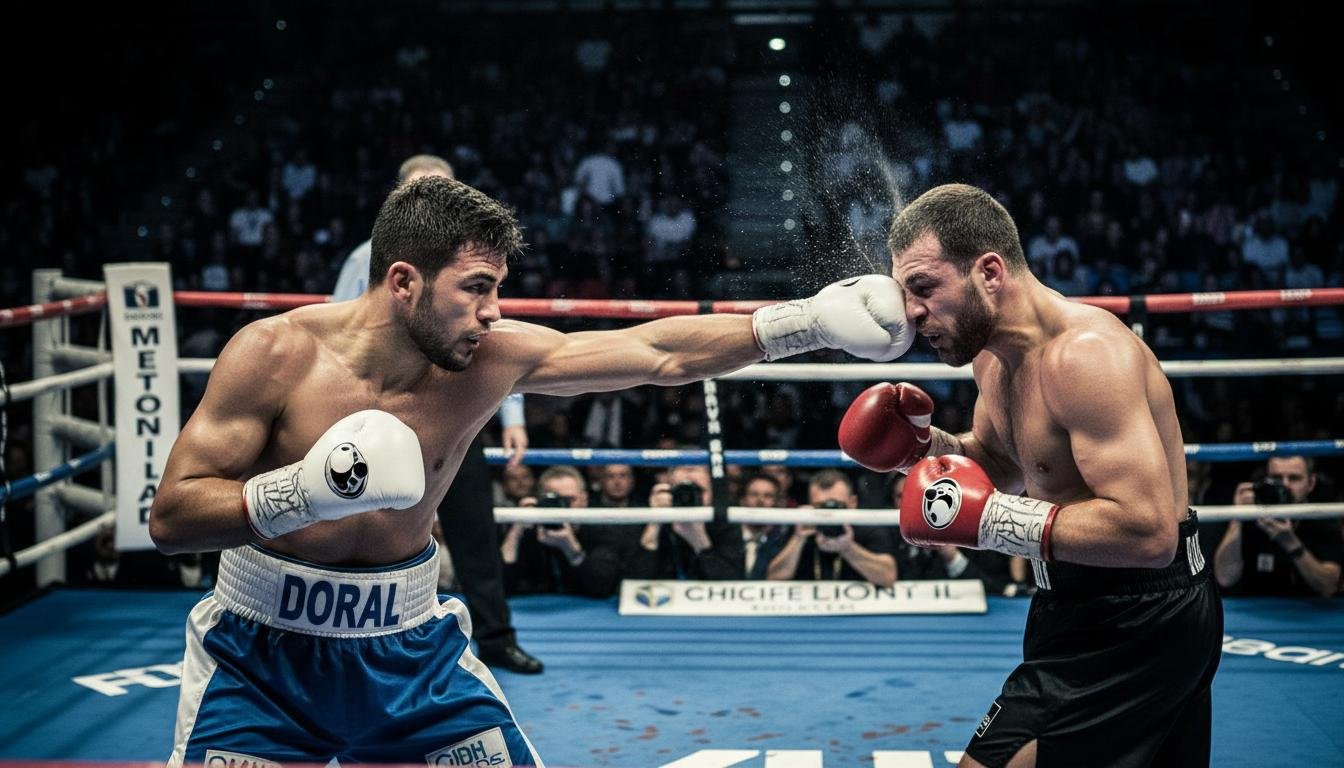
The jab is the most underrated instrument in a boxer’s toolkit, and when a fighter builds a game plan around it, the betting picture changes in ways many casual backers miss. This article walks through how to read styles, interpret statistics, and place smarter wagers when one corner plans to win with range, rhythm, and repeatable accuracy rather than one-punch knockouts. Expect tactical frameworks, in-play ideas, and a few real-world examples drawn from years of following the sport and testing strategies on smaller stakes.
Understanding the jab: mechanics and match impact
The jab does several jobs at once: it measures distance, disrupts timing, accumulates points, and sets up bigger punches. A fighter who commits to the jab usually accepts lower knockout odds but improves chances of out-landing an opponent over the course of rounds, which translates into decision victories when judges favor clean, consistent scoring.
Technically, an effective jab is about timing, footwork, and recovery as much as raw speed. A long-reach boxer who jabs well can control range and force their opponent to take risks to get inside, making for slower tempo but clearer round-by-round control—precisely the scenario bettors should interpret differently from a slugfest.
How jabs shape betting markets
Bookmakers price fights primarily around likely outcomes: knockout, decision, or stoppage by other means. When a fighter is visibly jab-oriented, markets tend to underprice decision outcomes relative to knockout outcomes because heavy hitters are more exciting to bettors and therefore skew lines. That discrepancy opens value for disciplined bettors who expect points victories.
Another market influenced by jab-heavy styles is round betting. A fighter who uses the jab to accumulate control often drifts into gradual dominance, making later-round decision value sensible. Conversely, early-round knockouts become less likely. Recognizing this pattern helps bettors shift bankroll toward longer-duration outcomes and reduce wagers on early stoppage props.
Why public perception matters
Casual fans and many recreational bettors favor highlight plays—big hooks, knockdowns, and flashy finishes. A steady jab doesn’t create those moments as often, so the public will sometimes over-bet the more exciting fighter even if the jabber is winning through accumulation. That public bias can make lines inefficient, a situation savvy bettors can exploit by backing the technically superior, less dramatic boxer at favorable odds.
That dynamic also means pre-fight odds can shift dramatically if a jabber is rated as a “boring” style. When those shifts occur, value often appears in moneyline and decision markets for the jab-oriented fighter since their path to victory is more probable than implied by the public’s appetite for fireworks.
Lines to target: rounds, decisions, props
The clearest places to look for value are decision markets, round totals, and select in-fight props that reflect control rather than violence. Decision markets (unanimous/split/majority) and full-time moneylines can favor a jab-heavy boxer whose record shows consistent rounds won even without high KO ratios. Betting on a boxer’s decision tends to be more reliable than predicting a method of victory when their style is accumulation-based.
Round totals and actives like “fight to go the distance” are natural complements. If a boxer’s jab typically neutralizes an opponent’s power or frustrates their rhythm, the probability of the fight going the distance increases. For underdog bettors, parlaying a jabber to win by decision and the fight going over a specified round threshold is often a sensible, higher-value approach.
Key metrics to study before you bet
Not all stats are created equal. Look beyond knockout percentage; hunt for metrics that capture control and accuracy. Compubox-style punch stats, when available, tell a clear story: jabs thrown per round, jabs landed per round, and jab connect percentage highlight fighters who use structure and repeatability to win rounds rather than explosive finishing power.
Reach and height differentials matter too. A fighter with a reach advantage who also posts high jab output is likely to dictate range. Conversely, if a jabber lacks footwork to maintain distance against a pressure fighter, their jab becomes easier to neutralize and the decision edge evaporates. Watch recent trends in a fighter’s last five opponents for a sense of form, not just career averages.
| Factor | Why it matters |
|---|---|
| Jabs landed per round | Shows ability to score consistently and control rounds |
| Reach differential | Indicates capacity to maintain distance and make the jab effective |
| Opponent style (pressure vs. counter) | Determines whether the jab can be exploited or neutralized |
| Recent activity | Ring rust or match sharpness affects timing-dependent jabs |
Strategy frameworks for bettors
Start every bet with a matchup checklist: styles, reach, recent punch stats, stamina expectations, and the venue. If the jabger ticks the boxes—higher jabs landed, reach advantage, fights recent opponents who failed to close distance—lean toward decision and distance-based wagers. If they lack durability or the opponent has proven cutting-off-the-ring success, downgrade that signal.
Another helpful framework is scenario mapping. Imagine three realistic fight paths: the jab-controlled points fight, the opponent breaks through and scores a mid-round stoppage, or an early accidental clash changes judging. Assign subjective probabilities to each path and only place money when the market odds misprice your highest-probability scenario. This reduces emotional betting and forces discipline.
Actionable bet types and when to use them
- Moneyline for decision favorite: Use when jab metrics and reach favor the fighter and knockout potential is low.
- Fight to go the distance: Use when both fighters throw a lot of jabs and neither pressures explosively.
- Round-over/under: Consider over longer totals if you expect the jabber to control tempo and grind out rounds.
- Live betting on rounds: Enter mid-fight if the jabber is winning early rounds—odds often widen for later rounds and decisions.
In-play betting tactics
In-play markets are where jab strategies show the most value if you can read the action quickly. If a jab-oriented fighter wins the first two rounds clearly, live moneyline/decision odds for them lengthen, and the in-play market can overreact, offering value you can back mid-fight. Conversely, if the jabber looks stilted and cannot keep distance by round three, live correction happens fast—be ready to exit.
Watch for subtle indicators like energy expenditure and round-to-round jab efficiency. A fighter who throws many jabs but lands fewer over a couple rounds may be tiring their arms trying to maintain control, which opens opportunities for an opponent to turn the tide. The quicker you spot those shifts, the better your in-play entries will be.
Case studies and real-world examples
I remember a regional card years ago where a lanky southpaw controlled a durable slugger with a ceaseless jab. Pre-fight, many backed the slugger because of past KOs, but round-by-round the jabber accumulated clean shots and won virtually every judge’s card. Betting the decision on the jabber at modest size returned value—an experience that taught me to prioritize fight narrative over headline stats.
At higher levels, many textbook examples exist where reach and jab accuracy turned the tide. Those fights often illustrate the same lesson: statistical dominance in jabs and mid-range control predicts decisions more reliably than headline KO numbers. Use these matches as templates when assessing upcoming fights, not as exact duplicates but as reference patterns.
Risk management and bankroll rules
Never overweight a single bout because you “feel” a fighter will jab their way to victory. Even the best analytic read can fail due to intangibles: cuts, head clashes, referee stoppages, or a fighter’s sudden tactical adjustments. Cap single-fight exposure—many professional bettors recommend 1–3% of bankroll per play depending on certainty.
Spread risk across correlated bets sensibly. For example, instead of laying a large wager on a decision, consider a smaller decision bet combined with a “fight goes the distance” hedge. That hedging reduces variance while still capturing the upside of a correctly read jab-centric matchup.
Bringing analytics and intuition together
Numbers tell you what happened and what usually happens; watching film tells you why. Combine quantitative signals—jab connect rates, reach advantage, recent opponent styles—with qualitative film study of movement and timing. That hybrid approach bridges cold stats and the human elements judges reward: ring generalship, effective aggression, and defense.
Over time, build a simple tracker for your own use: pre-fight metrics, the play made, and the result. Patterns emerge that you won’t see in a single matchup. That log becomes the real edge, refining when to favor a jab-dominant fighter and when to avoid the trap of surface-level appeal.
Where bettors often go wrong
Two common mistakes are relying solely on knockout percentage and ignoring opponent-specific vulnerabilities. High KO rates can be misleading if a boxer’s power came mostly from one style of opponent; likewise, some fighters consistently fail to cut off the ring, and no amount of jab output will save them against a mobile, countering opponent. Matchups matter more than raw numbers.
Another mistake is thinning your bankroll on live excitement. The emotional rush of a round that looks close can tempt you into chasing a result; instead, stick to pre-defined rules and recognize when the market’s movement is just volatility and not new information.
Sources
- https://compuboxonline.com
- https://boxrec.com
- https://www.pinnacle.com/en/betting-articles
- https://betting.betfair.com
- https://www.espn.com/boxing/
- https://www.ringtv.com
Full analysis of the information was conducted by experts from sports-analytics.pro