2010 was one of those seasons that felt transitional and electric at the same time, with established names and new voices making headlines across American soccer. From MLS regular-season form to a World Cup run that gripped the nation, the top teams that year shaped how fans thought about the sport in the United States. This article walks through the clubs and national sides that stood out in 2010, why they mattered, and how their stories fit into the bigger picture.
Major League Soccer: who set the pace
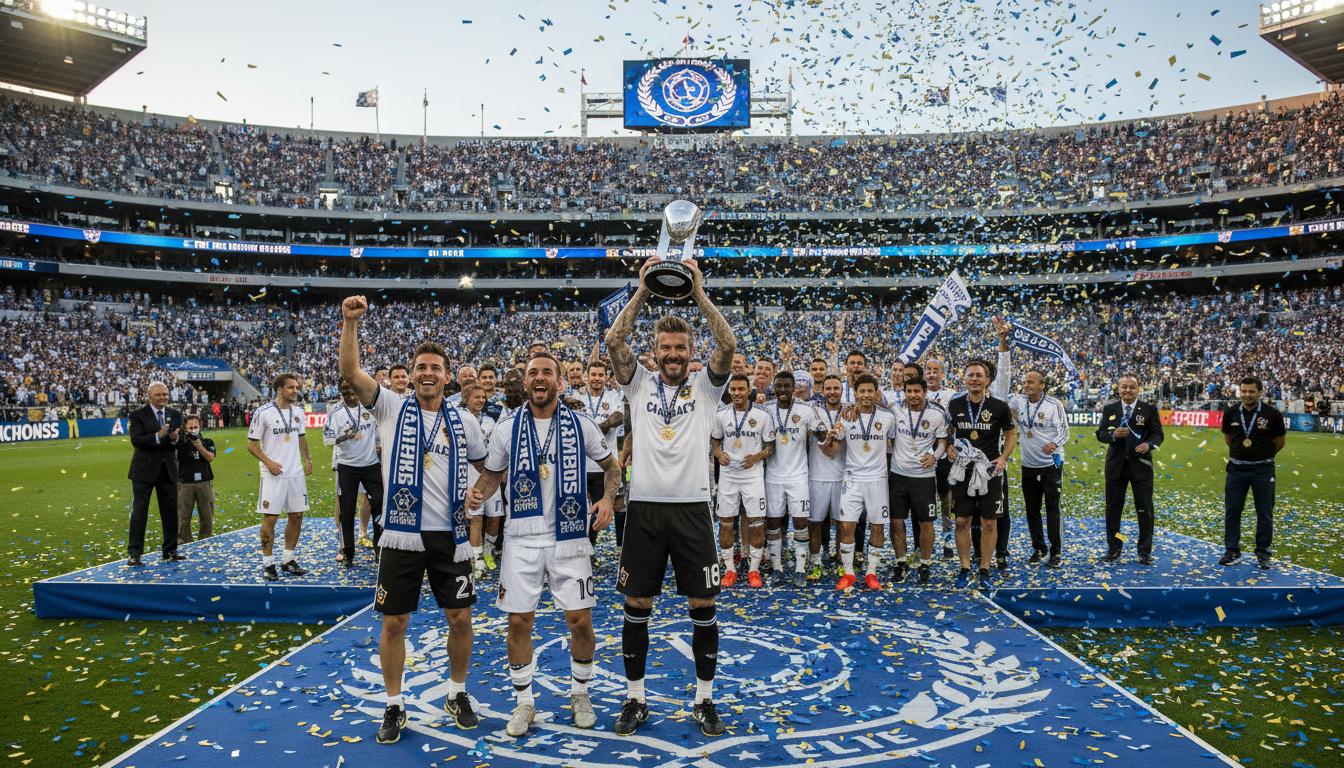
The regular season in 2010 rewarded consistency, tactical shifting, and a growing influx of international talent. The Los Angeles Galaxy finished atop the table, earning the Supporters’ Shield by combining star power with a solid spine; they were the team to beat over 34 matches.
But soccer is less forgiving in knockout formats. The Colorado Rapids arrived at the MLS Cup final with a compact system and defensive resolve that translated into their first MLS Cup title. Their victory reminded fans that regular-season dominance and playoff success are distinct challenges.
FC Dallas also deserves mention: they reached the final as a disciplined, cohesive unit and proved that clubs outside the usual power centers could challenge for titles. In short, MLS in 2010 was balanced enough that surprises felt earned, not accidental.
Supporters’ Shield and star arrivals
Los Angeles’ run to the Supporters’ Shield owed as much to structure as to names. David Beckham still drew attention in Los Angeles, but the team functioned through sound roster construction and timely contributions from domestic players.
Meanwhile, the league’s profile rose as global stars chose MLS as their next chapter. Thierry Henry joined the New York Red Bulls in 2010, a signing that made waves internationally and gave MLS another marquee name to promote the league’s competitiveness.
Playoff football and Colorado’s breakthrough
The postseason showcased soccer’s caprices: momentum swings, tactical chess, and narrow margins. Colorado’s coach built a resilient unit committed to set pieces and defensive organization, and that identity carried them to a historic cup win.
The Rapids’ triumph was a reminder that championship football often favors pragmatism over flash. For many fans, their cup run was a thrilling counterpoint to a regular season dominated by bigger-market teams.
United States men’s national team: a World Cup that lingered
On the global stage, the U.S. men’s national team produced one of the tournament’s most dramatic moments in South Africa. Coached by Bob Bradley, the squad navigated a difficult group and advanced to the knockout stage, rekindling national interest in international competition.
The defining moment came in the final group match, when Landon Donovan scored a stoppage-time winner to defeat Algeria and send the U.S. through to the Round of 16. That single play became part of the American soccer lore for its timing and consequence.
The run ended against Ghana in a tight, emotional match that finished in extra time, but the team’s fight and organization left a clear impression: the United States could compete on the world stage and push football conversations to a new mainstream level back home.
Women’s professional soccer: FC Gold Pride and emerging talent
On the women’s side, 2010 was significant for the WPS and the players who defined it. FC Gold Pride captured the WPS championship that year, and their roster included world-class talent that brought attention to the league’s quality and competitiveness.
Stars like Marta, who was playing stateside at the time, elevated the profile of women’s soccer in the U.S. Their presence helped draw crowds and press attention, and the competitive matches offered a counterpoint to the men’s game, showing how deep American soccer’s talent pool really is.
Domestic cups and the rise of Seattle
The Lamar Hunt U.S. Open Cup continued to be a stage where clubs from different tiers tested themselves. Around 2010, the Seattle Sounders were especially adept in cup competition, asserting themselves as a force in knockout formats and deepening a passionate fan culture that would become a model for other cities.
Seattle’s success in cup play reflected how an engaged fanbase and smart club building could translate to results. Their steady climb in the American landscape offered a template for franchise growth and community connection.
Why cup competitions mattered
Cups gave smaller-market clubs a chance to rewrite narratives and provided meaningful matches outside the regular MLS schedule. For players and coaches, these tournaments were opportunities to experiment and to foster competitive resilience.
For supporters, cup runs often produced some of the most memorable moments of a season—unexpected upsets and the kind of drama that only knockout soccer supplies.
Youth development and the long view
One of the quieter stories of 2010 was the increased emphasis on youth academies and homegrown talent across MLS clubs. Teams began to invest more seriously in development pipelines, recognizing that sustainable success required cultivating players rather than solely buying them.
This shift influenced roster construction and gave young Americans better pathways to professional careers. The long-term payoff would become more visible in subsequent years as academy graduates made impacts in MLS and abroad.
What made 2010’s best teams stand out
Across leagues and competitions, the best teams of 2010 shared a mixture of tactical clarity, roster balance, and strong coaching. Some clubs leaned on big-name signings for attention; others built quietly and let results do the talking.
That year felt less like a coronation of a single dynasty and more like a landscape in transition—MLS maturing, the national team proving it could compete, and women’s soccer showing depth and star power. It was a snapshot of a soccer nation coming into its own.
Memories from the stands and living rooms
I remember watching the World Cup match where Donovan’s goal sent everyone in my living room to their feet, and I also recall the strange joy of seeing a midweek U.S. Open Cup game draw real atmosphere in a smaller stadium. Those moments, big and small, defined the season for many fans.
They’re reminders that teams aren’t just names on a table: they’re the sum of tactical choices, local communities, and individual acts of brilliance. In 2010 those pieces fell together in ways that pushed American soccer forward.
Quick reference: the standout achievements of 2010
For a concise snapshot, the following table lists some of the most notable accomplishments from that year across competitions in the United States.
| Competition | Notable team/achievement |
|---|---|
| MLS Cup | Colorado Rapids — MLS Cup champions |
| Supporters’ Shield | Los Angeles Galaxy — best regular season record |
| MLS Cup runner-up | FC Dallas — finalists |
| WPS championship | FC Gold Pride — WPS champions |
| Lamar Hunt U.S. Open Cup | Seattle Sounders FC — cup success in this era |
| FIFA World Cup | United States — advanced to Round of 16 (2010) |
Looking back: why 2010 still matters
The best US soccer teams 2010 were important because they showed how fertile the landscape had become—domestic leagues were competitive, cup competitions mattered, and the national team could deliver drama on the world stage. Those threads helped build momentum for the next decade.
Fans who followed that year saw the contours of a maturing sport: investment in youth, smarter rosters, and a willingness to blend styles and experiences. For anyone tracing American soccer’s rise, 2010 is a year that keeps popping up as a turning point.