Argentine football never stops evolving, and by 2026 a handful of clubs have reasserted themselves as the domestic and continental benchmarks. This piece walks through who those teams are, why they matter, and what separates the elite from the pack in the current landscape. Expect a mix of history, infrastructure, youth development, and on-field success as the measuring sticks.
How I assess the contenders
Picking the top teams isn’t just about last season’s table. I weigh recent championship results, Copa Libertadores and Sudamericana performances, squad depth, transfer strategy, youth production, and financial stability to form a rounded view. Coaching continuity and club infrastructure — training centers, medical care, and scouting networks — also play a major role in sustained success.
Where possible I’ve watched matches live and reviewed expert analysis and statistical sources to avoid relying on headlines alone. That combination of observation and data helps separate short-term hot streaks from genuine, long-term contenders in Argentina’s competitive ecosystem.
What defines a top Argentine club in 2026
In 2026 the most successful clubs balance tradition with modern operations: they keep strong matchday atmospheres while investing in analytics, sports science, and youth academies. Clubs that export talent but reinvest wisely tend to stay at the top, because transfer profits fund infrastructure and better coaching.
On-pitch identity matters too. Teams that play with tactical clarity and a blend of experienced leaders plus promising youngsters are the ones that survive gruelling domestic calendars and deep continental runs. That balance shows up in squad rotation, effective scouting, and the ability to win tight knockout ties.
Top teams to watch
The list below highlights clubs that, as of early 2026, combine consistent results with organizational strength. They are not ranked by a single metric but grouped because each brings a different competitive advantage: global brands, emerging projects, or recent silverware.
River Plate
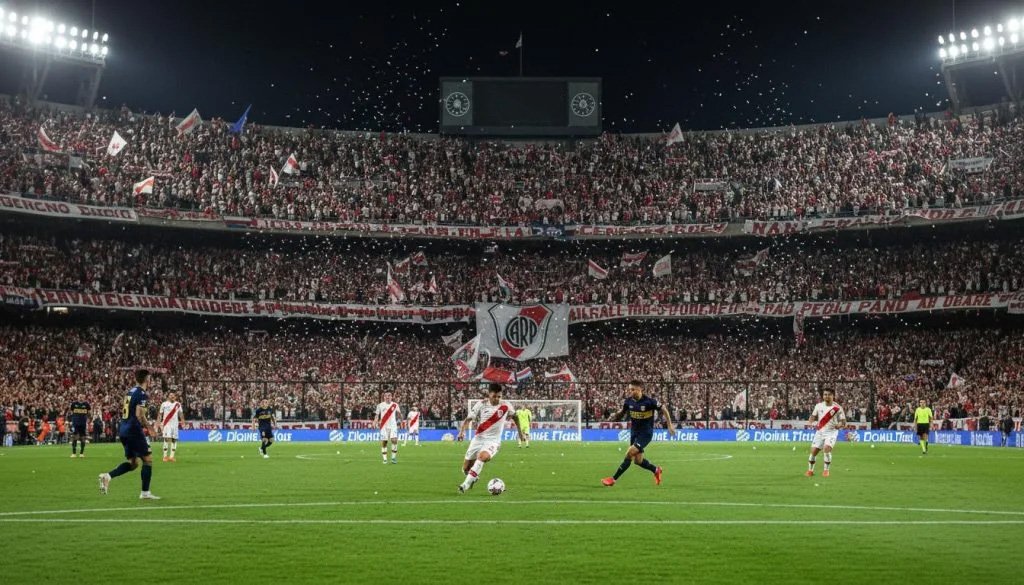
River Plate remains a benchmark for excellence in Argentina. The club’s blend of academy graduates and shrewd transfers keeps the squad deep, while the Monumental still provides a home advantage few teams can match.
River’s success is built on continuity in coaching philosophy and a well-funded infrastructure that supports recovery and scouting across South America. Their ability to compete domestically and in Libertadores campaigns makes them a perennial favorite among fans and pundits alike.
Boca Juniors
Boca Juniors combines unmatched atmosphere with commercial muscle and a relentless fanbase that keeps expectations high. La Bombonera provides a unique psychological edge during key matches, and the club’s brand attracts sponsorships and talent.
In 2026 Boca continues to balance marquee signings with homegrown players, often producing the kind of late-game firepower that wins cups. Their focus on maintaining continental relevance ensures heavy investments in coaching and player development.
Racing Club
Racing has steadily rebuilt itself into a consistent challenger, pairing stable leadership with a robust scouting program. The club’s recent domestic campaigns have emphasized disciplined midfield structure and rapid transitions.
Investment in youth and a professionalized academy have returned dividends, feeding the first team with technically polished youngsters. Racing’s infrastructure upgrades and clearer financial controls have made them a model for sustainable competitiveness.
Talleres (Córdoba)
Talleres has emerged as one of the smartest operators outside Buenos Aires, leveraging shrewd transfers and a committed local fanbase. The club’s project focuses on tactical identity and integrating academy talents into a competitive first-team setup.
By 2026 Talleres is regularly competing in continental qualifiers, and its balanced approach to recruitment—targeting undervalued regional players—keeps the roster both affordable and effective. They are a blueprint for provincial clubs aiming for national prominence.
Estudiantes (La Plata)
Estudiantes blends hard-nosed defensive organization with a strong tradition of developing intelligent midfielders. The club’s coaching lineage emphasizes tactical discipline and physical preparation, traits that pay off in knockout tournaments.
Their youth academy has a history of producing professionals who fit the club’s system, and Estudiantes’ recent cup runs show a capacity to punch above their financial weight when strategy and preparation align.
Vélez Sarsfield
Vélez remains an institution for youth development and consistent league performance, with an academy that regularly supplies the first team and the transfer market. Their approach mixes local recruitment with targeted international signings.
Strong coaching and a steady administrative framework keep Vélez competitive year after year. They may not have the flashiest roster, but their structural health makes them a durable presence near the top of the table.
Lanús and Independiente: tradition meets renewal
Lanús and Independiente epitomize clubs with deep histories adapting to modern demands. Lanús is known for punching above its weight through efficient scouting and a cohesive youth pipeline.
Independiente, historically one of the continent’s most decorated clubs, has been working to restore its former continental clout. Both clubs show that careful planning and fan engagement can revive legacy institutions without reckless spending.
Snapshot table: quick reference
| Club | Strength | Edge in 2026 |
|---|---|---|
| River Plate | Depth, infrastructure | Consistent continental contender |
| Boca Juniors | Brand, atmosphere | Commercial muscle, clutch performances |
| Racing Club | Scouting, academy | Stable leadership, tactical clarity |
| Talleres | Smart recruitment | Provincial success, rising profile |
| Estudiantes | Tactical discipline | Knockout specialists |
| Vélez Sarsfield | Youth development | Consistent league performance |
How continental performance reshapes status
Copa Libertadores and Sudamericana runs remain the fastest way for Argentine clubs to boost reputation and revenue. Strong continental campaigns not only bring prize money but improve transfer bargaining power and attract better coaching talent.
In 2026, clubs that can balance domestic league demands with long continental runs will naturally sit at the top of any national hierarchy. That double-front pressure separates teams with deep squads and strategic planning from those who peak briefly and fade.
Fan culture, economics, and youth: the sustainable trifecta
Argentine clubs live and die by their supporters, but long-term success requires modern financial management. Clubs combining rabid fan support with savvy business operations—diversified sponsorships, responsible player trading, and investment in facilities—are the ones that endure.
Academies are crucial: producing players for the first team or for profitable sales keeps clubs competitive without reckless spending. In 2026, the healthiest organizations are those that can cycle talent upward while remaining competitive on all fronts.
Personal notes from the stands
I’ve watched matches at both the Monumental and provincial stadiums, and the contrast is instructive: the historic giants rely on atmosphere and brand, while provincial arenas pulse with grassroots passion and local identity. Both environments produce thrilling football, but the clubs that pair that passion with solid organizational practices consistently advance farther.
Seeing a well-coached Argentine side execute a late-game tactical shift is a reminder that technical and tactical education has become as important as raw talent. Those moments often separate champions from also-rans.
Sources and further reading
- Argentine Football Association (AFA): https://www.afa.com.ar
- CONMEBOL official site: https://www.conmebol.com
- FIFA: https://www.fifa.com
- River Plate official site: https://www.cariverplate.com.ar
- Boca Juniors official site: https://www.bocajuniors.com.ar
- Transfermarkt (squad values and transfers): https://www.transfermarkt.com
- ESPN FC (news and match reports): https://www.espn.com/soccer
- BBC Sport (analysis and features): https://www.bbc.com/sport/football
Whether you follow the traditional powerhouses or the ambitious provincial projects, Argentina’s football scene in 2026 is rich with stories of renewal and resilience. These teams show that success there is never static—it’s a constant process of adaptation, investment, and fierce local pride.