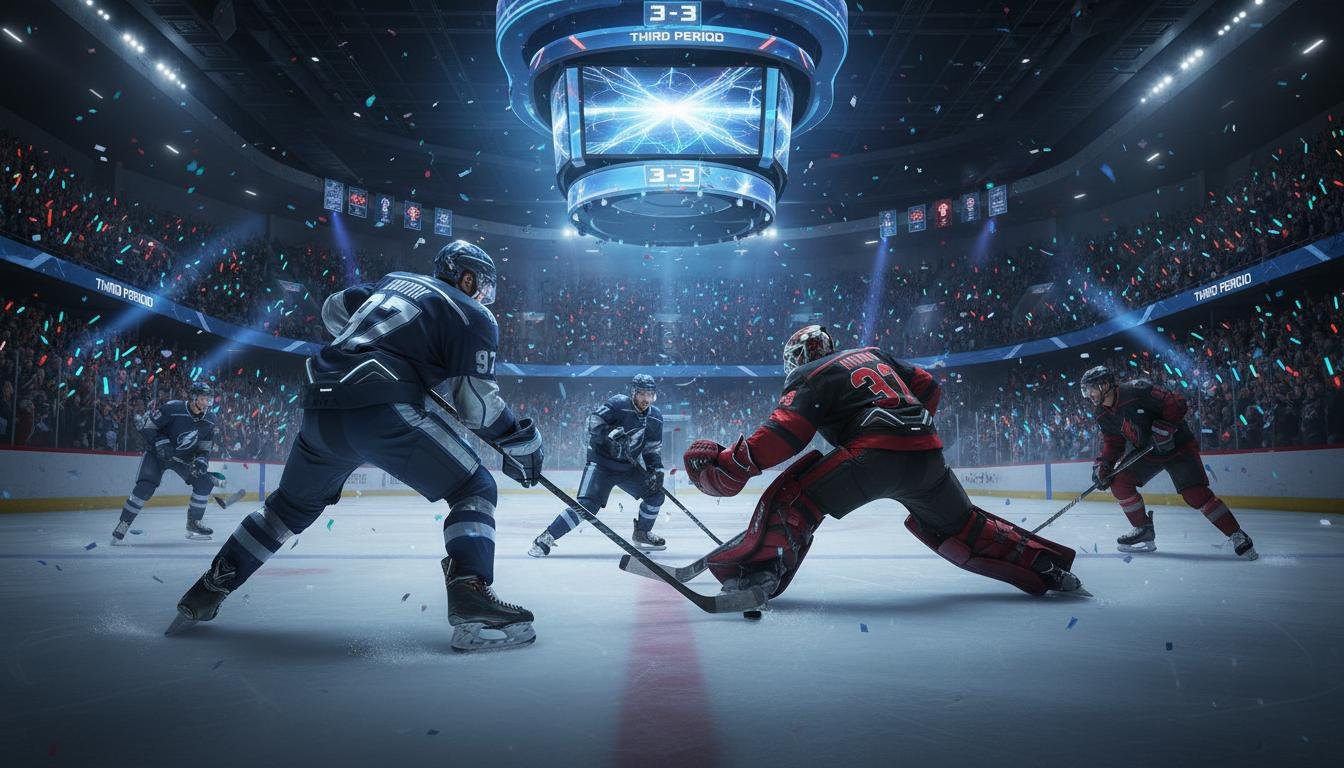
By 2026 the landscape of elite hockey is both familiar and unsettled: traditional powerhouses remain, but depth, analytics, and player development have reshuffled who you should really be watching. This article walks through the clubs and national programs that, through championship resumes, sustained talent pipelines, and modern strategies, stand out as the best hockey teams in the world in 2026.
How we measure “best” in a game of margins
“Best” in hockey isn’t a single stat. I weigh championships and recent postseason runs, roster depth, salary-cap efficiency, goaltending stability, and the quality of a team’s development pipeline. Context matters too: injuries, international tournaments, and off-ice stability can swing a season quickly, so dynamism is part of the metric.
Analytics now play a central role. Corsi and expected-goals metrics tell you who controls play, but scouting still decides outcomes. Teams that combine elite underlying numbers with strong scouting and coaching tend to convert potential into trophies more often than flashy-but-shallow clubs.
Finally, I consider international performance for national teams and cross-league comparisons for clubs. A KHL champion’s quality isn’t identical to an NHL contender’s, yet both supply the best players to international tournaments — and that matters when naming the world’s top teams.
What makes a club team world-class in 2026
Depth is non-negotiable. A top club in 2026 survives injuries and slumps because it has talented second and third lines, reliable defense pairings, and a capable backup goalie. Roster construction under a hard salary cap rewards drafting and development, so clubs that draft well are more likely to remain elite.
Coaching and systems matter more than ever. Coaches who can adapt in-season, deploy players for matchup advantages, and squeeze more out of special teams often tilt playoff series. That adaptability separates perennial contenders from one-hit wonders.
Top NHL clubs to watch
The NHL still concentrates much of the planet’s top professional talent, so any conversation about the best hockey teams in the world in 2026 must start here. These clubs combine recent success, durable cores, and management track records that suggest continued excellence.
Colorado Avalanche
Colorado’s mix of elite offensive talent, puck-moving defense, and high-end goaltending keeps them in the conversation. Their ability to transition quickly from defense to attack and their skill up front make them a nightmare matchup in five-on-five play. Sustained success depends on keeping their core healthy and balancing the cap as veteran contracts roll through.
Boston Bruins
Even post-cup runs, the Bruins’ organizational depth—particularly on defense—and their commitment to physical, relentless forechecking give them a perennial edge. Boston’s development system continues to supply capable NHL players, and their special teams have remained reliable across seasons.
Vegas Golden Knights
Vegas blended aggressive analytics with shrewd free-agent moves to become a model franchise. Their roster construction emphasizes high-end skill balanced by veterans who know playoff hockey. The coaching staff’s ability to tweak lines and maintain a high-event style keeps them competitive year after year.
Edmonton Oilers
Offensive firepower around two generational talents (McDavid and an elite winger in 2026) still makes Edmonton a top threat. The Oilers’ challenge has been consistency in depth scoring and netminding; when both align, they are among the most dangerous teams in the league.
Toronto Maple Leafs
Toronto’s pressure to convert regular-season success into playoff wins remains intense. With a star-laden forward group and a young core of defensemen improving, their ceiling is very high. Management’s gamble on building a contender through large contracts and youth development will define their 2026 outlook.
Top club teams outside the NHL
High-level hockey isn’t confined to North America. The KHL, Sweden’s SHL, Finland’s Liiga, and other European leagues produce teams and players that compete on the world stage and feed top leagues every year.
SKA St. Petersburg and CSKA Moscow (KHL)
KHL powerhouses like SKA and CSKA maintain deep rosters with a mix of top Russian talent and international veterans. Their systems prioritize puck possession and tactical discipline, and they frequently challenge for the Gagarin Cup. While the political and economic context complicates player movement, the on-ice quality remains elite.
Växjö Lakers and Frölunda HC (SHL)
Sweden’s top clubs combine sound youth development with systems that emphasize skating and puck skill. Frölunda’s production of NHL talent and Växjö’s recent success in domestic playoffs make them benchmarks for club excellence in Europe.
Kärpät and Tappara (Liiga)
Finland’s top teams deliver disciplined, defensively-responsible hockey with fast transitions. Their national pipeline feeds both top European clubs and the NHL, and their success in international club competitions reinforces their status among the world’s best.
Snapshot table: leading club teams by league (2025–26 snapshot)
| Team | League | Why they stand out |
|---|---|---|
| Colorado Avalanche | NHL | Elite transition offense, balanced defense, playoff pedigree |
| Boston Bruins | NHL | Depth, structured defense, strong organizational stability |
| Vegas Golden Knights | NHL | Analytical front office, adaptable coaching, roster depth |
| SKA St. Petersburg | KHL | Deep talent pool, technical play, Gagarin Cup contender |
| Frölunda HC | SHL | Development pipeline, skill emphasis, international success |
National teams: who’s on top in 2026
International hockey is where club allegiances fall away and national depth matters. World Junior and senior international tournaments have reshaped how we rank nations: it’s no longer just about one superstar, but about system continuity, goalie development, and professional depth.
Canada
Canada’s talent pool remains enormous and deep across positions. Strong junior systems and a culture that funnels players through elite competition create a steady stream of NHL-ready talent. In best-case scenarios — with access to top professionals — Canada is the team to beat.
Finland
Finland’s rise into a true hockey superpower is no accident. Their coaching at youth levels emphasizes systems, two-way play, and mental preparation. Finnish goaltending has produced world-class options, and their league structure promotes early professional experience.
United States
The U.S. has matured from a talent supplier to a tactical powerhouse, with college hockey and new development programs producing elite skaters and goalies. A combination of athleticism, size, and an expanding coaching infrastructure keeps the U.S. among the top national teams.
Sweden
Sweden’s focus on skill, skating, and positional play keeps them competitive at every level. Their pro league continues to produce tactically astute players who translate well to international tournaments and the NHL.
Emerging national programs and dark horses
International hockey is less predictable than club play because a few breakout players or a single elite goalie can propel a country into medal contention. Programs like Switzerland, Germany, Latvia, and the Czech Republic are stronger than they’ve been in decades.
Latvia’s passionate fanbase and the emergence of NHL-level talent turn them into an unpredictable opponent; Germany’s recent depth and coaching investments have yielded stronger tournament showings; Switzerland’s systems produce disciplined teams that are hard to dislodge in tight games.
Players and strategies shaping 2026
Speed and high-event offense remain the stylistic trend, but structural defense and goaltending still win championships. Teams that press the attack while protecting lanes and managing expected goals control play more consistently. Special teams — especially power-play creativity and penalty-kill aggressiveness — often decide tight playoff series.
On the player side, the careers of elite forwards and defensemen still define team ceilings. Players who can drive play across multiple seasons, stay healthy, and perform in the clutch elevate their teams into the “best” category. Goaltenders who combine consistency with high-save percentage in high-danger situations are disproportionately valuable.
Why development pipelines matter more than ever
Salary cap hockey rewards clubs that find talent internally. Teams with strong junior programs, AHL affiliates that emphasize the parent club’s system, and European scouting networks tend to produce NHL-ready players on cost-controlled contracts. Over a five-year span, teams that draft and develop well will outperform those that try to buy success every offseason.
Internationally, national programs that coordinate junior development with professional leagues create a smoother path to elite performance. Finland’s and Sweden’s coordinated systems are good examples; they produce players who are physically and tactically prepared for pro play at younger ages.
Market factors, ownership and stability
Ownership and front-office stability can’t be ignored. Teams that maintain consistent leadership and a clear organizational identity make better long-term decisions. Frequent managerial turnover leads to reactive roster moves and short-term thinking that undermines sustained excellence.
Market size still influences spending power for free agency and the ability to absorb unfavorable contracts. Small-market clubs that rely on analytics and scouting to extract value are often the most interesting long-term contenders because they create a self-sustaining competitive model.
International tournaments and the Olympic factor
Major international events — World Championships, World Juniors, and the Winter Olympics — influence how we perceive team strength. Olympic hockey in 2026 will test national rosters’ depth and coaching adaptability. Whether top professionals participate in Olympic play can redefine which national teams look strongest on the world stage that year.
World Championship results also matter because they reflect organizational depth; teams that can replace NHL absences with capable professionals and still perform at a high level demonstrate competitive construction that translates into long-term respect.
Coaching and front-office trends to watch
Adaptive coaching — the willingness to change systems mid-series, adjust line matchups, and deploy data-driven situational strategies — is now a hallmark of top teams. Front offices that invest in analytics and coordinate scouting with coaching gain an edge when it comes to in-season trades and lineup decisions.
General managers who are patient and prioritize draft capital, development, and cultural fit over headline signings often build the teams that contend consistently. The best organizations combine smart decision-making with a clear hockey identity.
Fan culture and the intangible edge
Home-ice energy matters. Fanbases that create intimidating atmospheres — from the Nordiques-style European rinks to NHL arenas with sustained noise and pressure — can sway playoff series. Teams that cultivate a strong local identity also attract talent drawn to winning cultures, which reinforces success.
Off-ice support systems — training facilities, medical staffs, analytics teams — are part of that intangible advantage. Organizations that invest in player health and recovery tend to keep their top players available during long playoff stretches, which often makes the difference.
Personal field notes and real-life examples
I watched a late-season Avalanche game in 2024 where their depth scoring flipped a comeback late in the third period. That kind of in-game resilience, repeated across a season, is what separates contenders from pretenders. Small details — a backup goalie making timely saves, a defensive pairing that shuts down an opponent’s top line — compound into playoff success.
Similarly, a visit to a Finnish Liiga arena showed how that country’s coaching philosophies are embedded early. Kids as young as 12 are drilled in positional play and defensive responsibility, and the result is national teams that arrive at tournaments well-coached and structurally sound.
How to watch and evaluate teams in 2026
Follow underlying metrics, but don’t ignore context. A team with poor luck in shooting percentage one season might rebound if their underlying expected-goals metrics are strong. Conversely, teams overperforming on unsustainable shooting luck are likely to regress.
Track roster moves and the AHL or junior affiliates. A trade that seems minor can unlock cap flexibility or address a matchup weakness; a young player promoted from the AHL can shift a team’s trajectory. Watching international tournaments also gives perspective on players who can become difference-makers at the club level.
Final thoughts on the best hockey teams in the world in 2026
The label of “best” is fluid, shaped by championship success, organizational craft, and the ability to evolve. In 2026, a mix of NHL dynamos and elite European clubs define the top of the sport, while national teams like Canada, Finland, the United States, and Sweden maintain heavyweight status on the international scene. The true excitement comes from watching how analytics, development, and coaching continue to nudge the balance.
Hockey’s margin-driven nature means that every season offers surprises. Teams that pair modern strategy with deep talent pools and stable leadership will continue to dominate headlines and lift trophies — and those are the ones worth watching if you want to follow the best hockey teams in the world in 2026.
Sources and expert contributors
- https://www.iihf.com — International Ice Hockey Federation (IIHF), rankings and tournament reports
- https://www.nhl.com — NHL.com, statistics and team reports
- https://en.khl.ru — Kontinental Hockey League official site
- https://www.eliteprospects.com — player development and team prospect information (Elite Prospects)
- https://www.hockey-reference.com — historical statistics and advanced metrics
- https://theathletic.com — reporting and analysis by Pierre LeBrun, Arpon Basu and other hockey journalists
- https://www.espn.com/nhl — reporting and analysis by Emily Kaplan and other NHL experts
- https://www.sportsnet.ca — international coverage and commentary (including John Shannon and insider reports)
Full analysis of the information was conducted by experts from sports-analytics.pro