2010 remains one of those years that changed how many people saw African football. Between dramatic national-team runs at the World Cup and club sides challenging the established global order, players and teams from across the continent forced fresh respect. This article looks back at the year’s high points — who rose, who reinforced long-standing dominance, and why 2010 mattered for football in Africa.
TP Mazembe: a club that rewrote expectations
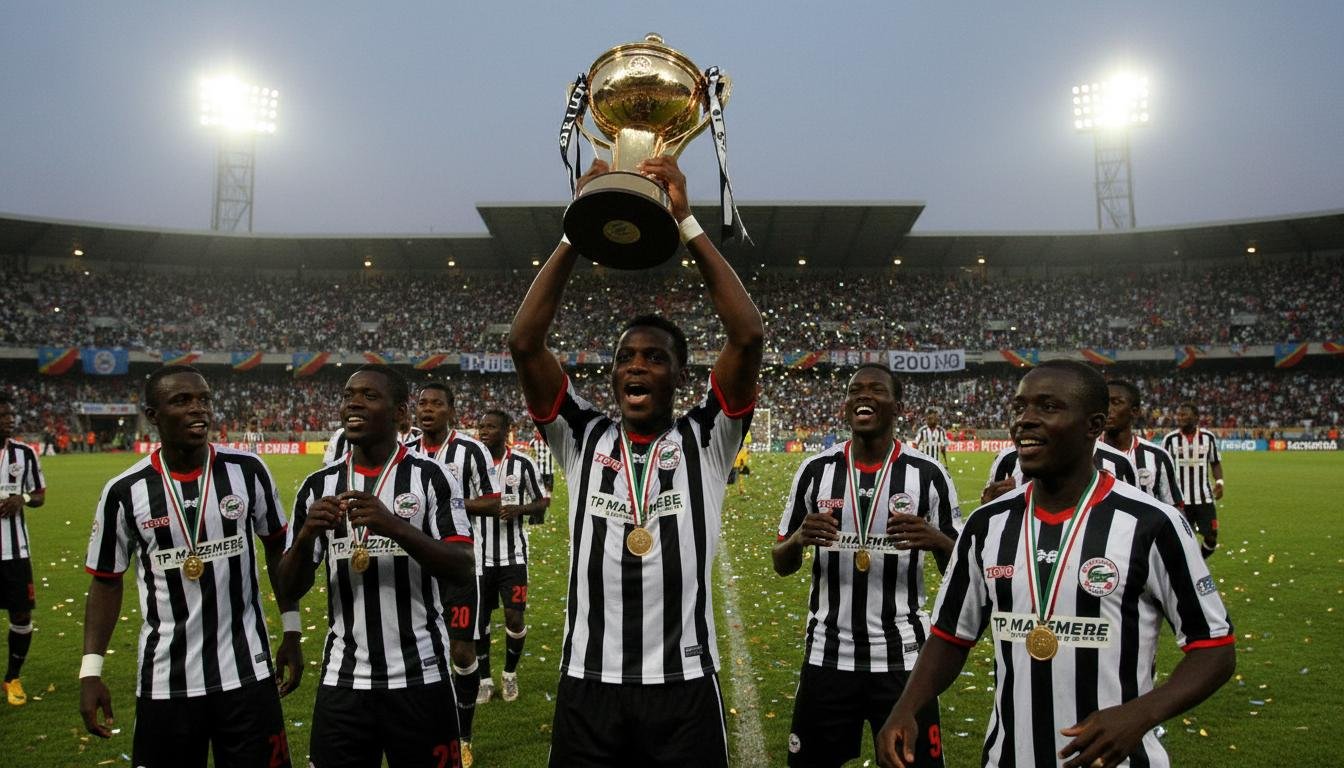
No conversation about the best African teams in 2010 begins without TP Mazembe. The club from Lubumbashi completed a remarkable run in continental competition and then carried that form to the global stage by reaching the 2010 FIFA Club World Cup final — the first African side ever to do so.
Mazembe’s semifinal victory against South American champions Internacional (2–0) stunned many observers and underlined that elite African club football could compete with continental champions from other confederations. They ultimately lost the final to Internazionale, but the achievement expanded the narrative about African clubs’ tactical maturity and organization.
The Mazembe story also had a ripple effect: scouts and clubs in Europe took a closer look at Central African talent, and local investment in training and facilities received renewed attention. That single Club World Cup run did more for perception than years of good results might have accomplished.
Al Ahly and North African consistency
While Mazembe grabbed global headlines, Al Ahly of Egypt remained a bedrock of continental success. By 2010 Al Ahly had already built a reputation as Africa’s most successful club in modern history, and they continued to be a measuring stick for others across the continent.
North African teams in general — including Tunisian and Moroccan clubs — continued to combine strong domestic systems with experienced coaches and players who had substantial exposure to European football. That setup produced teams that were tactically disciplined, technically skilled, and capable of challenging in both CAF competitions and domestic leagues.
For fans who watched the region’s domestic fixtures and continental ties, the contrast with many sub-Saharan leagues was striking: resources and continuity often made the difference, turning North African clubs into perennial contenders in 2010.
National teams: Egypt, Ghana and the drama of 2010
At the national-team level, 2010 was defined by two contrasting narratives: Egypt’s dominance in Africa and Ghana’s near-miss on the world stage. In January 2010 Egypt won the Africa Cup of Nations in Angola, securing an unprecedented third straight title and reaffirming their continental supremacy.
Seven months later, Ghana produced one of the tournament’s most memorable stories at the FIFA World Cup in South Africa. The Black Stars reached the quarterfinals and came within a heartbeat of progressing further. Their tie against Uruguay ended in heartbreak — a late handball on the goal line, a missed penalty in extra time, and a penalty shootout defeat left the continent debating both the refereeing and the fine margins of elite football.
Those two runs — Egypt’s continental dynasty and Ghana’s global breakthrough — showed different but complementary strengths in African football: mastery within Africa and competitiveness on the world stage. Both inspired fans across the continent and encouraged federations to push for better youth development and coaching structures.
Ivory Coast, South Africa and the depth beyond the headlines
Ivory Coast arrived at the 2010 World Cup widely considered one of Africa’s most talented squads, filled with players established at top European clubs. While they underperformed relative to expectations and failed to advance from the group stage, the side illustrated how player development pathways to Europe were shaping national-team potential.
South Africa, as host, drew global attention to the continent’s ability to stage major tournaments. The national team’s showing received mixed reviews: they earned a historic group-stage win against France but did not reach the knockout rounds. Still, the infrastructure and atmosphere of the tournament left a lasting legacy for stadiums, grassroots programs, and local interest in coaching education.
Beyond those high-profile teams, several other national programs were quietly building foundations — investing in youth academies, coaching, and league stability — which would influence continental competitiveness in subsequent years.
Other club standouts and the competitive landscape
2010’s club scene was not limited to a single headline act. Several North and West African teams continued to make deep runs in CAF competitions, demonstrating the continental depth. Clubs such as Esperance (Tunisia), Raja and Wydad (Morocco), and Etoile du Sahel (Tunisia) were consistently competitive and regularly pushed for continental honors.
These clubs benefited from robust domestic leagues, relatively steady finances, and established scouting networks that replenished squads with young talent. In turn, sustained competition at the domestic level translated into stronger performances in CAF tournaments, creating a cycle of improvement and expectation.
The diversity of playing styles — from the physical pace of some West African sides to the tactically compact North African teams — made for compelling and often unpredictable continental competitions in 2010.
What made 2010 different: infrastructure, visibility, and talent flow
The significance of 2010 goes beyond individual trophies. That year marked a moment when African teams proved they could produce moments that resonated globally: a club final in Tokyo, quarterfinal drama in South Africa, and the sustained success of continental heavyweights. Those events boosted the visibility of players, coaches, and entire leagues.
Investment in stadiums and training facilities, partly accelerated by South Africa’s World Cup preparations, raised the standard of professionalism in a number of countries. At the same time, European clubs continued to recruit African players, deepening talent pathways but also raising questions about domestic league retention and local coaching development.
All told, the developments of 2010 created pressure and opportunity. Federations were pushed to modernize, clubs to professionalize, and players to navigate careers that increasingly spanned continents.
Quick reference: notable teams and highlights of 2010
| Team | Country/region | 2010 highlight |
|---|---|---|
| TP Mazembe | Democratic Republic of Congo | CAF dominance and FIFA Club World Cup finalist |
| Al Ahly | Egypt | Continental powerhouse and consistent top performer |
| Egypt national team | Egypt | Winners, 2010 Africa Cup of Nations |
| Ghana national team | Ghana | Reached 2010 FIFA World Cup quarterfinals, dramatic exit |
Personal note on the atmosphere and legacy
I remember watching the Ghana–Uruguay quarterfinal with a roomful of fans from different countries; the tension in extra time felt nearly unbearable. That match, and Mazembe’s club run, stuck with me not just because of the drama but because they changed how commentators and clubs talked about African football.
Those images of packed stadiums, vocal supporters, and well-prepared squads helped convince many observers that African football deserved sustained attention — not as an exotic alternative but as a central, competitive part of the global game.
Looking forward from 2010
The year 2010 left African football with clearer ambitions and tougher questions. How to convert individual and club breakthroughs into systemic improvements? How to make domestic leagues competitive and financially sustainable? Many federations used the momentum of that year to prioritize youth programs and coach education.
What remains clear is that 2010 was not an anomaly. It was a marker — a moment when African clubs and national teams demonstrated readiness to challenge higher-ranked opponents, and when the continent’s football story became impossible to ignore.