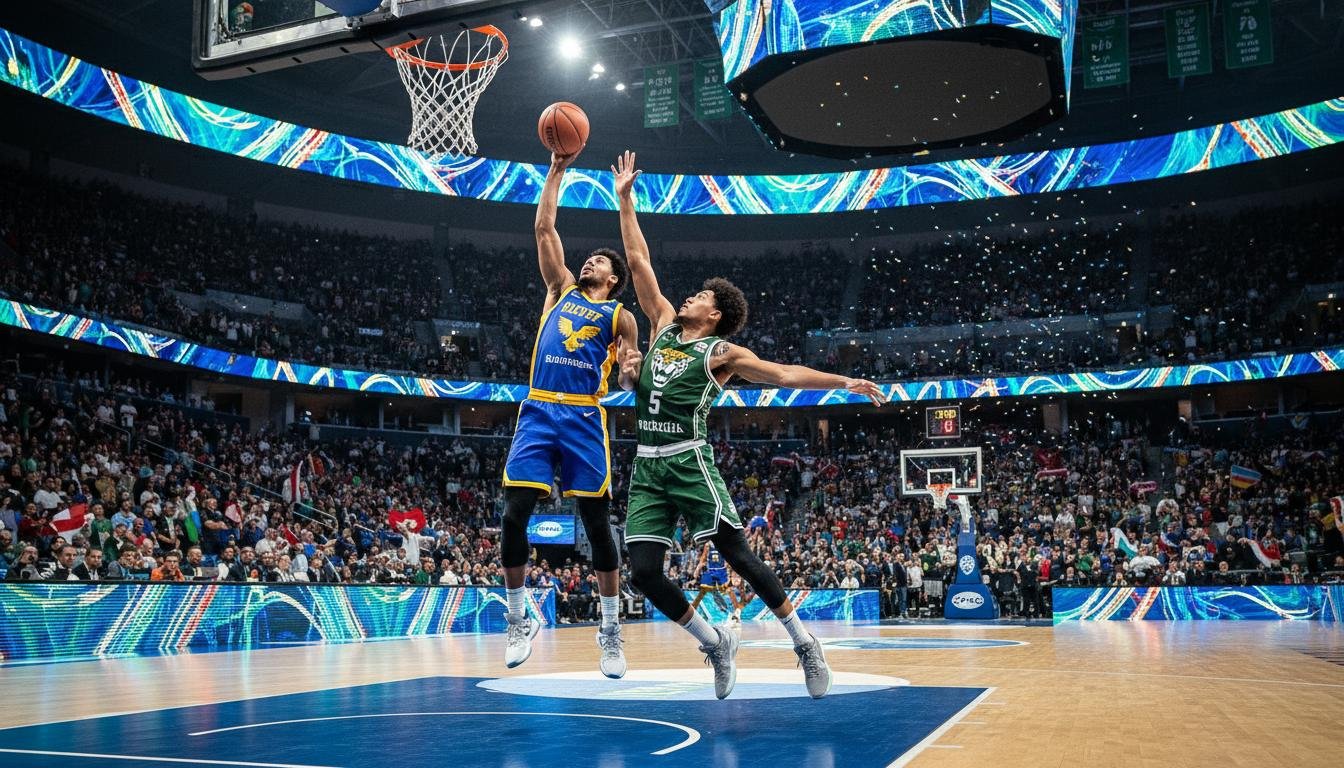
South American club basketball is a living, breathing tapestry of local passion, sudden breakthroughs and careful long-term planning. As the continent approaches 2026, a handful of clubs stand out not only for recent trophies but for the structures that make sustained success possible: budgets, youth pipelines, coaching stability and continental pedigree. This article walks through the teams most likely to define the next chapter of South American basketball and explains why they matter on and off the court.
Why club strength matters beyond the scoreboard
When a club wins, the city feels it in tangible ways — ticket sales rise, sponsor interest grows and youth players suddenly have role models in their community. Strong clubs also lift the regional game by investing in coaching, facilities and domestic competitions that feed continental tournaments.
Evaluating “best” teams means looking past a single championship. Financial health, scouting, player development, and the ability to attract and retain coaching talent all matter. That broader view helps explain which teams will still be relevant in 2026, not just who hoisted a trophy last season.
How this list was compiled
This selection emphasizes a blend of historic achievement and forward-looking indicators: recent domestic and continental performances through mid-2024, stability of management, investment in youth and infrastructure, and the presence of players or coaches capable of competing at continental level. Where useful, I’ll note the club’s continental footprint — a key sign of long-term competitiveness.
The result is not a single definitive ranking but a snapshot of clubs best positioned to be leaders in South American basketball by 2026. I’ve also included some context about why each club matters to fans, players, and the broader game.
Top clubs to watch
The list below highlights eight clubs that combine history, resources and recent momentum. Each profile explains the club’s strengths and why it should be tracked through 2026.
Flamengo (Brazil)
Flamengo remains a benchmark for professional club basketball in South America. The Rio de Janeiro giant benefits from deep financial backing, a massive fanbase and the marketing machinery of one of Brazil’s biggest sports institutions.
Those resources translate into sustained competitiveness: Flamengo routinely attracts top Brazilian talent and experienced international players, which helps them compete in both the NBB and continental competitions. They are also notable for strong youth programs that replenish the senior roster.
Franca Basquetebol Clube (Brazil)
Franca has rebuilt itself into one of Brazil’s most respected projects, combining smart recruitment with strong local support. The club’s recent investments in facilities and coaching have paid dividends in domestic play and raised their continental profile.
Franca’s model emphasizes continuity: a core of domestic stars complemented by selective foreign signings and a focus on homegrown prospects. That balance is a proven recipe for longevity in club basketball.
Minas Tênis Clube (Brazil)
Minas has quietly built a reputation as both a competitive NBB side and a developer of talent. The club’s multi-sport structure provides financial stability and cross-subsidies that help sustain a high-quality basketball program.
Minas often blends veteran leadership with emerging Brazilian prospects, making them a consistent threat in domestic play and a dark horse in continental events where depth and discipline matter most.
Quimsa (Argentina)
From Santiago del Estero, Quimsa represents the new heartland of Argentine club basketball: ambitious, professionally run and eager to challenge the traditional Buenos Aires powers. Their recent domestic success is a sign of effective talent recruitment and coaching continuity.
Quimsa’s supporters and management have pushed the club to compete on two fronts, and their continental ambitions are bolstered by a culture that prizes adaptability and intensity on defense.
San Lorenzo (Argentina)
San Lorenzo rebuilt its basketball reputation with significant investment and a strong desire to match the club’s football profile on the hardwood. Despite occasional financial turbulence, its organizational reach and fan engagement make it a major player.
When San Lorenzo is stable off the court, it can assemble rosters that challenge for domestic titles and perform well in continental tournaments, giving it the potential to be among the best in South America by 2026.
Regatas Corrientes (Argentina)
Regatas has a consistent track record of competing at high levels in Argentina and representing the country in continental play. Their strength lies in local talent development and an organizational culture that prizes tactical discipline.
The club’s management focuses on steady, sustainable growth rather than headline signings, a strategy that tends to keep them competitive year after year and makes them a reliable contender on the continental stage.
Boca Juniors (Argentina)
Boca is a name people associate with football, but the club’s basketball section carries real weight domestically. Boca’s advantage is institutional: strong brand recognition, sponsorship potential and the ability to attract fans from across the country.
That reach helps Boca invest in coaching and player recruitment, and when the team is aligned internally, it can make deep domestic runs and be competitive in continental events.
Club Atlético Peñarol (Uruguay)
Peñarol represents Uruguay’s best shot at competing consistently with the larger South American markets. Uruguay’s leagues are smaller, but clubs like Peñarol punch above their weight through shrewd recruitment and a robust local fanbase.
Peñarol’s strategy involves developing national talent and supplementing the roster with experienced regional players, creating a blend that can surprise bigger-budget teams in continental play.
Small table: quick reference
| Club | Country | Why watch |
|---|---|---|
| Flamengo | Brazil | Financial muscle, deep roster, strong youth pipeline |
| Franca | Brazil | Infrastructure investment, continuity, local support |
| Minas | Brazil | Talent development, organizational stability |
| Quimsa | Argentina | Ambitious project, coaching continuity |
| San Lorenzo | Argentina | Institutional reach, competitive resources |
| Regatas Corrientes | Argentina | Consistent domestic contender, tactical strength |
| Boca Juniors | Argentina | Brand power, sponsorship and recruitment potential |
| Peñarol | Uruguay | Efficient recruitment, strong local following |
What to watch between now and 2026
Key indicators that will confirm or shift this list include: results in the Basketball Champions League Americas, changes in club ownership or major sponsorships, and the flow of talent between South America and overseas leagues. Clubs that combine good coaching hires with youth development will improve fastest.
For fans, the most enjoyable thing about this era is the unpredictability: a well-assembled roster or an inspired coach can change fortunes quickly. That means the map of top teams may shift, but the clubs listed here have the structures to resist sudden drops.
A personal note on atmosphere and growth
Covering games across the continent, I’ve seen arenas where the crowd lifts a team in the fourth quarter and small-court practices where future national-team players sharpen their craft. Those contrasting scenes are the reason South American club basketball continues to matter — it’s as much about communities as it is about wins and losses.
Whether you follow from a packed stadium or from a screen, these clubs are the ones most likely to shape headlines and influence the next generation of players as we move into 2026.
Sources and further reading
- FIBA — International Basketball Federation: https://www.fiba.basketball
- Basketball Champions League Americas (FIBA competition pages): https://www.fiba.basketball/bclamericas
- Novo Basquete Brasil (NBB) official site: https://lnb.com.br
- Liga Nacional de Básquet (Argentina) official site: https://www.laliganacional.com.ar
- General coverage and analysis from ESPN: https://www.espn.com