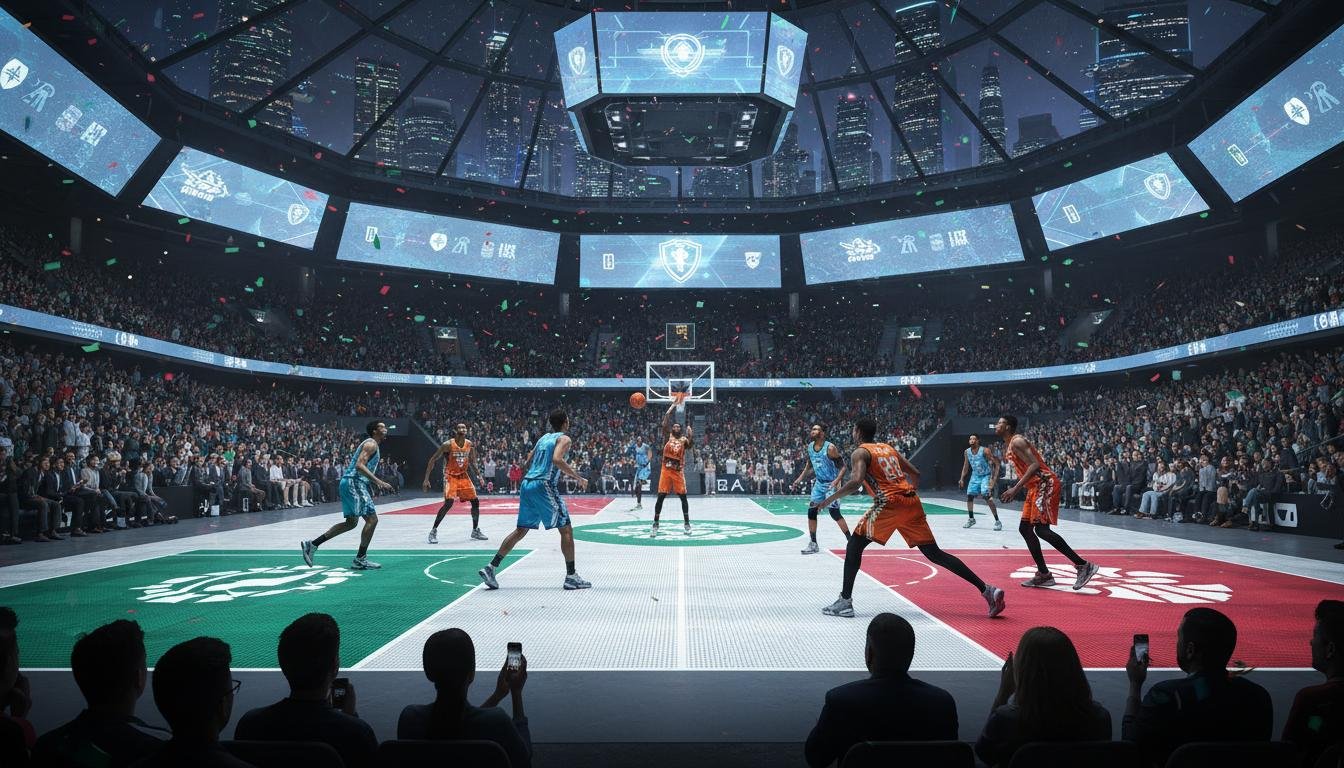
Basketball in Mexico has been quietly accelerating: better arenas, deeper youth pipelines, and clubs that treat coaching and scouting like the fine crafts they are. This article looks ahead to 2026 and highlights the teams most likely to shape the country’s basketball landscape, explains the criteria used, and offers practical ways to follow the game as it grows.
How I chose which teams to watch
Picking the teams in this piece meant weighing several factors beyond recent wins: front-office stability, youth development, fan infrastructure, and exposure to international competition. I reviewed club histories, league standings through 2024, and reporting from FIBA, the LNBP, and regional media to form a forward-looking assessment.
Having covered club basketball and attended games in Mexico over multiple visits, I paid attention to elements you don’t always see in box scores — training facilities, youth academies, and ticket sales trends. Those on-the-ground impressions help explain why some clubs are positioned to thrive by 2026 while others face steeper climbs.
What separates the elite from the rest
At the league level, consistency matters: clubs that invest steadily in coaching staff, analytics, and player development typically outlast one-off spending sprees. Teams that pair a solid domestic core with a selective import strategy tend to win championships and build long-term fan loyalty.
Arenas and media visibility also play a big role. Teams with modern venues and reliable streaming partnerships find it easier to attract sponsors and young talent. By 2026, exposure through international games or partnerships—such as a program linking a Mexican club to the NBA G League ecosystem—will be a major competitive advantage.
Top teams to watch in 2026
The list below focuses on clubs most likely to be influential in 2026, considering their recent trajectories and organizational foundations. Each entry explains why the team matters and what to watch as rosters and leagues evolve.
Capitanes de Ciudad de México
Capitanes have been the most visible Mexican club internationally since their entry into the NBA G League pathway. That exposure has translated into better recruiting, expanded commercial partnerships, and a clearer route for Mexican players to attract NBA or G League interest.
By 2026, Capitanes are likely to be a talent hub and a model for player development. Watch for continued investments in coaching and a pipeline that combines domestic prospects with experienced imports to balance competitiveness and growth.
Fuerza Regia (Monterrey)
Fuerza Regia has blended savvy front-office moves with strong local support to build sustained success in the LNBP. Their attention to scouting and international recruitment gives them depth across positions, and Monterrey’s market supports sponsorship and attendance.
Going into 2026, expect Fuerza Regia to remain a title contender if they preserve continuity in coaching and retain key domestic players. Their infrastructure and regional pull make them a perennial benchmark in Mexican pro basketball.
Soles de Mexicali
Soles de Mexicali combine a long tradition in Mexican basketball with a steady youth system and strong community ties. That culture—paired with disciplined roster building—has kept them near the top of national competitions through the last decade.
Looking ahead to 2026, Soles’ emphasis on developing Mexican talent should pay dividends as other clubs chase short-term imports. Their organization is likely to continue producing homegrown players who form the backbone of competitive squads.
Astros de Jalisco
Astros de Jalisco have built momentum through modern marketing, fan engagement, and competitive performance in the LNBP. A strong local fan base and an arena that creates a festival atmosphere help the team draw attention and revenue.
Astros’ medium-term prospects depend on maintaining salary discipline while investing in coaching. If they keep delivering exciting basketball and cultivating local prospects, they should be among the league’s influencers in 2026.
Libertadores de Querétaro
Libertadores have been an ascending program thanks to focused recruitment and a commitment to professional operations. Their roster construction favors defensive cohesion and role players who excel in systems.
By 2026, Libertadores could be a sleeper team that challenges traditional powers if they continue to refine scouting and youth ties. Stability in their technical staff would accelerate that trajectory.
Rayos de Hermosillo (CIBACOPA)
Regional leagues like CIBACOPA feed the national scene with talent, and Rayos de Hermosillo stands out for strong local support and consistent player pipelines. Their season structure and summer schedule provide playing time for developing pros and veterans.
Although CIBACOPA clubs operate in a different calendar than the LNBP, by 2026 Rayos and similar teams will influence the national market through transfers and by producing players ready for the top-tier clubs.
Quick comparative snapshot
To clarify differences at a glance, the table below summarizes each team’s league, core strength, and what to watch through 2026. This is a compact guide for fans and scouts tracking rising clubs.
| Team | Primary league | Core strength |
|---|---|---|
| Capitanes de Ciudad de México | NBA G League / LNBP ties | International exposure and player pathways |
| Fuerza Regia | LNBP | Scouting depth and market support |
| Soles de Mexicali | LNBP | Youth development and tradition |
| Astros de Jalisco | LNBP | Fan engagement and modern operations |
| Libertadores de Querétaro | LNBP | System-oriented play and scouting |
| Rayos de Hermosillo | CIBACOPA | Regional talent production |
Trends that will shape Mexican basketball by 2026
One clear trend is the professionalization of club operations. Teams that adopt analytics, full-time youth academies, and sports science will gain an edge. That investment curve tends to reward patient owners and smart technical directors.
Another trend is international connectivity. Capitanes’ participation in cross-border competition has raised expectations for exposure and player mobility. More Mexican players are now scouted by overseas clubs, and that flow will accelerate if domestic teams continue to emphasize development.
How fans and local communities can follow and support growing clubs
Attend local games, of course, but also follow official team feeds and regional league streams to stay connected; many clubs now stream matches or offer low-cost subscriptions. Buying merchandise and participating in community events helps clubs expand revenue beyond ticket sales.
Parents and coaches can support the long-term health of Mexican basketball by investing in grassroots programs and encouraging multi-sport youth development. Strong academies create a virtuous cycle: better players attract better competition, which attracts more fans and sponsors.
What to watch between now and 2026
Keep an eye on coaching hires, arena upgrades, and youth signings—those moves often signal a club’s intent to compete sustainably. Also watch cross-league partnerships or exhibitions with teams from the U.S. or South America; such games accelerate learning and visibility.
Finally, follow player pathways. When a Mexican prospect earns interest from the G League, European teams, or NCAA programs, it’s not just a single success story but a sign the system is producing talent at scale. Those individual breaks add up to national progress.