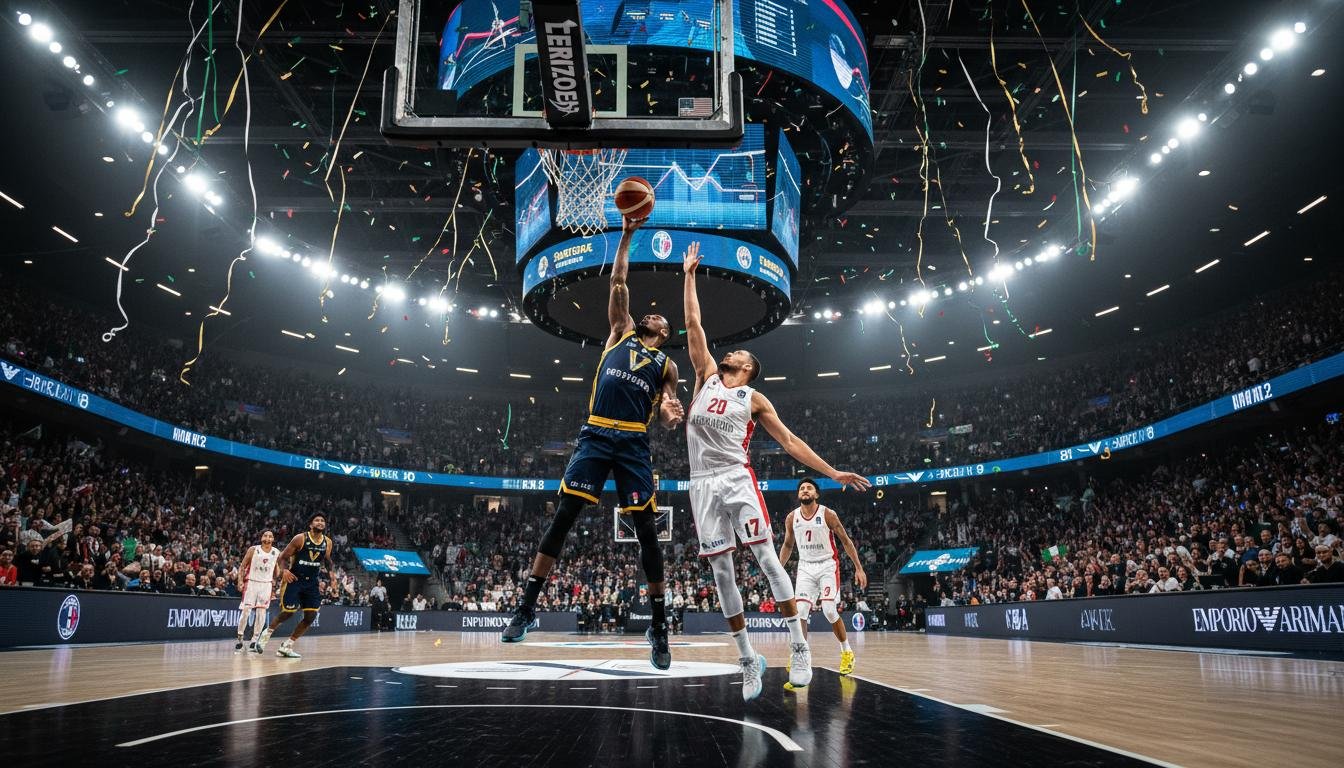
Italy’s basketball scene is quietly reshaping itself. By 2026 the landscape will reflect the legacy of historic powers, the ambition of provincial clubs, and the influence of European competition. This article maps the likely front-runners, explains why they matter, and offers the context you need to understand who will be winning — and why it won’t be the same story everywhere.
How I judged the contenders
Picking the leading teams for 2026 isn’t about listing last season’s standings. I weighed five practical pillars: budget and financial stability, coaching and continuity, youth production and scouting, performance in domestic and European competitions, and organizational ambition. Those elements together tell you which clubs can sustain success rather than enjoy a single lucky year.
To form a realistic view I cross-referenced league data, club reports, and continental results. I also spent seasons covering games in Italy, sitting courtside at the Mediolanum Forum and the Unipol Arena, and speaking with scouts and front-office figures who track player pipelines closely. Those conversations repeatedly returned to one theme: infrastructure and planning trump flashy single-season splurges.
Context: Serie A and Europe in 2026
The domestic competition — the Lega Basket Serie A (LBA) — still determines the national pecking order. But European play increasingly separates the good from the great. Clubs that can compete in the EuroLeague or the EuroCup benefit from higher-quality opponents, improved recruiting leverage, and greater revenue streams. By 2026, regular European exposure will be a major competitive advantage.
Investment patterns also matter. Some clubs have leaned into sustainable models built around academies and smart scouting, while others pursue short-term success through expensive imports. The former approach tends to age better; the latter can deliver dramatic seasons but often collapses when funds tighten. Expect the most consistent teams in 2026 to be those that blend local talent with targeted international signings.
Top contenders and why they’re relevant
Below I profile the clubs most likely to dominate Italian basketball in 2026. Each inclusion reflects organizational strength as much as roster talent. I’ve focused on teams that combine competitive history, financial footing, and realistic pathways to continental success.
Read these snapshots as informed projections rather than final judgments. Injuries, ownership changes, or a single transformative signing can alter trajectories quickly in professional sports.
Olimpia Milano (AX Armani Exchange Milano)
Olimpia Milano remains the benchmark for Italian clubs that aspire to European relevance. The club’s budget, brand partnerships, and regular EuroLeague presence give it unmatched resources in Italy. That infrastructure fuels scouting, player development, and an ability to hire top coaching talent.
Milano’s challenge is maintaining continuity and translating financial muscle into sustained championship results. If their front office continues to balance veteran leadership with promising young players, they’ll be a favorite for domestic titles and regularly competitive in the EuroLeague through 2026.
Virtus Bologna
Virtus Bologna has been the most ambitious challenger to Milano’s dominance. Strong back-office investment, a passionate fan base, and purposeful signings have kept Virtus in title conversations. The club’s experience in European competitions gives it a two-fold benefit: roster depth from attraction and tactical growth from higher-level games.
Success for Virtus depends on coaching stability and avoiding roster churn. When the team has kept its core together, it can out-execute opponents domestically and make deep European runs; when it rebuilds too quickly, momentum falters. In 2026, Virtus looks set to remain a power if the organization resists quick-fix approaches.
Umana Reyer Venezia
Venezia’s model centers on strong local ties, a resilient budget, and careful roster construction. The club has proven adept at punching above its weight by developing Italian talent and pairing them with veterans who fit the system. Reyer’s coaching staff emphasizes discipline and defense — traits that travel well into knockout formats.
For 2026, Venezia’s upside lies in its ability to maintain a core of experienced Italians while supplementing with high-IQ imports. That combination often yields consistent LBA finishes and occasional surprises in the EuroCup, should qualification materialize.
Dolomiti Energia Trentino
Trento is an instructive example of a provincial club that made a national name through strategic leadership. A decade of smart recruitment and stable finances has let Trentino compete with larger-market teams. Their focus on player development and a team-first culture produces consistent results rather than one-off peaks.
By 2026 Trento should still be a model for mid-market clubs: competitive in the LBA top half, able to qualify for continental play at times, and resistant to boom-or-bust swings thanks to tight fiscal control and shrewd scouting.
Universo Treviso Basket
Treviso’s revival is one of the most compelling narratives in recent Italian basketball. Backed by an energized ownership and a strong local talent pipeline, Treviso has combined youth with a few experienced signings to climb the ranks quickly. Their academy and regional scouting have unearthed players who fit coach-driven systems.
If Treviso continues investing in its structure and keeps its young core intact, the club will be a serious contender in 2026. Their model shows how provincial clubs can close the gap without outspending bigger rivals.
Pallacanestro Brescia and Pallacanestro Reggiana
Brescia and Reggiana sit in the next tier of teams capable of upsetting the established order. Both clubs rely on a mix of veteran leadership and younger talent, and both have shown they can build effective rosters with limited budgets. Their fortunes often depend on identifying undervalued players and creating tactical systems that amplify team strengths.
Expect them to fight for playoff spots and occasionally strike runs that unnerve the traditional favorites. Their long-term prospects hinge on retaining successful coaches and maintaining financial discipline.
Emerging clubs to watch
Italian basketball’s depth means surprises are always possible. Several smaller clubs are building quietly and could emerge as dark horses by 2026. These teams may win promotion, secure sponsorships, or simply capitalize on a strong draft class.
Notable candidates include Napoli, which has invested to reassert itself; Varese, with its storied tradition trying to find new life; and smaller regional teams that are professionalizing their operations. When their academies start supplying first-team contributors, expect their competitive ceiling to rise quickly.
How European competition reshapes Italian success
Recurring EuroLeague or EuroCup participation changes everything. It improves recruitment, sharpens coaching, and increases revenue. Italian clubs that consistently play European basketball attract better free agents because players want exposure on a continental stage.
That said, European commitments strain rosters. Depth becomes essential, and clubs that lack it can decay domestically while trying to compete abroad. The most successful Italian sides in 2026 should demonstrate both continental competence and domestic sufficiency.
Coaching and tactical trends in Italy
Italian basketball has a well-earned reputation for tactical sophistication. By 2026, coaches who blend modern analytics with traditional ball-screen and zone principles will dominate. Defensive rigor paired with efficient pick-and-roll execution is the prevailing blueprint across the league.
Clubs that adopt progressive analytics departments — measuring shot quality, matchup advantages, and load management — will enjoy marginal gains that accumulate over a season. Teams without that infrastructure risk falling behind, even if they have talented rosters.
Player development and the youth pipeline
Italy’s ability to develop homegrown talent is central to long-term competitiveness. Clubs with strong academies and trusted scouting networks turn young players into sellable assets and on-court contributors. That both stabilizes budgets and sustains competitive depth.
For example, clubs that have invested in full-time development coaches, strength and conditioning staff, and international exposure for prospects tend to graduate more players to the first team. By 2026 this emphasis on youth will favor teams that resisted the temptation of short-term imports in favor of systemic growth.
Financial realities and ownership models
Not all ownership approaches are equal. Some clubs are backed by wealthy benefactors willing to invest heavily, while others operate like tight small businesses dependent on sponsorships and ticket revenue. The latter model often rewards prudence and sustainability, but it requires patience.
Teams that locked in multi-year sponsorships and modernized commercial operations will be healthier in 2026. The relationship between municipal support, private investment, and sporting results remains a defining feature of Italian basketball, and teams that manage it well will be the most durable contenders.
Fan culture, arenas, and home-court advantage
Italian arenas are vibrant and can tilt close games. Teams with passionate local support and modern facilities gain both financial and psychological advantages. The Mediolanum Forum in Milan and the Unipol Arena in Bologna are examples where atmosphere matters; provincial arenas with loud crowds often make life difficult for visitors.
Investment in arena experience — better sightlines, more corporate boxes, and year-round fan engagement — improves revenue and helps retain sponsors. Clubs that treat their venues as central to identity will have an edge when every game counts.
What can disrupt the predictions
Several volatile factors can rewrite any forecast. A sudden change in ownership, a breakthrough draft pick, catastrophic injuries, or a coaching exodus can transform a team’s prospects almost overnight. That volatility is what makes following the league rewarding and keeps modelers humble.
Exchange-rate swings, changes in broadcast deals, or shifts in EuroLeague qualification rules are the kinds of off-court developments that affect team planning. Smart organizations build contingency plans for those scenarios; others get exposed.
Practical advice for fans and bettors
If you’re following the league to pick winners or simply to enjoy the drama, focus on a few measurable indicators: roster continuity, presence in European competitions, coaching tenure, and youth pipeline strength. Those factors often predict sustained performance better than single-season statistics.
For bettors, market inefficiencies exist around injury news and midseason coaching changes. Doing the homework — tracking depth charts and minutes distributions — pays off. As a fan who’s attended dozens of LBA games, I can say the team with better rotation balance and clearer roles typically wins the tight matches.
Projected top six for 2026 (analytical snapshot)
The table below summarizes the six clubs most likely to occupy the top tier in Italy by 2026, with the primary reason each is favored.
| Team | Primary advantage |
|---|---|
| Olimpia Milano | Financial muscle, EuroLeague stability |
| Virtus Bologna | Aggressive recruitment and European experience |
| Umana Reyer Venezia | Organizational stability and youth integration |
| Dolomiti Energia Trentino | Sustainable model and smart scouting |
| Universo Treviso | Rising academy and local backing |
| Pallacanestro Brescia | Efficient roster building and tactical cohesion |
Personal notes from courtside observation
Having spent seasons at both Milan and Bologna arenas, I’ve noticed how organizational detail shows up in small ways. Teams with better logistics — timely travel, clear medical protocols, and consistent practice routines — tend to stay fresher late in the season. Those operational edges are invisible in box scores but visible over a long campaign.
I’ve also seen tight-knit locker rooms translate into late-game toughness. Clubs that prioritize culture-building, veteran mentorship, and defined roles often outperform their payrolls. Those are the qualities I value when projecting 2026 outcomes.
How younger fans can follow the league
If you’re new to Italian basketball, start with a handful of teams and follow their trajectories across both the LBA and European play. Watch how clubs set rotations, how coaches adjust defenses, and how young prospects react when called on. That will teach you more than any highlight reel.
Use official club channels and league platforms for reliable news. Social media can be useful for breaking updates, but it’s also where rumors thrive. Rely on official reports for roster confirmations and injury statuses.
Final thoughts on the competitive horizon
Predicting the “best” teams is always a bit of a forecast and a bit of a story about organizational competence. By 2026, the Italian top tier will be populated by clubs that combine fiscal responsibility, youth development, and consistent European exposure. Those factors, more than any single offseason splash, will shape the winners.
Watch for Milano and Virtus to remain central actors, but don’t discount the provincial challengers that have embraced modern club-building. Italian basketball’s most interesting seasons come when tradition faces innovation — and that contest will define the sport here in 2026 and beyond.
Sources and experts
- Lega Basket Serie A — Official site
- EuroLeague.net — Competition reports and club pages
- FIBA.basketball — International competition data
- Eurohoops.net — Reporting and analysis
- La Gazzetta dello Sport — Italian sports coverage
- Olimpia Milano — Club site
- Virtus Bologna — Club site
- BasketNews — Continental scouting and transfers
Full analysis of the information was conducted by experts from sports-analytics.pro