The year 2010 felt like a hinge for British basketball — clubs were finding their feet, community programs were expanding, and a handful of teams set the standard on and off the court. This article walks through the clubs that mattered most that year, explains why they stood out, and looks at how their approaches shaped the sport across Great Britain. I’ll focus on competitive results, organizational strength, and player development to paint a rounded picture of the scene in 2010.
The structure of British basketball in 2010
In 2010 the British Basketball League (BBL) was the top professional domestic competition, with a mix of fully professional and semi-professional clubs making up the roster. Beneath the BBL, clubs and regional academies focused on player pathways, while community programs sought to broaden basketball’s reach in towns and cities across England, Scotland, Wales, and Northern Ireland.
Funding and facilities varied widely: a few clubs managed stable budgets and modern arenas, while others relied heavily on volunteer support and local sponsorship. That diversity produced uneven competitive balance, but it also allowed smaller markets to cultivate passionate local followings that sustained the sport year after year.
Newcastle Eagles: the benchmark club
Newcastle Eagles entered 2010 widely regarded as the benchmark for success in British basketball, thanks to consistent leadership and a clear winning culture. Under the long stewardship of player-coach Fabulous Flournoy, the club combined strong recruitment, disciplined defense, and a decades-long focus on community engagement that built loyal crowds at the Metro Radio Arena.
What set Newcastle apart was not just silverware but infrastructure: a dedicated coaching team, structured youth pathways, and a professional approach to game operations. That model became a template other ambitious clubs looked to emulate, especially when it came to linking grassroots programs with first-team ambitions.
Everton Tigers / Mersey Tigers: ambition and rapid rise
The Everton Tigers (later known as Mersey Tigers) were a high-profile project around this time, backed by investment and media attention tied to the Merseyside brand. The organisation aimed to build quickly into a contender by attracting credible imports and promoting basketball in a city with a rich sporting heritage.
Ambition brought short-term highs and long-term challenges; the club demonstrated how investment can accelerate results but also how sustainability requires grassroots depth and consistent revenue streams. Their presence nonetheless raised the profile of the BBL in the northwest and pushed other clubs to sharpen their recruitment and marketing strategies.
Sheffield Sharks and Leicester Riders: tradition and steady growth
Sheffield Sharks and Leicester Riders represented two different but complementary strengths: established community roots and patient, steady growth. Both clubs prized local development and had long histories within British basketball that lent institutional stability amidst a fluctuating competitive landscape.
Leicester, in particular, cultivated a reputation for strong youth development and sound governance, while Sheffield combined a competitive first team with outreach programs that kept the club embedded in its region. These characteristics allowed both clubs to remain relevant and competitive through changing economic cycles.
Glasgow Rocks and Plymouth Raiders: regional powerhouses
Outside the English heartlands, Glasgow Rocks carried the flag for Scotland while Plymouth Raiders represented the south-west of England, and both were crucial for spreading the sport beyond the traditional hotspots. Each club built passionate local followings and offered accessible game-day experiences that kept fans coming back.
Those regional identities mattered: local ownership and community ties meant these clubs often acted as thriving hubs for grassroots basketball, producing local talent and giving youngsters a visible pathway to high-level play. Their presence contributed to a more geographically balanced British basketball map in 2010.
Other notable clubs and rising programmes
Beyond the headline names, a number of clubs punched above their weight due to strong coaching or inspired recruitment. Teams such as the Cheshire Jets, Milton Keynes franchise iterations, and the London-based clubs supplied vital competition and were often the testing ground for domestic prospects.
Smaller programmes and University-linked teams also played a critical role by creating opportunities for players who might otherwise fall out of the talent funnel. Those organisations often fed players into the BBL or served as springboards to European contracts.
Snapshot: teams and their principal strengths
To clarify how different clubs contrasted in 2010, the short table below groups prominent teams with the particular strengths they brought to British basketball that season.
| Team | Principal strength in 2010 |
|---|---|
| Newcastle Eagles | Winning culture, professional structures, youth pathways |
| Everton / Mersey Tigers | Investment and rapid competitive impact |
| Sheffield Sharks | History, regional outreach, steady competitiveness |
| Leicester Riders | Development focus, organizational stability |
| Glasgow Rocks | Scottish anchor club with strong local support |
| Plymouth Raiders | South-west representation and community engagement |
How to judge “best”: beyond trophies
Labels like “best” are tempting, but they hide nuance. I think three criteria matter most: consistent competitive performance, the club’s infrastructure and governance, and its effectiveness at developing players and engaging the community.
A club that wins a title but lacks sustainable youth development or solid finances might be less valuable to the sport’s long-term health than a steady, well-run organisation that churns out future talent. In 2010 the truly influential teams combined competitive results with off-court strength.
The national team effect on domestic clubs
The Great Britain national team’s emergence on the European stage around that period had a ripple effect on the domestic game, raising interest and creating role models for young players. International fixtures drew attention to the sport and encouraged clubs to strengthen their own development pipelines to supply future internationals.
That visibility also encouraged some British players to return from abroad or delay moves overseas, boosting the standard of the BBL and adding a layer of credibility to the domestic league. The national programme and club systems began to feel more interconnected than they had a decade earlier.
Personal hours in arenas: a fan’s perspective
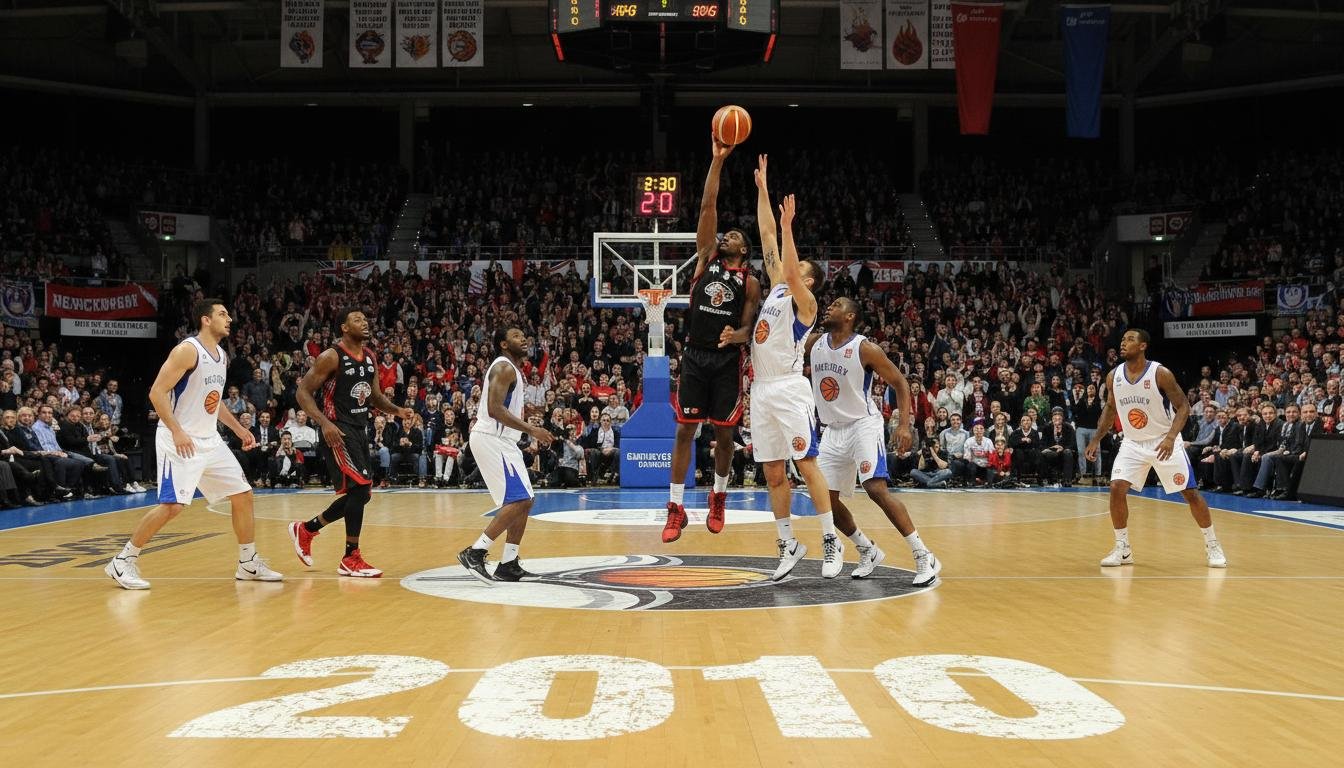
I remember watching a midweek game in Newcastle around 2010 where the crowd energy felt bigger than the building. The click of sneakers, chants after defensive stands, and youth teams on court at halftime conveyed a community that owned the club rather than merely attended a fixture.
Those evenings crystallised why certain teams mattered: it wasn’t just trophies, it was the way they stitched themselves into local life. Clubs that created that atmosphere tended to enjoy more sustainable attendance and local sponsorships, which fed back into better competitive prospects.
Why 2010 still matters for British basketball
The patterns visible in 2010 — investment-led projects, community-anchored clubs, and an improving national programme — shaped the next decade of development. Some clubs expanded their brands and youth systems, while others learned hard lessons about financial stability and long-term planning.
Looking back, the teams that combined on-court ambition with community foundations were the ones that left the most durable legacies. Those lessons remain relevant for anyone thinking about building a club today: balance competitiveness with sustainability, and success will have a better chance of lasting.
Sources and further reading: