The 2010 season was a turning point for French club basketball: a mix of emerging talent, established powers, and clubs making their mark in Europe. This article looks back at the teams that defined French basketball around 2010, why they mattered then, and how their strengths and strategies shaped the domestic league. Expect context, a few on-court examples, and sources to follow for deeper reading.
Cholet Basket: the surprise champion
Cholet Basket walked away with the LNB Pro A title in 2010, and the achievement still stands as the centerpiece of that season’s narrative. The club had built a balanced roster of young French talent and savvy role players, producing a team that could execute on both ends of the floor when it mattered most.
That championship mattered beyond the hardware. It showcased the French system’s ability to develop homegrown players capable of leading at a high level, and it raised Cholet’s profile in Europe for subsequent seasons. For fans who followed the playoffs, Cholet’s run felt like a case study in disciplined defense and timely shot-making.
Le Mans Sarthe Basket: consistent contender
Le Mans had the look and feel of a club that belonged at the top every year. In 2010 they were among the closest challengers to Cholet, relying on a veteran core and a strong domestic development program that regularly produced high-level professionals.
What set Le Mans apart was organizational stability: steady coaching, a coherent recruiting philosophy, and a crowd that understood the club’s identity. Those elements kept them competitive in domestic play and made them a frequent participant in playoff discussions across the decade.
ASVEL Lyon-Villeurbanne: history and ambition
ASVEL is one of French basketball’s historic pillars, and around 2010 the club was rebuilding toward a return to dominance. With deep roots in Villeurbanne and strong local support, ASVEL combined ambition with the resources to chase trophies and bring in talent.
Even in seasons when they fell short of the title, ASVEL’s name signaled serious intent. Their youth pathways and partnerships with corporate backers set a template for how French clubs could marry community support with professional growth.
SLUC Nancy and Pau-Orthez: recent champions and tradition
SLUC Nancy had claimed the Pro A crown a couple of years earlier and remained a force to be reckoned with in 2010. Their model—mixing experienced veterans with players on the rise—kept them in playoff conversations and made them a tough matchup for any opponent.
Élan Béarnais Pau-Orthez carries a different kind of weight: deep history. Pau-Orthez was one of France’s most decorated clubs, with a tradition of strong domestic performances and a reputation for producing passionate, disciplined teams. That pedigree mattered on and off the court, shaping expectations whenever they hit the hardwood.
Chorale Roanne and BCM Gravelines: punching above their weight
Smaller-market teams like Chorale Roanne and BCM Gravelines often played with a chip on their shoulder in 2010. Roanne had enjoyed success earlier in the decade and continued to be competitive, frequently mixing in disruptive guards and energetic defenses that could confuse bigger-budget clubs.
Gravelines, likewise, was known for maximizing its resources. These clubs emphasized tight rotations, strong team defense, and home-court toughness—ingredients that make league play unpredictable and exciting.
Limoges CSP: legacy and resurgence
Limoges CSP’s past is one of French basketball lore, including a European title in 1993 that remains a proud chapter. By 2010 the club was navigating the challenges of rebuilding and reconnecting with that legacy, aiming to reestablish itself among France’s elite.
Legacy clubs like Limoges bring a cultural memory to the league: they remind fans and younger players what French clubs can achieve at the continental level, and they set higher expectations for organizational professionalism.
Youth development and the rise of future stars
The late 2000s and 2010 marked a fertile period for French player development. Academies and club training programs were producing players with a European skill set and the toughness to compete professionally. The success of the 2010 clubs owes much to those pipelines.
Watching a Pro A game then, you could see prospects who would later move to bigger European clubs or the NBA taking important minutes. That era helped cement France’s reputation as a country capable of producing two-way players with strong fundamentals.
Style of play and tactical trends in 2010
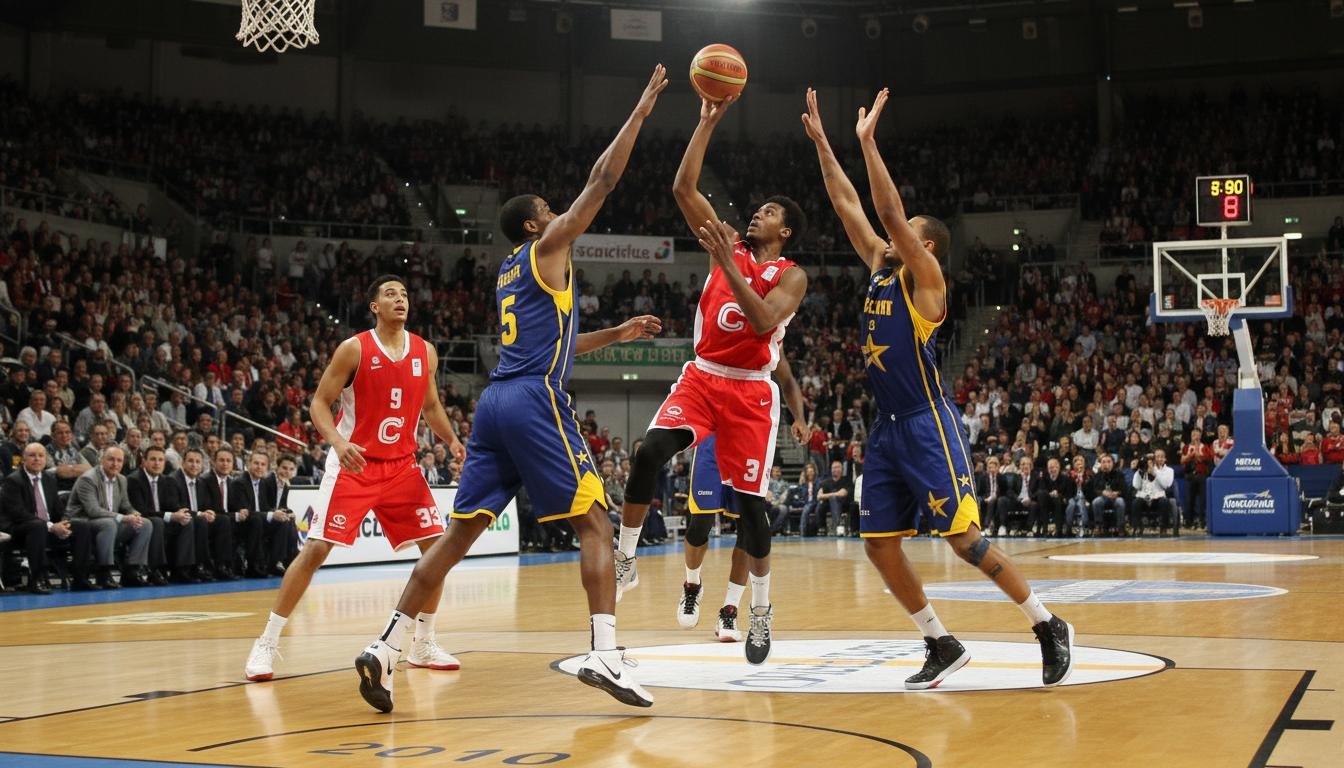
Offenses in Pro A around 2010 favored ball movement and spacing more than the isolation-heavy sets of earlier decades. Coaches emphasized pick-and-roll variations, outside shooting, and quick rotations on defense—trends that anticipated larger shifts in European basketball.
Defensively, teams that succeeded combined disciplined help defense with aggressive closeouts. Many of the season’s most memorable games were low-possession affairs decided by turnovers and execution in the final minutes.
European competition and international exposure
French clubs in 2010 were increasingly visible in European competitions. Participation in Euroleague and Eurocup matches provided valuable experience against different playing styles, and it raised the profile of Pro A clubs beyond national borders.
That international exposure helped French teams recruit and also allowed coaching staffs to import tactical ideas that would filter back into domestic play. For many clubs, the calendar balance between domestic commitments and European travel was a test of depth and resources.
Fan culture and arenas
Part of what made the 2010 season memorable was the fan experience. From the intimate atmosphere in smaller arenas to the louder, older venues of historic clubs, French fans brought a blend of creativity and loyalty that energized home teams.
I remember attending a late-season Pro A game in 2010 where the crowd’s chants and quick tempo turned the arena into a pressure cooker; moments like that can swing close games and define a team’s home identity for years.
Looking back: what 2010 taught French basketball
The 2010 season underscored that championships can come from smart development and shrewd roster construction as much as from big budgets. Clubs that prioritized cohesion, coaching, and youth development often outperformed expectations.
Many clubs that were strong in 2010 set foundations—organizationally and culturally—that would influence French basketball for the next decade. The season remains a useful case study for how strategy and structure interact with on-court talent.
Recommended reading and sources
For a season overview and playoff results, the 2009–10 LNB Pro A page provides a useful summary of standings and statistics. The LNB archive and club pages offer official records and historical context for the teams discussed above.
Sources and experts:
- 2009–10 LNB Pro A (Wikipedia)
- Ligue Nationale de Basket (LNB) official site
- Cholet Basket (Wikipedia)
- Eurobasket — Pro A 2009–2010 season
- Limoges CSP (Wikipedia)
Whether you’re revisiting the season for nostalgia or studying how clubs built long-term success, the 2010 snapshot of French basketball is full of lessons: strategy matters, development pays off, and the right mix of culture and talent can propel any team into contention.