Brazilian basketball has been quietly reinventing itself over the past decade, and by 2026 the domestic scene looks sharper, faster, and more competitive than many expected. This article walks through the clubs most likely to define the landscape, the ingredients that put them at the top, and why fans both in Brazil and abroad should be paying attention.
What separates the elites from the rest in 2026?
Talent on the roster is obvious, but depth and structure matter even more. The best clubs now combine a core of experienced veterans with multiple young players coming through club academies, which gives them resilience across a long season and in continental tournaments.
Off-court strengths—stable budgets, quality coaching staffs, and professional management—translate directly into success. Teams that invest in analytics, scouting, and player development can turn promising prospects into reliable rotation pieces faster than rivals that rely on short-term signings.
Clubs leading the charge
Below are the teams that, heading into 2026, look positioned to compete for domestic titles and make noise in regional competitions. Each profile highlights why the club matters now and the trends that could keep it relevant.
Sesi/Franca Basquetebol
Franca has the aura of a traditional power and the practical strength of a well-run project. Their youth pipeline and strong local support provide a steady stream of talent, while a professional front office focuses on continuity rather than overnight rebuilds.
On the court, Franca blends disciplined defense with efficient ball movement. Their reputation for developing guards and perimeter scorers keeps them competitive in the NBB and attractive to players who want both playing time and exposure.
Clube de Regatas do Flamengo
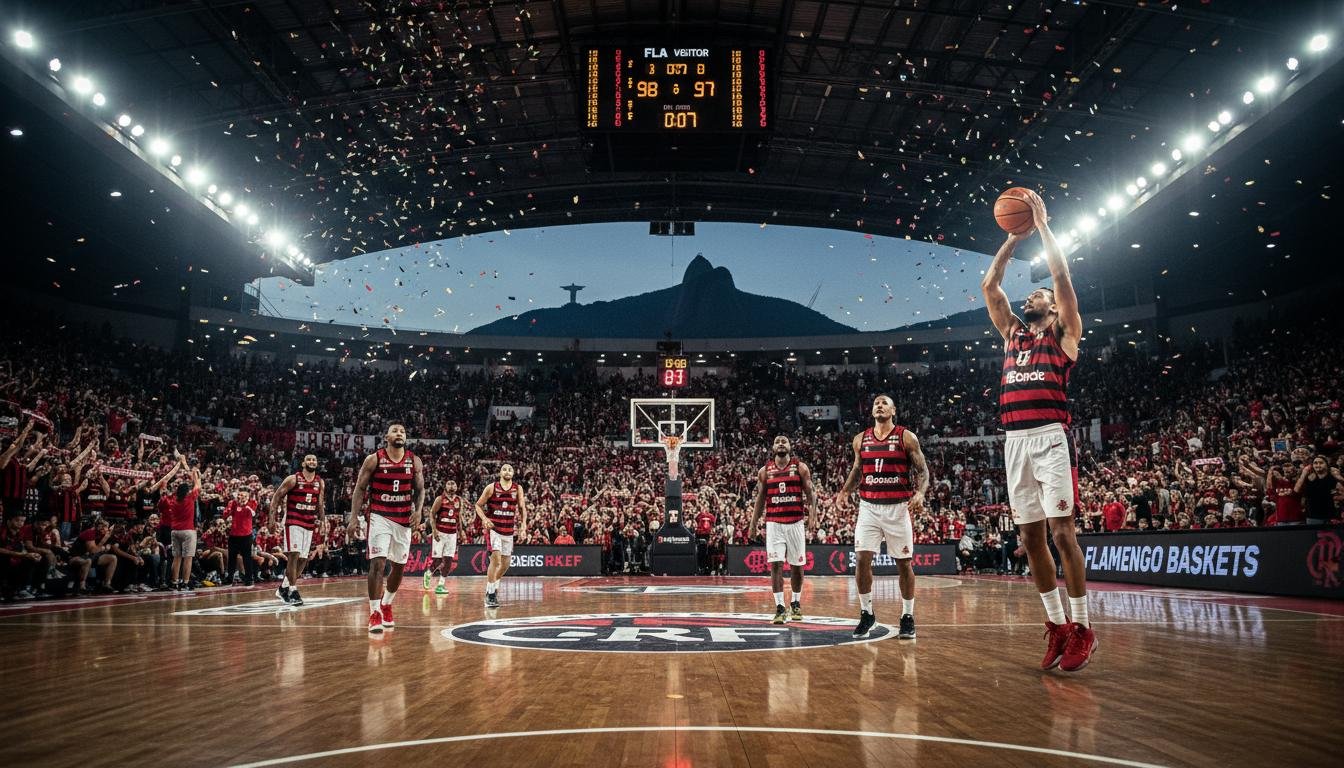
Flamengo remains Brazil’s closest thing to a global club brand, with resources that let them assemble experienced rosters and pursue high-profile coaching hires. Their marketing reach and sponsorship deals make Flamengo a perennial contender in domestic play.
The club’s ability to blend marquee signings with committed role players gives them flexibility in playoff series. Flamengo’s fans and facilities create a pressure environment that visiting teams often struggle to match.
Minas Tênis Clube
Minas has cultivated a reputation for smart scouting and player development. Instead of relying solely on big names, they emphasize system play and player versatility—traits that pay off in tight playoff games and against international opponents.
Several of their recent veterans have gone on to stable careers in stronger leagues, which reinforces Minas’ attractiveness to young talent looking for a launching pad. Their academy focus makes them one to watch beyond 2026 as well.
Gocil Bauru
Bauru mixes physicality with a well-drilled offensive identity. Historically a tough opponent at home, they leverage regional pride and a consistent coaching philosophy to remain competitive season after season.
Investment in coaching continuity and tactical preparation has helped Bauru win close games and stay relevant in league standings. Their local scouting also uncovers hidden prospects who fit the team’s style.
São Paulo FC
Backed by a major sports organization, São Paulo FC benefits from broader institutional support and strong facilities. That infrastructure translates to better training conditions, medical care, and player welfare—factors that matter over a long campaign.
The club has been increasingly ambitious in roster construction, blending experienced domestic players with imports who complement the team’s tempo. São Paulo’s identity is still evolving, but their resources keep them in title conversations.
Paulistano and Esporte Clube Pinheiros
Both São Paulo–based clubs emphasize coaching, tactics, and homegrown talent. Paulistano is known for a disciplined, half-court approach, while Pinheiros often fields versatile athletes who can switch positions defensively.
These clubs excel at developing players who are fundamentally sound and adaptable. Their models prove effective against flashier, star-driven teams and are likely to keep them as steady competitors into 2026.
Quick reference: teams to follow in 2026
This compact table summarizes the teams above and the core reason to watch each one. Use it as a snapshot if you want to follow Brazil’s top clubs across a season.
| Team | City | Why watch |
|---|---|---|
| Sesi/Franca | Franca | Strong academy and consistent front office |
| Flamengo | Rio de Janeiro | Resources, brand reach, and playoff depth |
| Minas | Belo Horizonte | Smart scouting and player development |
| Bauru | Bauru | Tactical cohesion and home-court toughness |
| São Paulo FC | São Paulo | Institutional backing and improving roster construction |
| Paulistano | São Paulo | Disciplined systems and coaching stability |
| Pinheiros | São Paulo | Versatile athletes and developmental focus |
Rising clubs and the importance of development
Beyond the historic names, smaller clubs are gaining traction thanks to more professional youth setups. Investment at the grassroots—from city leagues to school programs—feeds a broader talent pool and raises the overall level of competition.
Some modestly funded teams are becoming known for one thing: producing guards who can play multiple positions or forwards with perimeter skills. Those players are valuable in a modern game where switching and spacing rule the day.
Competitions that matter for 2026
The NBB remains the bellwether of Brazilian club basketball, but international tournaments increasingly shape priorities. The Basketball Champions League Americas and qualifiers for global events force clubs to balance domestic ambitions with continental travel and roster load management.
Teams that can rotate deep and maintain defensive identity across competitions will likely succeed in 2026. That’s why front offices focused on long-term depth rather than short-term signings hold an advantage.
Fans, finances, and the broadcast era
Attendance and broadcast deals are improving, slowly but steadily. A healthier commercial picture attracts sponsors, who in turn provide the stability necessary for smart roster building and coaching retention.
Fan culture in Brazil remains a powerful competitive factor. When arenas are loud and organized—because the club connects with the community—visiting teams feel the pressure. That intangible advantage is often decisive in playoff basketball.
A personal note on watching the game grow
I’ve watched NBB matches on TV and in small arenas and seen how tactical sophistication has risen. Games are cleaner: fewer isolation possessions, more movement and planned defensive schemes. That evolution makes watching Brazilian basketball more satisfying for the fan who loves structure as well as flair.
It’s also been encouraging to see clubs invest in sports science and youth coaches, which makes long-term success feel earned rather than purchased. Those investments are the quiet drivers behind the teams likely to top the standings in 2026.
Where things might tilt in 2026
Expect a tight race where off-court planning matters as much as on-court talent. Clubs that combine a sustainable financial model, a deep roster, and a coherent playing identity will be the ones lifting trophies and drawing attention abroad.
For fans and observers, the most exciting part will be watching young prospects evolve. Some of the best names in Brazil’s 2026 squads will be players who arrived as teenagers and benefited from clearer pathways to professional minutes.
Sources and experts
- Novo Basquete Brasil (LNB) — official league information and club pages.
- Confederação Brasileira de Basketball (CBB) — national federation resources.
- FIBA — international competition context and rules.
- LatinBasket — rosters, transfers, and club histories for South American teams.
- ESPN Brasil — reporting on major league storylines and commentary.