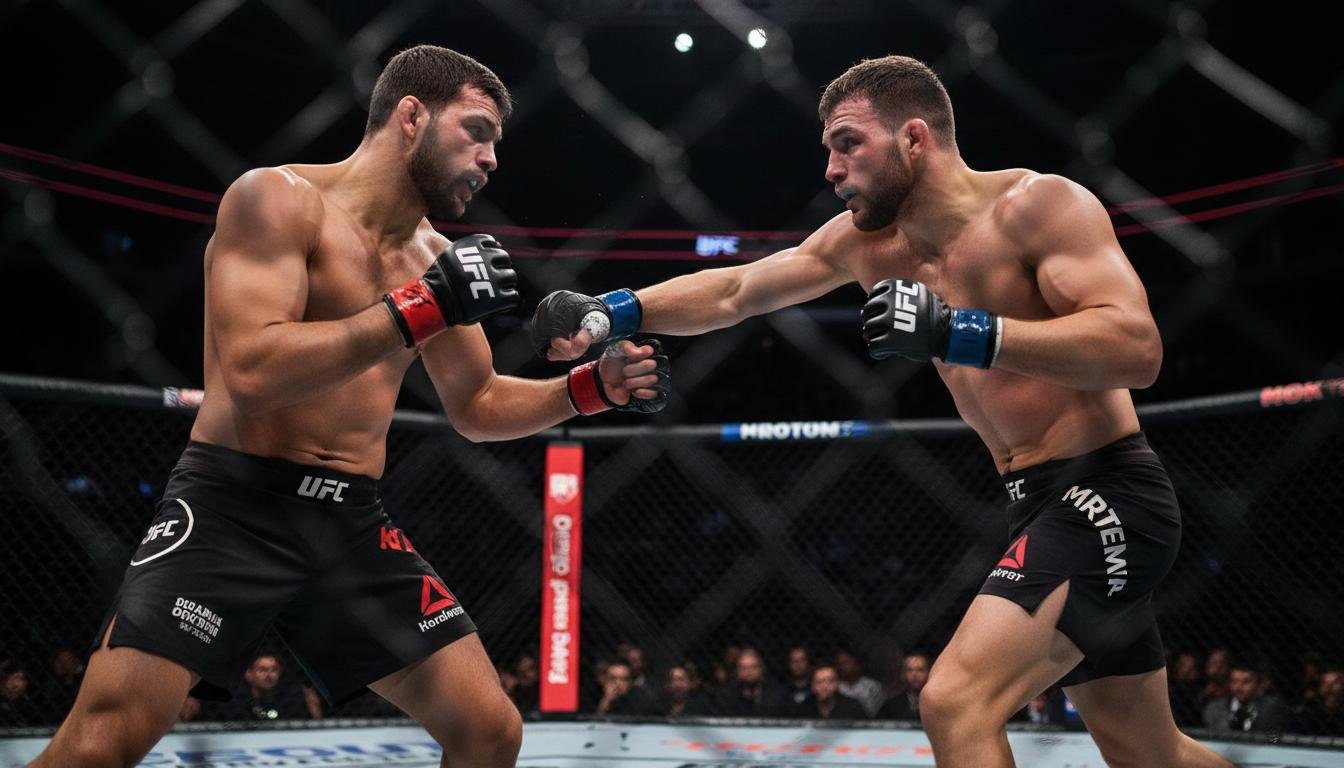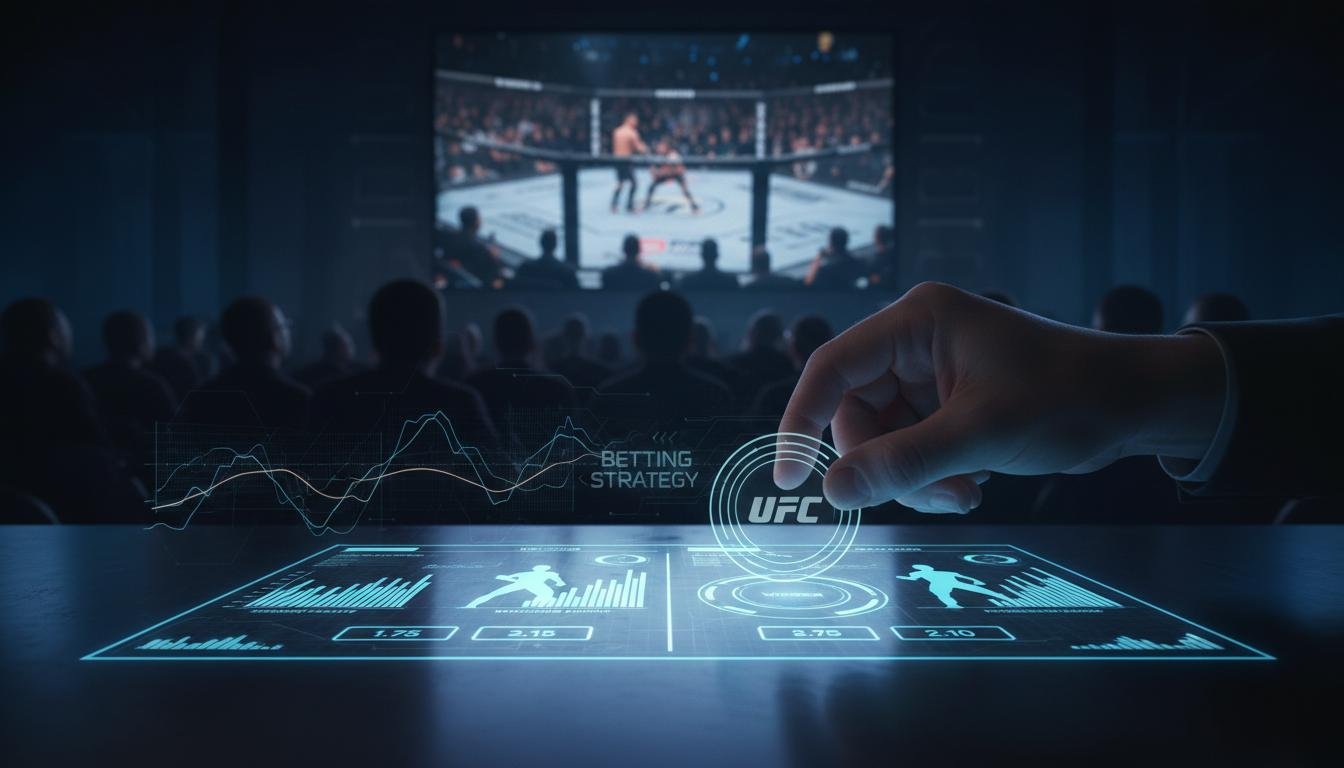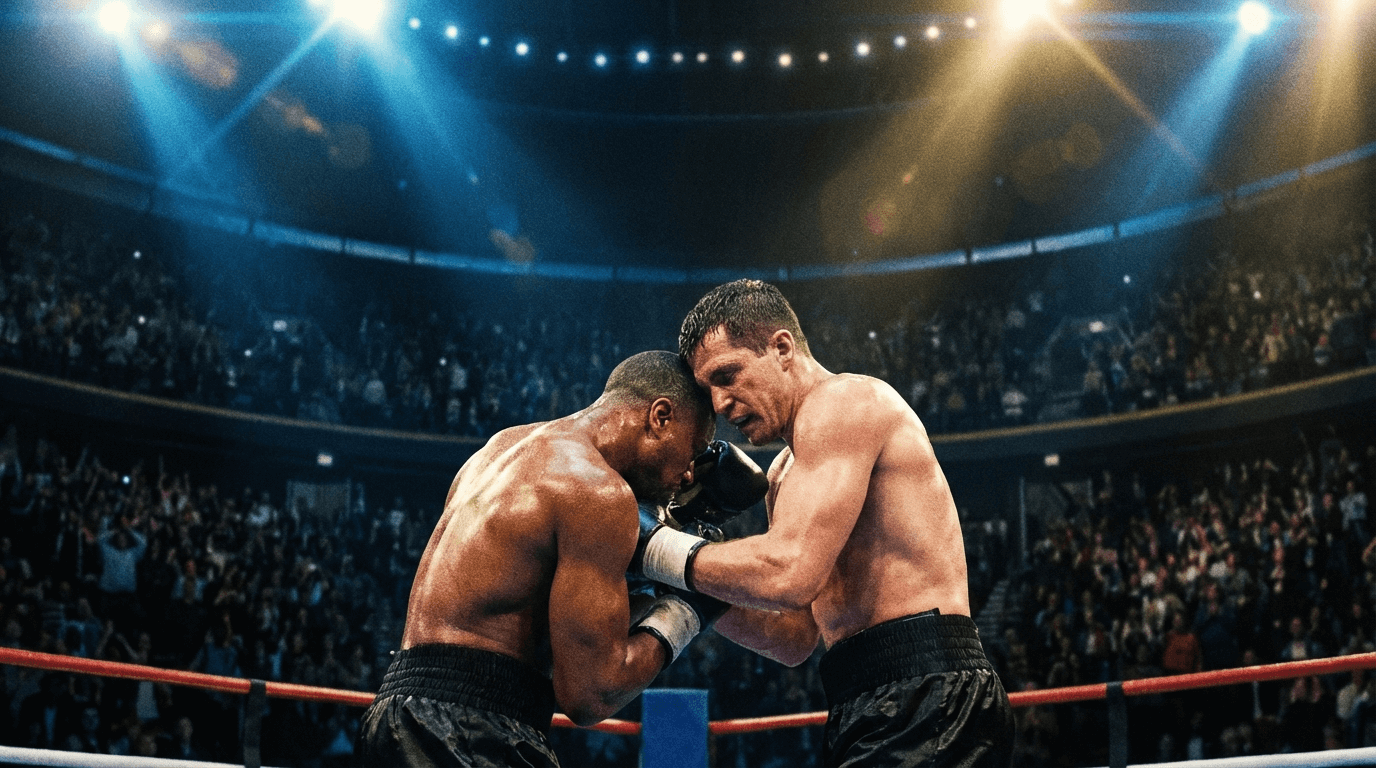
Counterpunchers are the furtive artists of the ring: they wait, read, and explode when the opponent leaves a crack. For bettors, that patient style creates distinct edges but also requires patience and a sharper eye than backing obvious favorites. This article maps the practical, market-focused approach to wagering on fighters who thrive on timing and reaction rather than relentless pressure.
Understand the counterpuncher style
Counterpunchers prioritize defense, distance control, and timing. They typically absorb fewer shots per round, deliver fewer but more accurate punches, and rely on reading opponents’ patterns to create high-value windows for strikes.
That quieter stat line—lower output, higher accuracy—can mislead casual observers and some oddsmakers. A counterpuncher’s value often appears late in a fight or in rounds where an aggressor tires and becomes predictable.
How to spot counterpuncher opportunities in betting markets
Market inefficiencies show up when public money favors an aggressive stylist regardless of matchup subtleties. Spotting opportunities means matching style to opponent traits: look for punch-happy fighters who leave openings, and for counterpunchers with tight defense and crisp timing.
Pre-fight odds can underprice counterpunchers when bookmakers overweight recent KO highlights from opponents or ignore detailed punch stats. The smart bettor factors in matchup geometry—who governs range, who telegraphs shots, and who tends to panic when pressured.
Key stats and signals to watch
CompuBox metrics and round-by-round punch maps are invaluable for profiling counterpunchers. Focus on connect percentage, power-punch percentage, and punches absorbed per round rather than just total output.
Also watch a fighter’s late-round performance trends and sparring/training reports that reference timing drills or counter-focused game plans. Trainers’ reputations matter: a fighter coached by a tactician known for defensive systems is likelier to execute a counterpunching approach under pressure.
| Metric | Why it matters | Counterpuncher profile |
|---|---|---|
| Connect % | Shows efficiency—higher means fewer wasted punches | 50%+ overall with higher power-punch efficiency |
| Punches absorbed/round | Lower numbers indicate tight defense | Under opponent average by 10–20% |
| Late-round accuracy | Ability to capitalise when opponent tires | Maintains or improves accuracy after round 6 |
Betting tactics tailored to counterpunchers
Value often appears in three forms: the pre-fight moneyline when public bias favors the aggressor; alternate lines that undervalue a counterpuncher’s late-round chances; and live bets that exploit round-level shifts. Each avenue requires different timing and sizing.
Pre-fight value is real when a counterpuncher’s skill set lines up with an opponent who telegraphs. Shop lines early to catch bookmakers before they adjust to public narratives or late money. Conversely, leave flexibility to strike in-play when the fight’s rhythm reveals itself.
Bet types and when to use them
Moneyline bets are straightforward but often low-return unless you find a mispriced underdog. Round betting—backing specific rounds or round ranges—can amplify value for a counterpuncher who tends to score later in fights. Method-of-victory markets (decision vs. KO) also offer edges when the stylistic matchup suggests a points win.
Use parlays sparingly with counterpunchers; correlated outcomes can look attractive but inflate variance. Instead, favor single bets or small, logically correlated combinations such as “counterpuncher to win + over 6.5 rounds” when those lines reflect the matchup reality.
- Pre-fight moneyline: Use when odds show clear mismatch with stylistic fit in favor of counterpuncher.
- Round range bets: Best for fighters known to pick openings mid-to-late fight.
- Method markets: Choose decision for tactical matchups; KO/late KO if historical finishing suggests sudden counters.
Bankroll and staking plans for patience-based strategies
Counterpunching bets can require waiting for in-play adjustments or accepting longer fights; manage bankroll accordingly. Adopt a flat-percentage staking method to avoid overexposure during stretches of variance that come with lower-volume, higher-edge bets.
For many bettors, 1–2% of bankroll per selection is prudent when taking pre-fight or live positions on counterpunchers. Increase unit size slightly only when multiple independent signals align—strong punch stats, match footage confirmation, and favorable market movement.
Live betting: timing is everything
Live markets are where counterpuncher value often crystallizes. Early rounds let you watch if the aggressor is reckless or cautious; once a pattern emerges, lines move quickly. Enter live when you see consistent openings created by the opponent, especially as fatigue sets in.
Trust visual cues: a flurry that leaves the aggressor bent forward, shoulders low, or arms wide is an invitation. Place modest, well-timed bets in the round immediately following repeated missed attacks rather than waiting for obvious damage that will already be priced into the market.
Common pitfalls and how to avoid them
One frequent mistake is conflating low activity with lack of effectiveness. A counterpuncher’s success often shows in accuracy and round control rather than flashy volume, so don’t dismiss small punch tallies without context. Read composure and ring control, not just punch counts.
Another trap is overreacting to highlight-reel KOs from opponents; a single spectacular finish can skew public perception. Counterpunchers thrive on opponents who overcommit—those highlights can be a signal of vulnerability, not dominance, if the underlying defense is weak.
Case studies and practical examples
Juan Manuel Marquez’s knockout of Manny Pacquiao in 2012 is a textbook example: Marquez absorbed pressure, waited for a telegraphed left hand, and finished decisively. In betting terms, a patient bettor who recognized Marquez’s timing and Pacquiao’s occasional aggression could have found favorable lines in method markets.
Another example is Floyd Mayweather’s career pattern against big punchers; his ability to control distance and counter led to many decision wins rather than early KOs. Bettors focused on rounds and decision markets often found more consistent value backing his style against power-focused opponents.
In my own experience following regional circuits, I’ve seen live odds swing dramatically after the first rounds reveal a tactical mismatch. A counterpuncher who maintains composure while the opponent’s output collapses often gets priced correctly only after that collapse. Acting early—once the pattern is clear but before sharp books adjust—wins value over time.
Practical checklist before placing a counterpuncher bet
Run a quick pre-bet checklist: confirm historical accuracy and late-round trends, watch recent tape to verify timing and defense, check trainer notes for counter-focused game plans, and compare line movement across sportsbooks to spot soft markets. Discipline in process beats gut reactions.
Keep a small tracker of your counterpuncher bets: bet type, odds, rationale, and outcome. Over months, patterns will reveal which signals are predictive for your approach and which are noise.
When to fold a counterpunching angle
If a counterpuncher lacks mobility or shows declining reflexes on tape, avoid backing them regardless of matchup. Similarly, if the opponent demonstrates an ability to reset distance quickly and control the ring through feints and footwork, the matchup advantage flips away from the counterpuncher.
Market behavior can also signal a retreat: heavy sharp money shaving lines quickly, or an unusually wide spread across reputable books, suggests insiders or pros are disagreeing with the counterpuncher angle. Respect that information and reduce stake size accordingly.
Final tips and reading list for deeper study
Stay film-first: stats inform, but footage confirms. Develop a short list of trainers, analysts, and metrics you trust and return to those sources often to calibrate your intuition. Consistency in sources and a humble, evidence-based approach compound into long-term returns.
Betting on counterpunchers rewards patience and nuance. If you can wait for the right signals, size stakes rationally, and act decisively in live markets, the style offers a steady stream of small edges that add up.
Sources and experts
- CompuBox – Punch statistics and analysis
- BoxRec – Fight records and historical data
- The Ring – Boxing analysis and trainer interviews (Teddy Atlas, Freddie Roach)
- ESPN Boxing – Fight reporting and trainer commentary
- Pinnacle – Sports betting markets and strategy articles
Full analysis of the information was conducted by experts from sports-analytics.pro