Betting on UFC fights mixes strategy, statistics, and nerves in equal measure, and losing feels louder than winning. This guide pulls together practical rules, analytical tools, and psychological tricks used by seasoned bettors and sports analysts to tilt the odds in your favor.
Start with the sport: know styles, camps, and the subtleties
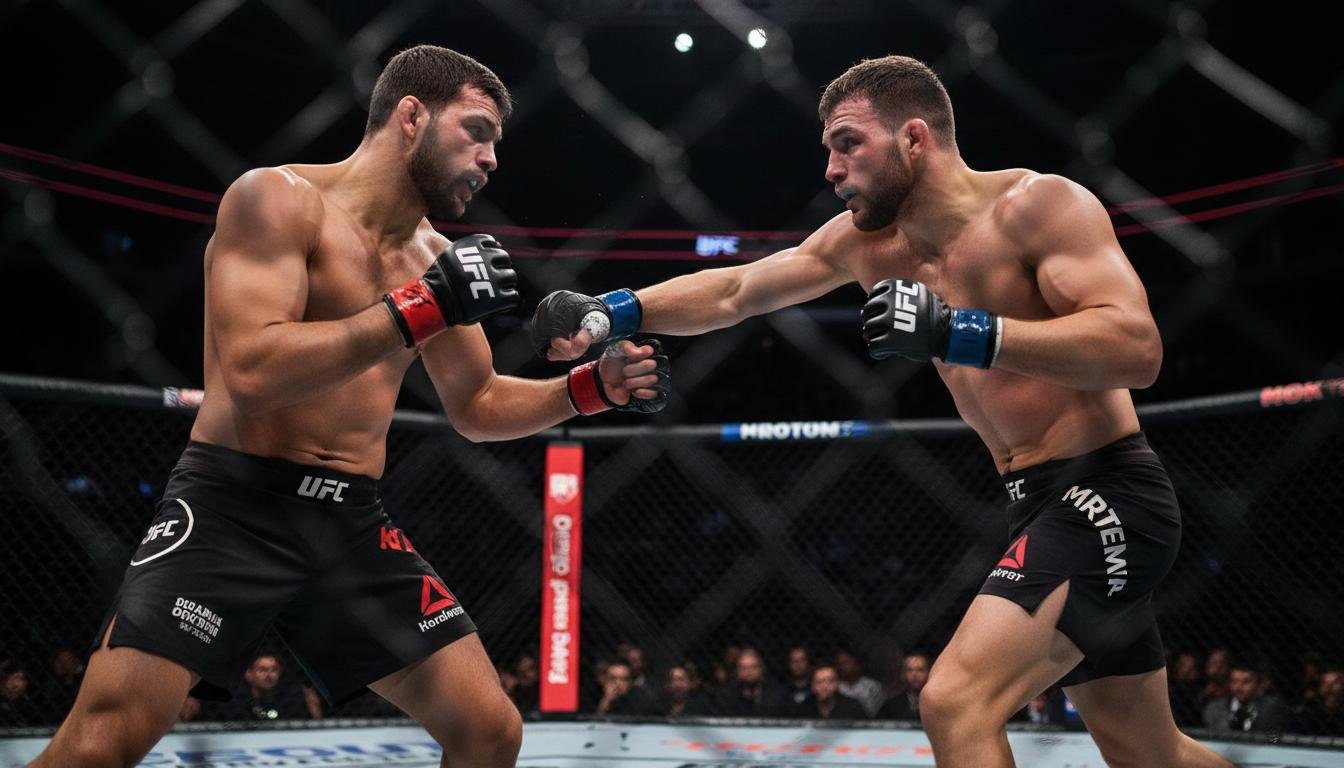
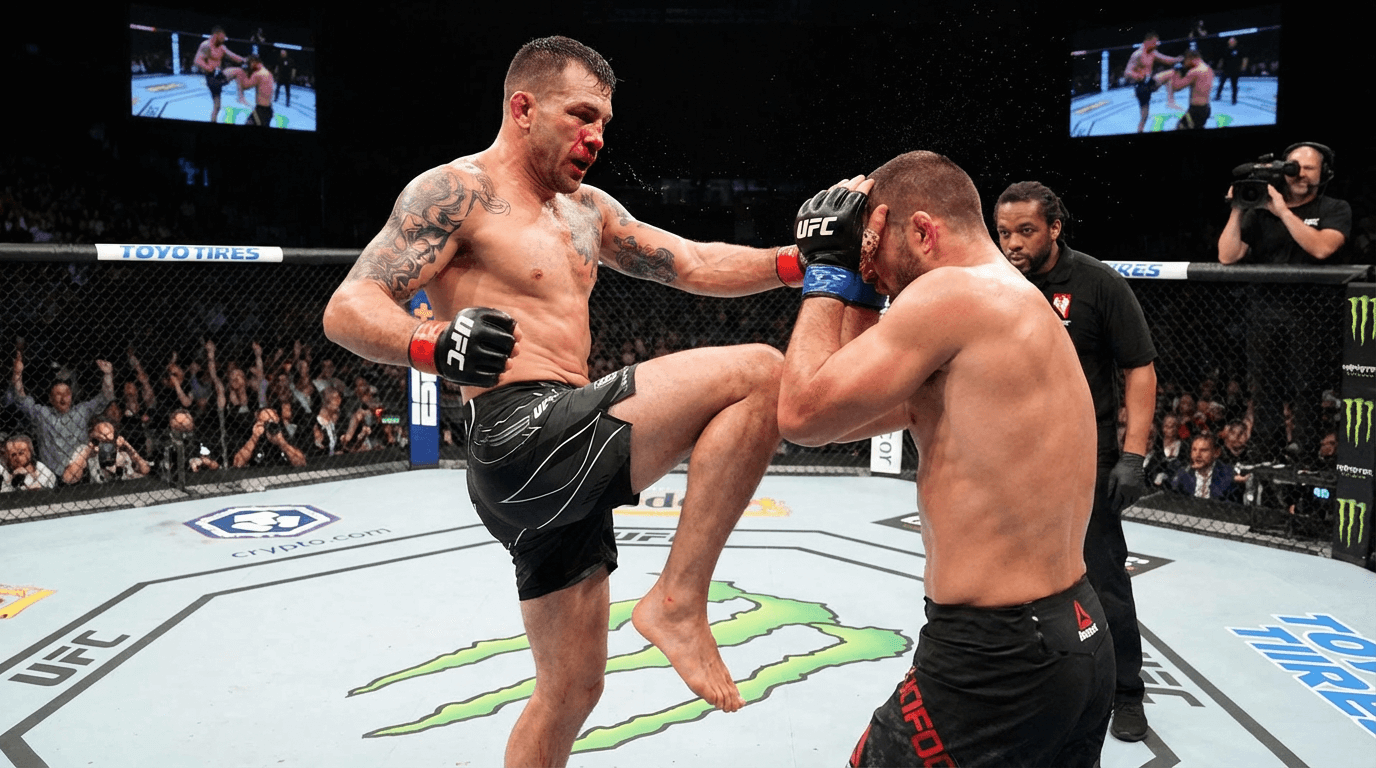
UFC fights aren’t chess matches you can solve with a single stat; they’re the collision of styles, training camp quality, and human variables like weight cut and injury. Before you place a bet, study how each fighter typically wins and loses—strikers who dominate distance, wrestlers who grind and control, and jiu-jitsu specialists who seek submissions under pressure.
Look beyond record and nickname. A 20–2 record tells you little if those wins came against poor opposition or if the fighter has relied heavily on one technique that a particular opponent neutralizes. Patterns matter: fighters who frequently finish early may be vulnerable if the opponent survives the opening flurry and drags the fight into later rounds.
Bankroll management: the single biggest defense against losing
Treat your bankroll like a business account, not a hobby cashpile. Decide on a dedicated bankroll you can afford to lose, then size individual bets as a small percentage of that bankroll to survive variance and capitalize on edges when they appear.
Many experienced bettors recommend flat-percentage staking rather than chasing bets after losses. Use conservative percentages—1% to 3% per fight for standard bets, smaller for longshots or markets you’re less confident in. This approach prevents one bad night from wiping you out and keeps your psychology intact.
Why the Kelly Criterion helps, and why to use it cautiously
The Kelly Criterion is a mathematical formula to size bets according to edge and bankroll. In theory it maximizes long-term growth if you can accurately estimate your edge; in practice those edge estimates are noisy for combat sports, so bettors often use a fractional Kelly to reduce volatility.
Use Kelly as a guide rather than a strict rule. If your model says you have a 10% edge but you’ve only tested that model on a small sample, betting the full Kelly could blow up your account. A fractional Kelly—betting 10–50% of the Kelly suggestion—balances growth and survival.
Shop lines and treat sportsbooks like vendors
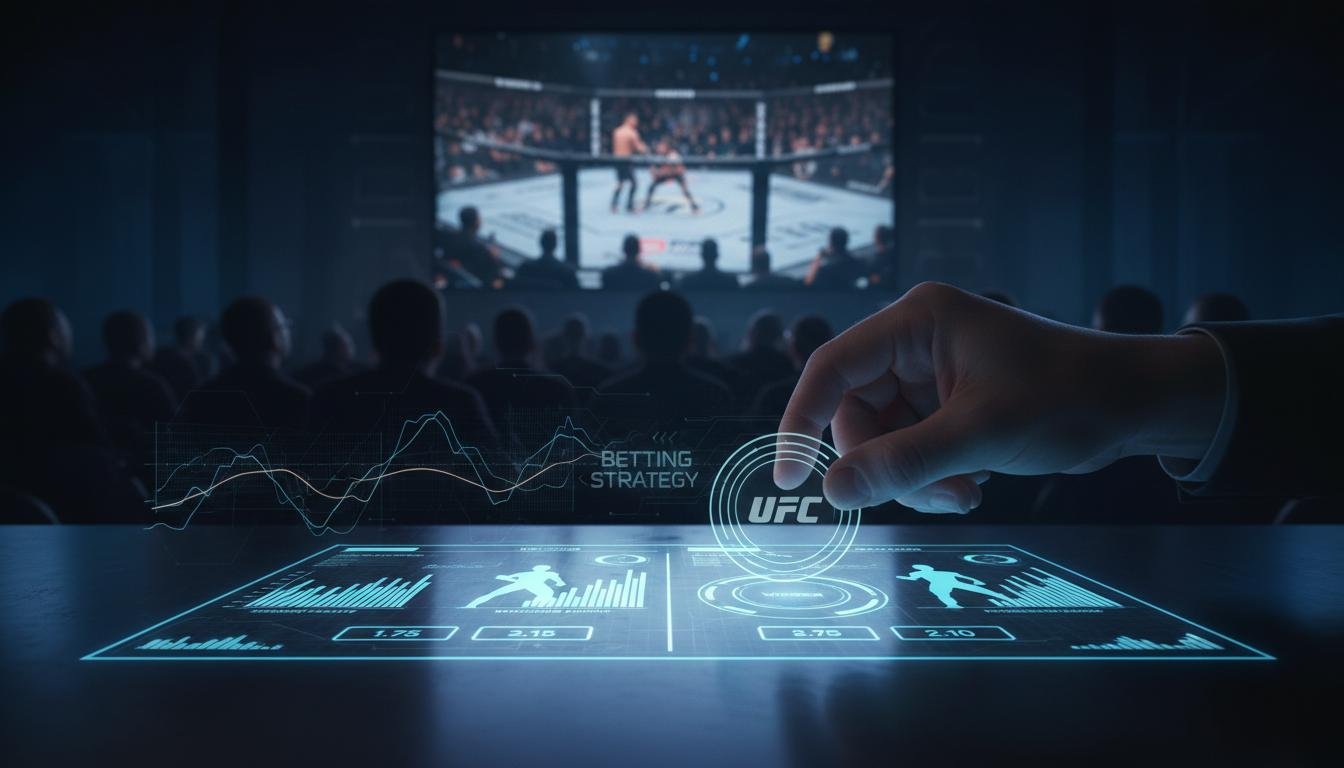
Odds differ across books and move with money and news. Opening an account with multiple reputable sportsbooks is one of the easiest edges available: you can always take the best price. Over time, width in lines translates directly into saved margin and more profitable returns.
Line shopping matters greatly when odds are tight. Moving from -150 to -165 on the favorite might look small, but it changes the implied probability and compounds across many bets. Track a handful of books and use odds-comparison sites to find where value hides.
Understand market structure: which bets to prioritize and which to avoid
Moneyline bets are the backbone of UFC wagering and the easiest to analyze logically, but props and rounds markets offer opportunities if you understand margins and variance. Parlays multiply the sportsbook’s edge quickly and are generally poor value unless you see true independent edges across legs.
Method-of-victory and round props draw casual action and opaque pricing. If you lack a strong, data-supported reason to expect a specific outcome—like a known vulnerability or stylistic mismatch—avoid exotic props or limit stakes to tiny fractions of your bankroll.
Implied probability and expected value (EV)
Convert odds into implied probability before you decide if a bet is fair. For American odds, positive odds convert differently than negative odds; the calculation gives you the market’s view of each fighter’s chance. Subtract the vig (the bookmaker’s cut) mentally to see if your assessment differs significantly from the market.
Expected value is the long-term measure of a bet’s profitability: EV = (probability you assign × payout) − (probability you assign to losing × stake). Even small positive-EV edges compound positively over many bets; negative-EV bets will lose over time no matter how often they win in the short run.
Pre-fight analytics: what metrics actually move the needle
Not all stats are equally useful. Focus on metrics tied to outcomes: significant strike differential, striking accuracy and defense, takedown accuracy and defense, control time, and submission attempts per 15 minutes. These provide a clearer picture of how fights are likely to unfold.
Contextualize every stat. A fighter with high strike output but poor accuracy could still be effective if they overwhelm opponents with volume; conversely, a fighter with excellent defensive numbers might not face the same caliber of opponent. Always compare fighters against similar levels of opposition.
How to combine stats into a simple predictive model
You don’t need a PhD to build a useful model; a logistic regression or weighted scoring system based on three to five core metrics can provide an edge. Assign weights based on observed correlations with outcomes—striking differential might be heavier for stand-up fights, takedown stats heavier for wrestler matchups.
Validate your model on out-of-sample fights and keep a running log of predictions vs. results. Recalibrate when you discover persistent biases: maybe your model undervalues heavy hitters who end fights early, or it overestimates submission specialists who struggle against strong wrestlers.
Stylistic matchups: how to read them correctly
Styles make fights. A classic template: elite wrestlers often neutralize aggressive strikers by controlling position and pace, while elusive strikers can exploit poor timing and footwork. Look for strengths and neutralizers—does the striker’s footwork prevent takedown entries, or is the wrestler elite at securing clinches?
Avoid blanket statements. Not all wrestlers out-grind strikers; cardio, cage control, and top pressure vary widely. Similarly, some strikers possess takedown defense and counter-wrestling skills that defy their stylistic label. Watch tape to see how each matchup unfolded against similar oppositions.
Situational factors that change every line
Short-notice fights, chronic injuries, public weight-cut trouble, and travel or time-zone shifts all matter and often move lines faster than stats can. Late replacements generally perform worse on average, offering value to bettors who spot favorable matchups and account for the decline.
Camp issues and public statements matter, too. A fighter who changed camps, cut out a major sparring partner, or missed media obligations could be signaling larger problems. Monitor reliable media and social channels for true signals rather than rumor-driven noise.
Weight cutting and performance cliffs
Weight cutting isn’t just drama; it changes fight performance. Fighters who miss weight or look drained on fight week often show diminished cardio and punch resistance, and lines typically reflect that drop in expected performance. Backing a fatigued fighter at close to even money is often poor value.
Conversely, fighters who move up a division because they struggled to make weight may improve stamina and power retention. But that improvement has trade-offs in facing naturally larger opponents. Evaluate both sides when weight class changes occur.
Live betting: seize momentum but respect reversion
Live betting in UFC offers immediate opportunities if you can read cardio, damage, and momentum faster than the market. Sudden shifts—an unexpected takedown, a big head kick or an injury—create short windows where prices lag reality and smart bettors can capture EV.
Be aware of reversion to the mean. A flurry that looks decisive could simply be a shot that didn’t land cleanly or a fighter expending energy they can’t sustain. Bet live with a short memory and tight stop-loss discipline: know when to take the profit or step away if your read was wrong.
Psychology: avoid cognitive traps that cost money
Two of the most damaging tendencies are confirmation bias and “tilt” after losses. Confirmation bias leads you to seek evidence that supports your pick and ignore contrary signals; tilt causes you to bet larger or on poorer selections in an attempt to recoup losses quickly. Both trip up even experienced bettors.
To escape these traps, create a pre-bet checklist and enforce mandatory cooling periods after a loss. Keep your stake sizes consistent and record the rationale for every bet in a journal—you’ll disabuse yourself of false narratives by facing cold, recorded data over time.
How to keep emotion from ruining your bets
Set rules: maximum daily exposure, maximum streak of losses before you pause, and a limit on bets placed after one or two sugary drinks. Physical rituals help too; stepping away to watch the fight without placing annoying micro-bets often improves judgment and long-term outcomes.
Professional bettors treat betting like trading, not cheering. If you find fandom driving your wagers—backing favorite fighters irrespective of price—consider creating a separate “fun” bankroll for hedging emotional bets and keep your main bankroll for disciplined, analytic plays.

Record keeping and performance review
Professional bettors maintain detailed logs of every wager: stake, odds, line at the time, rationale, result, and post-fight notes. Over weeks and months you’ll notice patterns—markets where you’re losing, types of props that confuse you, or models that fail under certain conditions.
Review monthly and quarterly. Ask whether your edge comes from a repeatable insight or a short-term lucky streak. Cut strategies that underperform and double down—carefully—on ones that consistently yield positive EV.
A sample record-keeping template
Keep a spreadsheet with these columns: date, event, fighters, market, odds, stake (units), implied probability, your probability, EV, result, notes. The “notes” field is where qualitative observations—short notice, injury, style mismatch—live and often explain variance better than numbers alone.
Over time you’ll develop a personal hit list of valuation mistakes: maybe you repeatedly overrate late replacements, or you underestimate finish rates in lower weight classes. Adjust your model and staking plan accordingly.
Tools, outlets, and data sources the experts use
Authoritative resources matter. UFC Stats provides round-by-round data and striking/takedown breakdowns; Pinnacle’s betting guides and market commentary help you understand sportsbook thinking; FiveThirtyEight and similar analytics outlets offer frameworks for probabilistic thinking. Combine multiple sources rather than relying on a single feed.
Odds aggregators and line-history trackers show how markets move and where sharp money may be placing. Use those in conjunction with fight film and official injury reports for a complete picture. No single tool is magic; the edge comes from blending information efficiently.
Small-scale modeling: an approachable recipe
Start simple: pick three core metrics (e.g., significant strike differential, takedown defense, and finish rate) and normalize them per 15 minutes. Create a weighted score reflecting the importance of each metric in the particular matchup, then convert the score differences into probabilities using historical outcomes as a calibration set.
Backtest on past fights and measure calibration: if your model says Fighter A has a 60% chance and 60 of 100 such cases occur, your model is calibrated. If not, tweak weights or add/remove variables. Small models that are well-tuned often outperform large, noisy ones that overfit the past.
When to trust models and when to go with qualitative insights
Models excel at spotting statistical angles and compounding small edges; they struggle with one-off human variables like abrupt camp changes or undisclosed injuries. Use models for baseline probabilities and adjust only when you can articulate a clear, evidence-based reason for deviation.
Avoid gut adjustments without facts. If you move a model’s implied probability by a wide margin because you “feel” a fighter is destined to win, you’re trading a quantifiable edge for a psychological guess—often a losing decision.
Practical staking examples and a sizing table
Below is a simple guideline table matching bankroll size to suggested unit sizes and conservative max bet recommendations. This is illustrative, not prescriptive—adjust according to your comfort and edge clarity.
| Bankroll | Unit (1%) | Unit (2%) | Max suggested (5%) |
|---|---|---|---|
| $500 | $5 | $10 | $25 |
| $2,000 | $20 | $40 | $100 |
| $10,000 | $100 | $200 | $500 |
Stick to a single percentage plan for standard bets and reserve larger percentages for rare, high-confidence situations backed by model outputs or matched with multiple independent signals. When in doubt, default to smaller units.
Live examples from experience: what won and what burned me
Early in my betting experience I backed a popular striker at short odds against a less-known wrestler because the stylistic narrative favored a knockout. The wrestler closed distance repeatedly, controlled position, and the favorite ran out of gas—my stake vanished. That taught me to weigh takedown defense and guard work more heavily against pressure wrestlers.
Later, I built a small model emphasizing significant-strike differential and takedown accuracy, and it helped me spot underpriced wrestling-heavy fighters against strikers who struggled to defend takedowns. Those consistent small wins, compounded with disciplined staking, outperformed occasional flashy knockout bets over months.
How to handle public bias and media-driven lines
Public money swells on stars and dramatic narratives—conservative bettors can exploit this by fading short-term sentiment when it pushes prices into overvaluation. When a hyped fighter receives heavy public backing, the road to value often runs through the opponent’s advantages and objective metrics.
Don’t confuse volume with insight. Big public percentages do not equal smart money; smart money is often smaller, sharper, and leaves traces in line movement before fight week. Use line history and sharp-watch tools to detect which way the knowledgeable money flows.
Taxes, legality, and responsible gambling
Know the laws where you live. Sports betting is legal and regulated in many jurisdictions, but rules and tax obligations vary. Track your wins and losses accurately for tax reporting and consult a professional when your activity reaches taxable thresholds.
Responsible betting matters for longevity. Set loss limits, know when to walk away, and treat betting as long-term investing rather than instant gratification. If you suspect gambling-related harm, seek help through professional resources in your area.
An expert pre-bet checklist
- Verify the best available odds across books.
- Confirm fighter health, weight cut status, and any camp changes.
- Run your model or checklist and note implied EV and edge percentage.
- Decide stake based on your bankroll plan and confidence level.
- Record your rationale and place the bet—no revisions after emotion.
Using a checklist forces discipline and reduces the chance of impulsive, poorly reasoned wagers, especially when a fight has heavy hype or you’re strongly biased toward one fighter.
Common pitfalls that drain bankrolls—and how to avoid them
Chasing parlays, excessive live-betting without discipline, and betting favorites at poor prices are recurring culprits. Also beware of overfitting models to past events in rapidly changing rosters; combat sports evolve when athletes change camps or develop new tools.
Fight your natural instincts to bet on everything. Sometimes the best bet is no bet—the market offers no edge or the numbers look fair. The discipline to pass on low-EV options conserves capital for genuine opportunities.
When you should deliberately take a loss
Recognize sunk-cost thinking: if new information drastically alters an expected outcome after you place a bet, sometimes hedging or taking a small loss is prudent to preserve future bankroll. This is tactical management, not weakness, when done sparingly and with a clear rationale.
Hedging should not be an emotional reaction to a single bad result; it should be a calculated move when probabilities materially change due to injury, missing weight, or an official stoppage report. Keep hedges transparent in your logs to learn when this tactic helps versus hurts.
Where the real edges live and how to chase them
Edges are rarely in mainstream spectator markets; they hide in niche prop markets, live lines right after an event turns, and in disciplined, repeatable modeling across many fights. Focus on markets you can consistently analyze better than the public—those are the ones that pay over time.
Develop one or two specialties—lightweight method props, short-notice fights, or certain promotions outside the UFC may offer exploitable inefficiencies. As your expertise deepens, expand carefully rather than diluting your edge across too many unfamiliar markets.
Betting smart in the UFC combines research, discipline, and measured risk-taking rather than heroic punts or gut calls. Keep records, stick to a bankroll plan, and let models guide rather than dictate every move. Over time the small edges add up—and losses stop feeling like disasters and start looking like part of the long game.
Sources and expert references
- UFC Stats — https://www.ufcstats.com
- FiveThirtyEight (Nate Silver and data team) — https://fivethirtyeight.com
- The Action Network (analytics and betting experts) — https://www.actionnetwork.com
- Pinnacle (trading team and betting resources) — https://www.pinnacle.com
- Investopedia (Kelly Criterion background) — https://www.investopedia.com/terms/k/kellycriterion.asp
- OddsPortal (odds comparisons and line history) — https://www.oddsportal.com
- ESPN MMA (reporting and fight coverage) — https://www.espn.com/mma/
Full analysis of the information contained in this article was conducted by experts from sports-analytics.pro