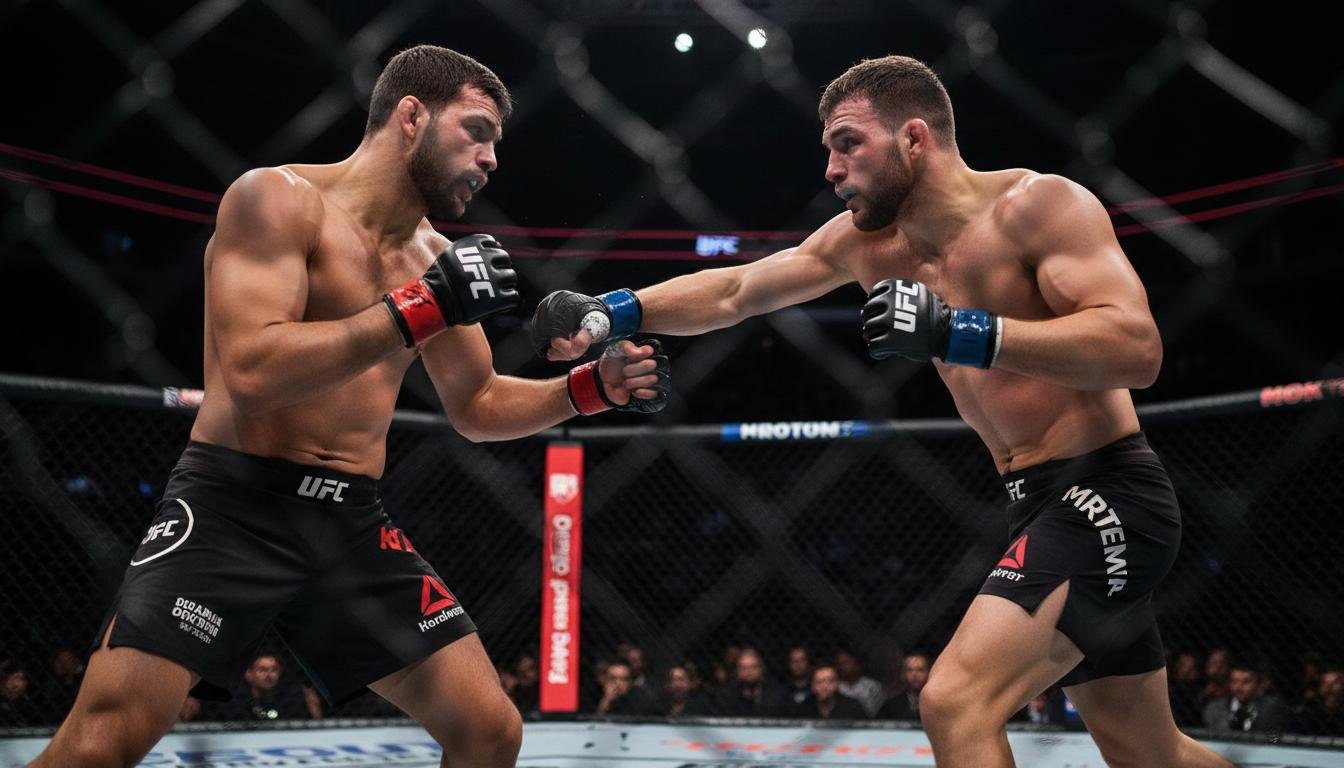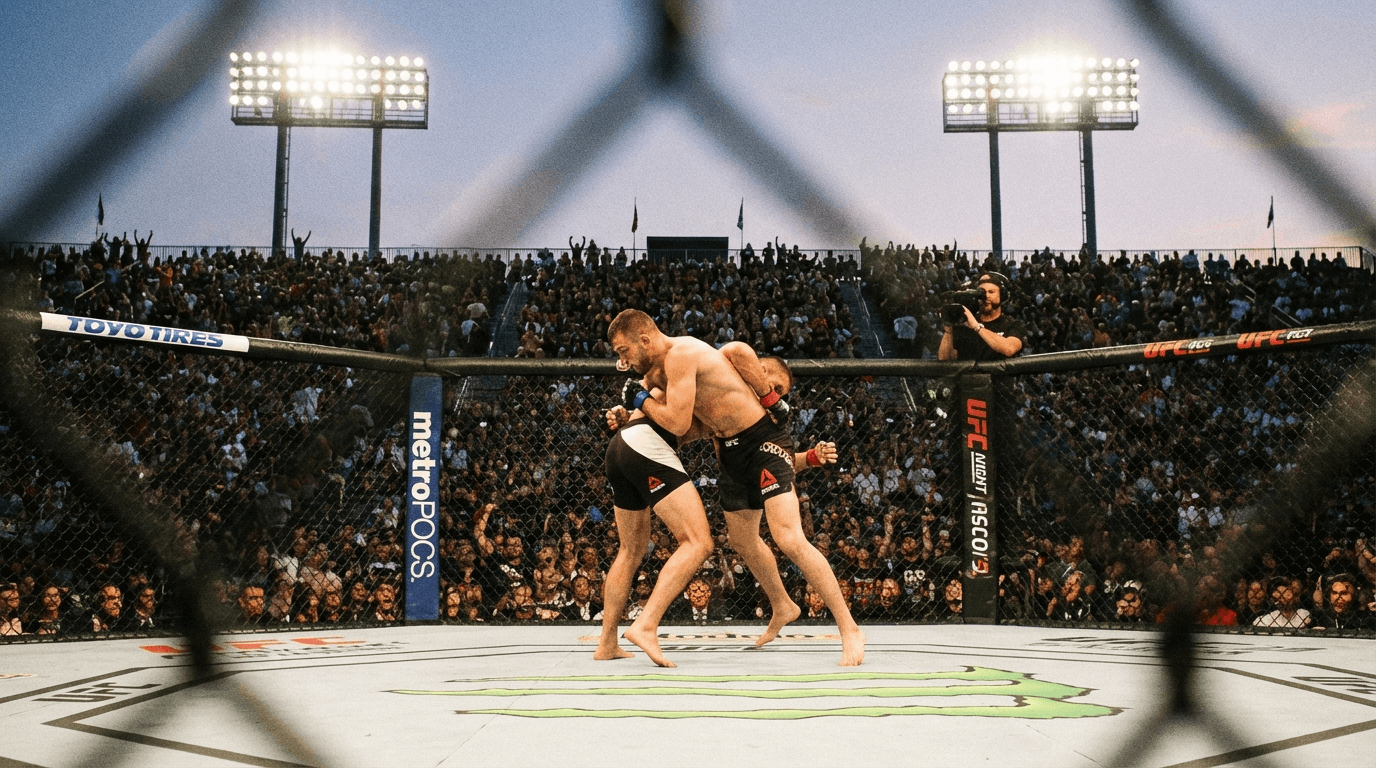
Exposure to takedowns changes a fight’s math more than most bettors realize. A fighter who shuffles backward when a wrestler closes distance doesn’t just lose position — they shift the likely outcome, the round-by-round cadence, and the value in numerous betting markets. Understanding how to read takedown-defense numbers and translate them into smart wagers separates educated bettors from those simply guessing on name recognition.
Why takedown defense matters to bettors
Takedown defense is not an isolated stat; it’s the gatekeeper that determines where the fight happens. If a fighter gets dragged to the mat repeatedly, the fight becomes a contest of scrambles, top control, and ground striking — and those are skills you should be able to predict with data.
Odds reflect more than raw power or popularity. Market makers price in the probability of takedowns altering the tempo and ending conditions. A challenger with elite takedown ability facing an opponent who has historically failed to stop takedowns can dramatically shift implied probabilities for method, rounds, and live lines.
Key metrics to evaluate
When prepping a bet, don’t look at takedown-defense percentage alone. Combine it with opponent takedown accuracy, takedown attempts per 15 minutes, scramble success rates, and top control time. Put these numbers together and you can forecast not just if a fighter will be taken down, but what happens after.
Here’s a compact table of the most useful metrics and what each one tells you at a glance.
| Metric | Why it matters |
|---|---|
| Takedown defense (%) | Shows how often a fighter stops takedowns; low numbers mean more floor time risk. |
| Opponent takedown accuracy (%) | Measures the threat level from the other side — a low-defense fighter facing a high-accuracy wrestler is dangerous. |
| Takedown attempts per 15 min | Reveals intent and pace; high attempts increase the chance a weak defender is repeatedly downed. |
| Control time / top time | Predicts likelihood of stalling a fight or racking up ground-and-pound, affecting round duration and decisions. |
| Submission average | Indicates whether takedowns translate into finish threat or merely positional control. |
Pre-fight betting strategies
Start with the matchup archetype. If a striker with poor takedown defense faces a proven wrestler, the smart money is not automatically on the wrestler’s moneyline — it’s on the markets that profit when the fight goes to the mat. Consider round props and methods offering better value than a muddled favorite price.
Moneyline value appears when a favorite has soft takedown defense and the opponent has mediocre wrestling. In those cases, implied odds may understate the takedown threat because casual money favors the recognizable name. Look for underpriced underdogs in those spots and size your units accordingly.
Another useful angle is round-by-round betting. Wrestlers who consistently push a high pace and attempt many takedowns often win later rounds once their opponent slows. If you see an experienced grappler matched with a striker who gasps after early takedowns, bet later-round props rather than the first round.
Live-betting tactics and signs to watch
Nothing beats watching the first minute of a fight for live-betting setups. If the takedown-hunting fighter lands an early takedown and sustains top time, the live odds for the wrestler’s moneyline or method (submission/ground-and-pound) will tighten quickly. That’s when the market offers fade opportunities on the other side if you think the takedowns won’t persist.
Conversely, if the supposed poor takedown defender shows good footwork and keeps distance early, live lines often overreact toward the striker. Those overreactions can be profitable — especially if you’ve modeled stamina and expect the wrestler to ramp up attempts, not succeed immediately. The timing of when takedown attempts begin matters more than the attempts themselves.
Watch scramble success and quick standups as well. A fighter with poor official takedown defense but high scramble wins can mitigate risk. If live video shows quick standups or strong guard retention, it can justify backing the striker at the mid-fight market even if pre-fight numbers looked bleak.
Prop markets and where value hides
Bettors who focus on props gain an edge because markets are thinner and fewer bettors understand how takedowns shift outcomes. Look for “will be taken down” props, round-specific takedown props, and over/under on total takedowns where the price doesn’t match the matchup profile.
Method-of-victory props are also fertile. A low takedown-defender facing a relentless wrestler is more likely to lose by decision or submission than by KO. That nuance often creates value on the wrestler’s submission or decision market, which is less popular than the straightforward moneyline.
If you prefer parlays, combine complementary markets rather than correlated ones. For example, pairing “fighter loses by decision” with “opponent over 2.5 takedowns” makes logical sense. But avoid stacking highly correlated legs (like “fighter loses” and “opponent wins by submission”) because they narrow variance without adding independent value.
Analyzing styles: what beats a poor takedown defender
Not every wrestler will exploit a poor takedown defender. The most dangerous grapplers are those who blend chain-wrestling with heavy top control and submission hunting. If the wrestler’s game is single-takedown bursts with little persistence, a poor defender who has great striking defense might still survive long enough to win standing rounds.
Look for wrestlers with high takedown accuracy and low takedown attempts that convert at a high success rate — those fighters pick their moments and ruin rhythm. Also seek opponents with strong ground-and-pound or high submission averages because those outcomes shift the method market and increase the likelihood of stoppage.
Bankroll management and unit sizing for high-variance fights
Fights involving a contrast between a high-volume wrestler and a low takedown defender are high variance. You must size bets so a losing streak doesn’t deplete your bankroll. Reduce unit sizes for speculative prop plays and increase them slightly when you find strong mismatches across multiple metrics.
Set stop-loss rules for live betting. If you stake a live bet based on an early takedown and the wrestler fails to secure position in the first two minutes, cut losses. Conversely, use disciplined staking to capitalize when a fighter’s takedown plan succeeds early and the market hasn’t fully adjusted.
Practical checklist before placing the wager
Create a short pre-bet checklist to run through before committing funds. Include these items: confirmation of opponent wrestling pedigree, recent takedown-defense trend (last three fights), striking differential, cardio indicators (recent fight cadence), and whether the fight takes place at altitude or under short-notice conditions.
Also check for trainer notes and recent camp changes. A fighter who switched camps to work with high-level wrestlers could improve takedown defense quickly. Conversely, last-minute opponent changes often favor wrestlers because new opponents have less time to game-plan takedown prevention.
Case studies: what worked and what didn’t
Look back at fights where elite grapplers overcame top-level strikers — they commonly followed a pattern of early pressure, two or three successful takedowns, and then methodical top control. Betting those matches without factoring in ground time often led to losses for bettors who backed the striker simply because of name recognition.
On the other hand, there are notable examples where a low takedown defense stat proved misleading because the opponent failed to impose wrestling. Fighters who are publicly tagged as “bad at takedowns” yet display excellent movement or a high-level guard can swing props back toward the striker. Watching film is essential; numbers start the story but footage confirms intent.
How I apply this at the sportsbook (personal note)
In my own betting, I map three to five core metrics for every matchup and set a threshold where I consider taking a prop or fading a favorite. I’ve learned to size differently when betting live off an early takedown versus pre-fight — the same matchup calls for different unit sizes depending on what I see in round one.
One memorable win came when I backed a late-round prop for a wrestler facing a striker known for weak takedown defense. The wrestler didn’t attempt many takedowns early, so the pre-fight markets underpriced a late charge. When the wrestler’s pace wore the striker down, the round-prop outcome paid handsomely. That’s the sort of scenario I now hunt for systematically.
Common mistakes and how to avoid them
Don’t overreact to a single takedown-defense number. Small-sample noise is real; a fighter who faced historically elite wrestlers might have a skewed stat line. Combine long-term trends with qualitative scouting to avoid false positives.
Also avoid overbetting on celebrity names. Popular fighters often draw casual money that obscures real value. Use objective metrics to size your stake, not fandom or hype.
Tools and resources worth using
Leverage official fight metrics and independent analytics sites for trustworthy numbers. Video breakdowns and analyst write-ups add context that raw percentages can’t capture. Use combination signals — data plus film — before committing to a wager.
Finally, maintain a simple database of your bets with key matchup metrics and outcomes. Over time you’ll discover which signals most reliably predict success in fights featuring a takedown-defense mismatch.
Betting around takedown-defense weaknesses is about translating static numbers into dynamic scenarios. If you can model intent, persistence, and aftermath — how long top time lasts, whether submissions are sought, and how the striker’s cardio holds up — you’ll find repeatable edges in both pre-fight and live markets. Be meticulous, size your bets to volatility, and let the match-up logic guide you rather than crowd noise.
- Ariel Helwani — https://www.espn.com/mma/
- Mike Bohn — https://www.espn.com/mma/author/_/name/mike-bohn
- UFC Stats — https://www.ufcstats.com
- MMA Fighting (Mike Heck) — https://www.mmafighting.com
- Sherdog — https://www.sherdog.com
Full analysis of the information was conducted by experts from sports-analytics.pro