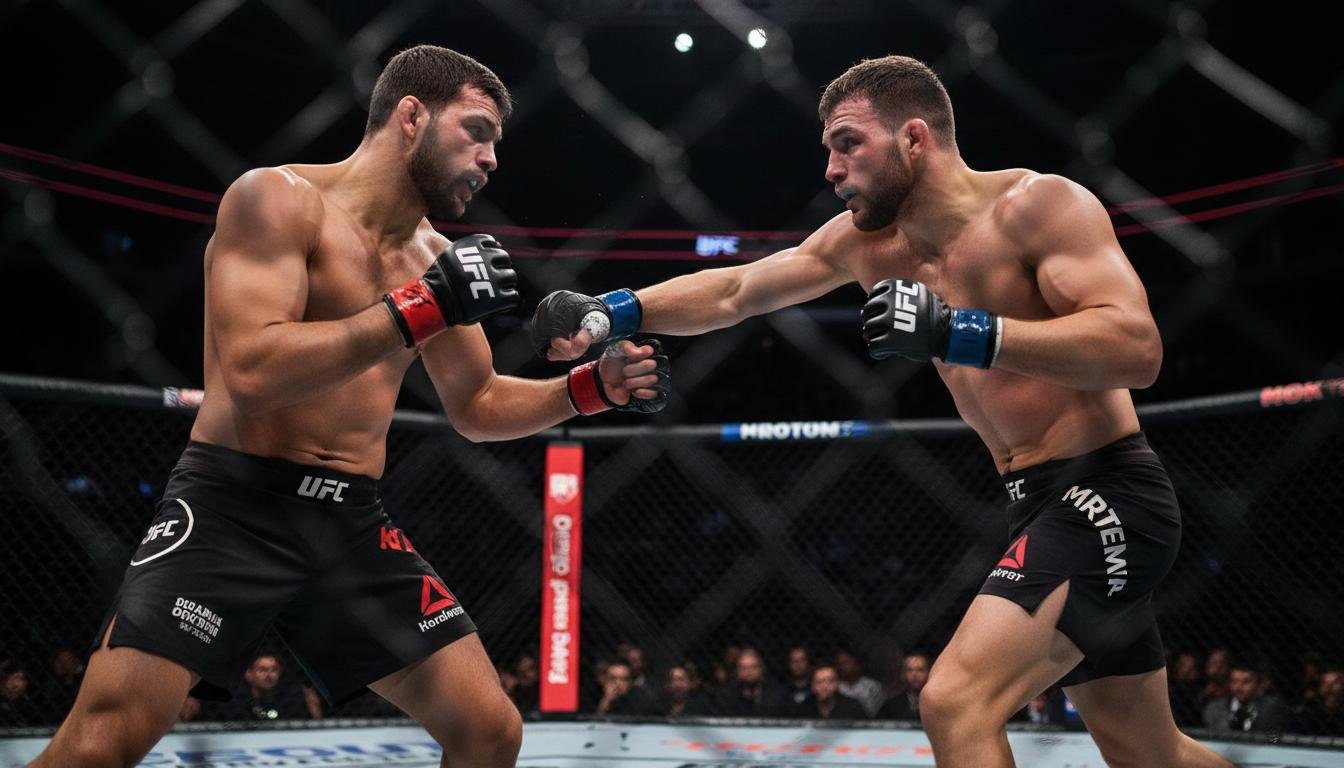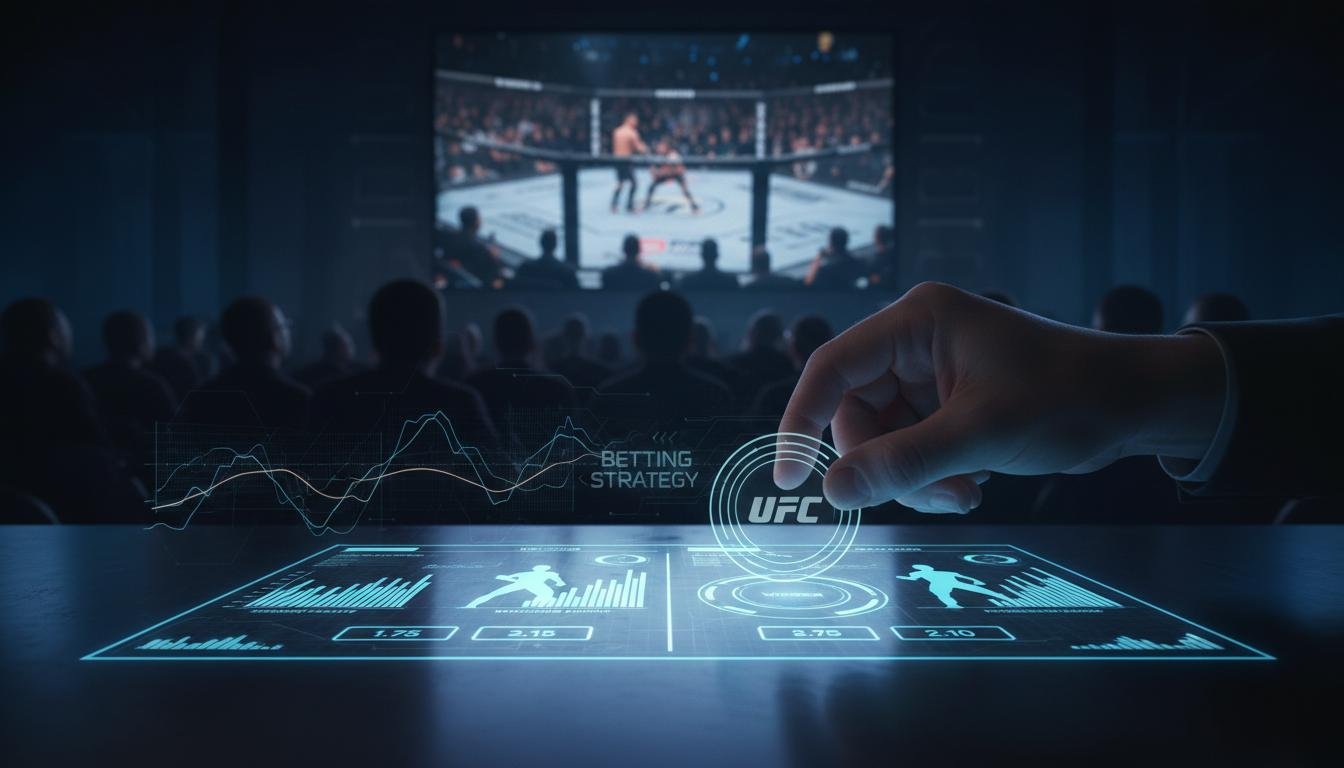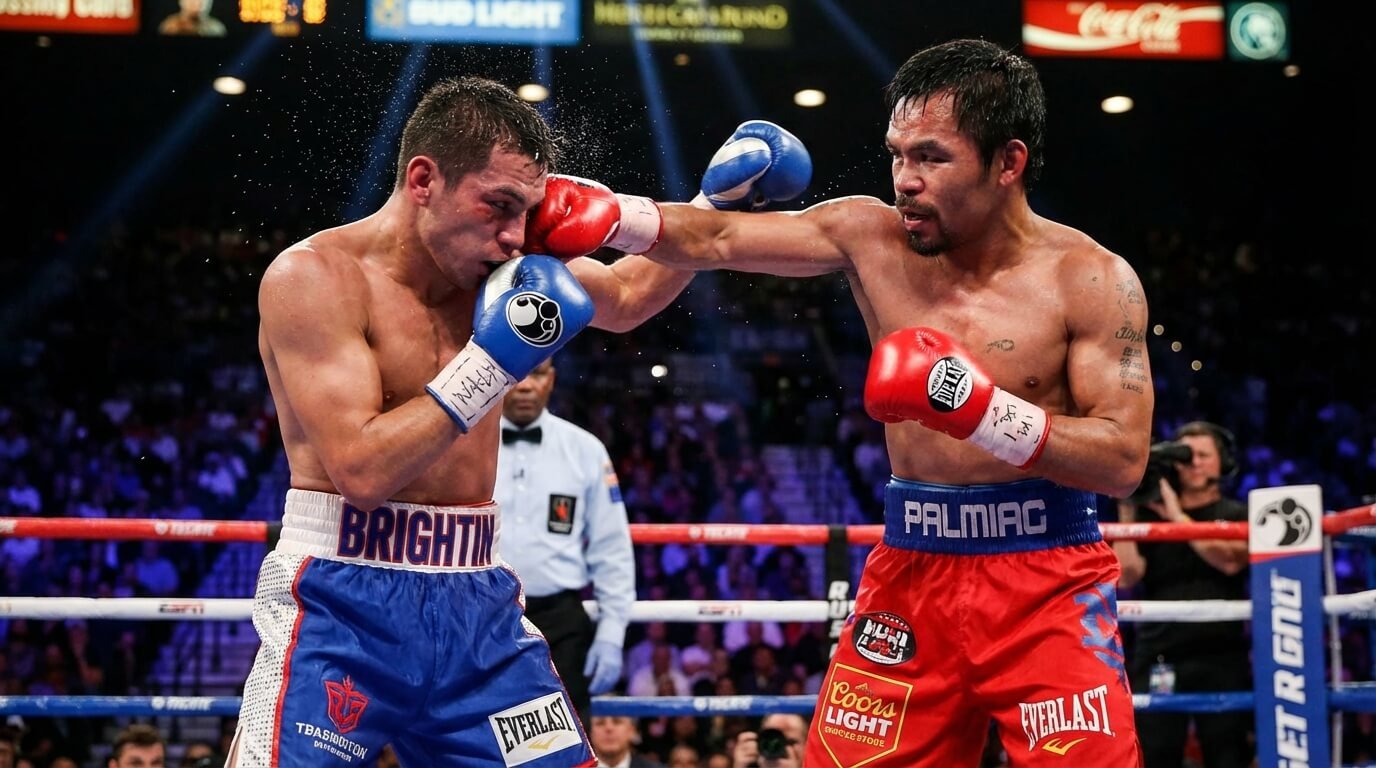
Rematches are a different animal from first-time fights. The ring has already told a story once, and bettors, trainers, and oddsmakers all try to read the corrections and overreactions that follow. This article walks through how to approach a rematch analytically and strategically—what to value, what to ignore, and how to size bets so a single emotional call doesn’t erode your bankroll.
Why rematches produce unique betting opportunities
A first fight is dominated by unknowns: styles that haven’t directly met, game plans that haven’t been tested, and nerves that can tilt an outcome. A rematch removes some of that uncertainty. You know what worked, what failed, and which adjustments are feasible between camps.
Oddsmakers respond to this clarity, but not always cleanly. Public narratives—blowout, controversial decision, miraculous comeback—distort the market as much as technical adjustments. That distortion is where disciplined bettors find value.
Key variables to model for rematch edges
Successful rematch betting hinges on quantifying adjustments rather than re-judging the entire matchup. Start with these variables: tactical changes, physical condition, psychological momentum, timing between fights, and external factors such as location or officiating tendencies.
Tactical changes are the easiest to assess objectively. Did the losing fighter get clipped by a specific punch repeatedly? Has their trainer historically corrected that weakness? Look for measurable interventions—new footwork, a different stance, or a shifted work-rate that are visible on tape and backed by trainer reputation.
Physical condition and ring rust matter. Fighters coming back quickly after a brutal fight may underperform, while the winner who barely broke a sweat might regress. Consider age, injury reports, sparring notes, and weight-cut difficulties; these are predictive when combined with historical recovery curves.
Reading line movement and market psychology
Lines on rematches often overreact to narrative. A controversial decision can push the loser into favorite territory in the second bout simply because bettors want to “correct” the record. Conversely, a clear knockout tends to lock public belief in the winner’s superiority.
What to watch: early sharp money from reputable books, public betting percentages, and timing of moves. If reputable syndicates move a line early and it sticks, that usually reflects inside info or heavy technical conviction. Late, public-driven shifts are safer to fade if you have contrary data.
Types of rematch scenarios and how to approach them
Not all rematches are created equal. I find it helpful to categorize them and apply distinct rules of thumb.
| Rematch type | Bettor’s edge | Key factor |
|---|---|---|
| Controversial decision | High if tape favors judged loser | Judging tendencies and round-by-round scoring |
| Close tactical fight | Moderate; small adjustments swing outcome | Trainer adaptation and stamina |
| Upset KO/RD finish | Lower unless evidence of flukes | Why the upset happened (injury, slip, timing) |
| Short turnaround | Edge for fresher fighter | Recovery and training quality |
Practical strategy: pre-fight, live betting, and hedging
Pre-fight strategy should blend objective scouting with market timing. If you believe the losing fighter’s corner routinely makes the right corrections, you might value them before public narratives push the number. Conversely, if the winner’s style is extraordinarily hard to solve, take profits early rather than waiting for late value to evaporate.
Live betting is powerful in rematches because you can see whether the losing fighter actually implemented changes. If their adjustments show early and payout odds spike, that’s a prime moment to bet. Conversely, if the winner looks improved or the loser fails to execute, live lines can offer a chance to hedge or cut loss.
Hedging after a pre-fight stake is sensible when the market moves against you and new information materially alters the probability. Use hedges to lock profit or cap losses, but avoid over-hedging; costs and vig can erode thin edges quickly.
Staking, bankroll, and risk management for rematch bets
Rematches tempt bettors to double down on narratives. Protect your bankroll by sizing bets to the edge you estimate. If your model gives a 5% edge, a flat 1–2% of bankroll stake is prudent. Larger stakes are justifiable only when you have repeatable, verifiable edges backed by data and track records.
Keep separate tracking for rematch bets versus standard fights. Rematches often have unique volatility; you’ll learn their variance characteristics only by measuring them. Over time, this lets you adjust staking to match realized outcomes rather than theoretical hopes.
What data rules the day: tape, stats, and qualitative intel
Video scouring is non-negotiable. I spend hours on slow-motion rounds to catalog punch types, defensive gaps, and stamina patterns. Combine that with stats—compubox numbers tell you whether the late rounds swung due to output or accuracy.
Qualitative intel—trainer interviews, camp reports, and sparring leaks—matters too. Treat such reports probabilistically; a confident quote from a seasoned trainer like Teddy Atlas or a well-sourced social-media report about a torn glove in sparring should adjust your probability, but not dominate it.
Case studies: what worked and what failed
Anthony Joshua vs. Andy Ruiz Jr. is instructive. Ruiz shocked the world in their first fight; the rematch saw AJ make tactical platform adjustments—tighter guard, more measured tempo—and he dominated. The market initially overvalued revenge narratives for Ruiz and then corrected, creating value for pre-fight AJ backers who trusted technical regression to the mean.
Gennady Golovkin vs. Canelo Alvarez tells a different story. Their first bout was a controversial draw, and the rematch was shaped by Canelo’s tactical tightening and strategic use of timing. Bettors who evaluated round-by-round scoring tendencies and Canelo’s capacity to adapt found edge before public sentiment swung.
These examples show you must ask: Was the first result a fluke or a true indicator? Fluke outcomes (slips, freak injuries) rarely repeat, while genuine stylistic advantages tend to persist unless convincingly addressed.
Checklist before placing a rematch wager
- Confirm the nature of the first-fight result: clear win, close decision, or fluke finish.
- Evaluate trainer profiles: does the losing trainer have a record of effective mid-turnaround fixes?
- Assess physical reports: injuries, weight issues, camp length.
- Track early line movement and who’s moving it.
- Decide entry timing: pre-fight value, early live after seeing adjustments, or late on public overreaction.
Common mistakes to avoid
First, don’t overweight emotionally satisfying narratives. Bettors want redemption stories, but the market prices that immediately. Second, avoid copying public money without verification; heavy public support often follows sensational highlights rather than substantive advantage.
Finally, never ignore small exogenous factors. A change of referee, fighting in a different country, or even altitude can shift outcomes more than bettors appreciate. These are low-frequency but high-impact variables that tip close rematches.
How I apply this approach in my own betting
In my experience tracking dozens of rematches, I use a three-layer model: quantitative (CompuBox-like metrics and age/wear regression), qualitative (trainer track record and camp reports), and market (line movement and public bet flow). I assign weights and translate the output into a probability, then compare it to available odds to calculate edge.
One real example: in a small middleweight rematch I followed, tape showed early the loser had corrected head movement but looked flat late. I backed a modest wager live in round three when odds mispriced the stamina risk. The bet won; more importantly, the trade validated my weighting and reminded me to incorporate mid-fight stamina signals more heavily in future models.
Final practical notes and habits of disciplined rematch bettors
Always write down your thesis before placing a rematch bet and track outcome versus expectation. Over time you’ll learn which adjustments are predictive and which are noise. Discipline and honest post-mortems are what turn a hobbyist into a repeatable bettor.
Use multiple books to shop for lines and watch for correlated props—sometimes the true value is in a round prop or method-of-victory market where the mainline has already absorbed most rational adjustments.
Experts and data sources used in this article are listed below for deeper reading and verification.
Sources:
- ESPN Boxing—Mike Coppinger https://www.espn.com/boxing/
- Pinnacle Betting Resources—sports betting analytics and articles https://www.pinnacle.com/en/betting-resources
- BoxRec—fighter records and historical fight data https://boxrec.com/
- Betfair Betting Blog—market movement and trading insights https://www.betfair.com/hub/
- The Athletic—boxing coverage and deep-dive features https://theathletic.com/boxing/
- Teddy Atlas—trainer and commentator interviews (various outlets)
- FiveThirtyEight—statistical approaches to sports predictions https://fivethirtyeight.com/
Full analysis of the information was conducted by experts from sports-analytics.pro