Watching the final horn of round one is a pivot point for any sharp MMA bettor. By then you’ve seen how the fighters’ game plans translate to real action: who lands, who gasps, who controls the mat. That information is brief, noisy, and extremely valuable — if you know how to read it and how to act quickly without getting swept up by adrenaline or public money.
Why round one matters more than it looks
The first round is where intention meets reality. Pre-fight lines are built on styles, records, and intangible narratives; after round one, those narratives either hold or unravel. A fighter who dominated striking exchanges and visibly hurt the opponent will usually see the market move hard, and that move can create value if you act rationally.
Conversely, a favorite who used excessive energy to secure early success can fade in later rounds. The first round gives you a snapshot of cardio, will, and execution — three variables that are core inputs to any live decision you make. Successful live betting is often less about prediction and more about correctly interpreting those inputs faster than the market does.
Immediate cues to assess at the bell
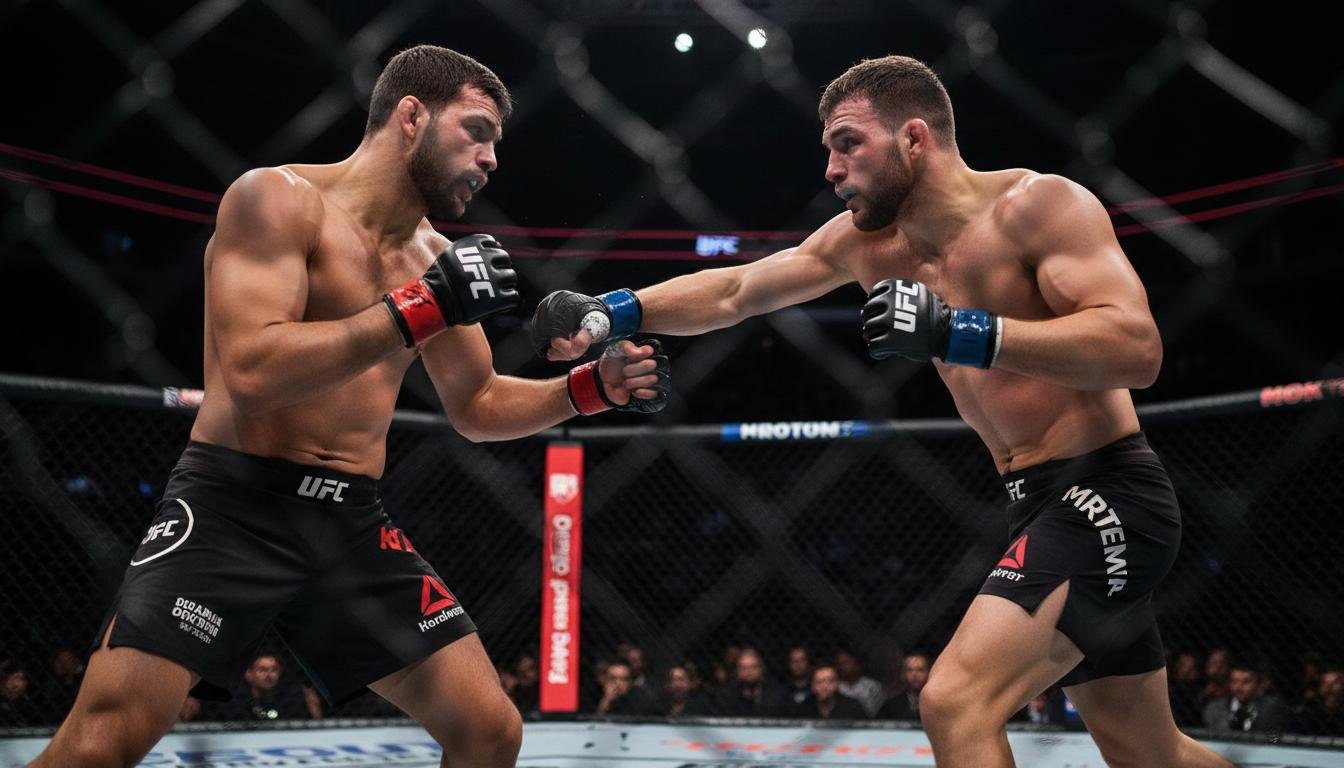
Damage and visible hurt
Count the cumulative visible damage: swollen eyes, cuts, wobble, stumbling. One clean indicator — a fighter who smells like knockout — is worth more than any landing differential on a live feed, because visible damage strongly correlates with late-fight effectiveness and stoppage probability.
However, don’t overweight a single flash knockdown. Some fighters recover quickly, and referees have become conservative about early stoppages. Use damage as part of a pattern, not as a single data point.
Striking volume, accuracy, and intent
Look beyond raw output and watch accuracy and intent. A high-volume approach that lands mostly jabs and gets countered is different from lower-volume, high-impact striking that visibly stuns. After round one, effective striking efficiency is a better predictor of the next two rounds than sheer output.
Also note who is dictating distance. If a fighter consistently imposes range control — forcing the opponent to hustle in — it’s a stamina tax. That manifests often in round two and three, so it’s a useful early indicator for live round and decision markets.
Takedowns, scrambles, and grappling control
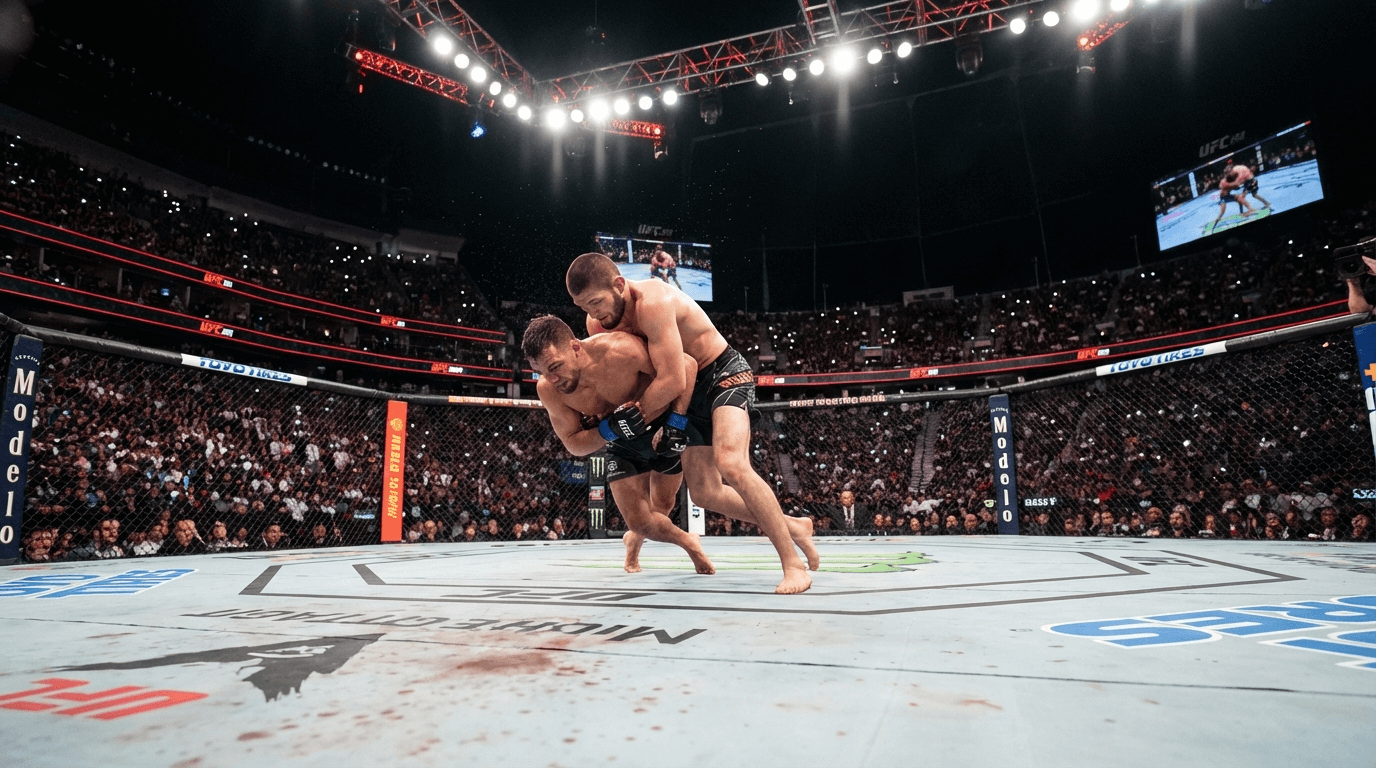
Takedown success and grappling control have outsized value when betting live. A single takedown that turns into two minutes of control suggests a scoring advantage and a physical edge that often influences judges’ thinking and the opponent’s game plan. Conversely, repeated failed takedown attempts drain energy and create openings for counters.
Pay attention to transition speed on the mat. Fighters who can instantly threaten submissions or advance position change the dynamic of the bout and increase the chance of a finish, which is crucial for method-of-victory and round prop markets.
Cardio cues and corner communication
Cardio is notoriously hard to judge until damage and pace compound. Still, signs like heavy breathing, slow lateral movement, or labored head movement by the end of round one are red flags. Corners are also informative: an animated, tactical corner suggests confidence; a dull, urgent corner suggests trouble.
Listen for trainers telling a fighter to “breathe” or “move” — those cues tell you the fighter is on the edge of a strategic collapse. Small behavioral details often predict bigger problems in later rounds and should factor into stake sizing on live bets.
How the market usually reacts after round one
Bookmakers and bettors respond to the same cues you see, but they do so with different frictions. Books adjust odds to balance exposure quickly, while public bettors often react emotionally and pile onto the most obvious outcome. That mismatch creates short windows of opportunity where implied probability diverges from the true value.
Recognize three typical market moves: a sharp favorite tightens after a dominant round; an underdog’s line shortens if they unexpectedly control the fight; and the total (rounds over/under) shifts depending on visible damage and grappling control. Identifying which move is sincere and which is noise is a core live-skill.
Odds scenario table (simple reference)
| Round 1 observation | Typical live odds move | What to consider |
|---|---|---|
| Favorite dominates striking, looks fresh | Favorite shortens by 30-60% | Consider backing favorite for decision or later-round finish only if implied value remains attractive |
| Underdog controls clinch and takedowns | Underdog shortens; total may go to longer fight | Look for underdog moneyline if takedown control likely to persist |
| Visible damage on either fighter | Total moves toward fewer rounds; prop markets for KO/Sub increase | Evaluate method props; manage stakes for volatility |
Actionable live strategies after round one
1) Fade the public heat with discipline
When the favorite dominates round one, public money routinely chases the favorite at higher prices. If the favorite’s win probability is already built into pre-fight odds and you see a 30–50% price shortening, that often represents poor value. Fading that heat — smaller, calculated stakes on the underdog or on round props — can be profitable when you have reason to believe the fight will slow or the favorite will spend too much energy.
Discipline means sizing bets modestly and avoiding the temptation to match the public’s enthusiasm. Your edge comes from being unemotional, not louder than the books.
2) Back the comeback when indicators align
Backing a comeback underdog is risky but occasionally lucrative. Ideal conditions: the underdog showed resilience, the favorite spent heavy energy early, and the fight shifted toward grappling where the underdog excels. Take these bets only when the market overreacts to round-one heroics and leaves sizeable implied-value gaps.
Sizing is critical — because comebacks are less frequent than fades, live stakes should reflect lower probability but higher payout, not blind optimism.
3) Use round and method props selectively
Round bets and method-of-victory props move fast after round one. If you see clear signs of damage or a grappler who dominated rounds in transition, the prices for specific rounds or method finishes will tighten. These markets are high variance and require strict bankroll rules, but they can offer very favorable payouts if you detect a structural advantage that the market hasn’t fully priced.
Limit yourself to one or two prop plays per card; the increased juice and variance in these markets make overtrading a common route to ruin.
4) Hedge and scale out when appropriate
If you placed a pre-fight bet that looks like it’s winning after round one, consider scaling out. Cashing a portion of a live position preserves profit while maintaining exposure to larger payoffs. This is especially useful in parlay-heavy accounts where one leg suddenly becomes likely to cash.
Hedging is also a rational response to a line swing that wipes out your implied edge; if the market corrects and leaves only juice-free bets, take the smaller secure profit rather than risking a full exposure.
Tools and a live workflow that wins
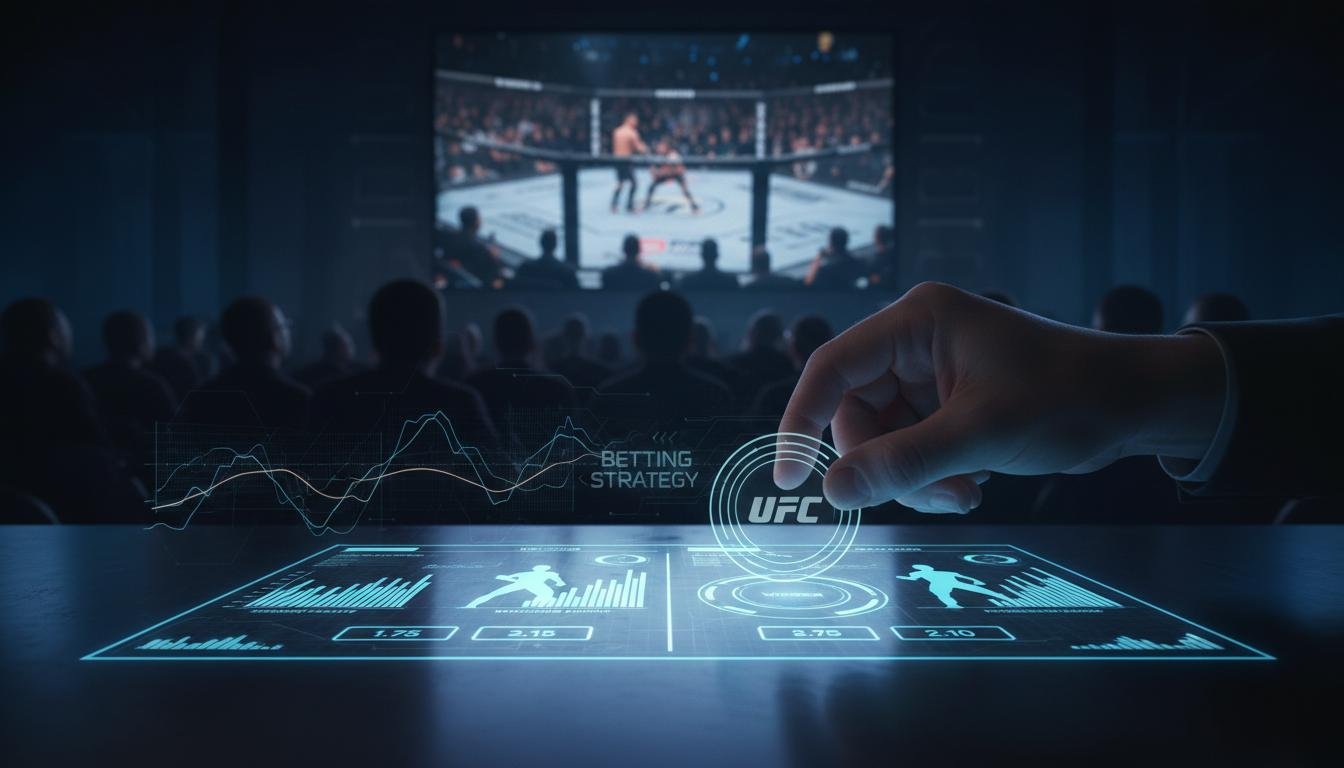
Have at least two streams: a clean live video feed and a fast odds screen across multiple books. Lag between visual and odds perception kills profits. I use a second monitor for live stats (UFCStats), a private odds aggregator, and one sportsbook for execution.
Use small, pre-sized stakes and a stopwatch. Decide your maximum exposure before the bell. That prevents emotional over-betting when a swing happens and keeps your long-term edge intact.
Bankroll management and psychological rules
Live betting after round one is volatile. Adopt strict stake sizing — 0.5–2% of bankroll per live bet is a common professional guideline. Never allow a single live session to define your bankroll health. If you face a streak of losses, reduce stakes further and review whether your post-round indicators are faulty.
Emotion control is equally important. The rush of seeing your favored fighter wobble can cause irrational doubling up. Implement a mandatory cool-down rule: no bet for 30 seconds after an emotionally triggering moment.
Common mistakes that cost real money
Overreacting to a single event is the single biggest error. A flash knockdown or a quick takedown does not necessarily define the remaining 10 minutes. Another mistake is ignoring corner or medical stoppage possibilities; if a corner looks ready to pull a fighter between rounds, odds for the opponent’s late win or a doctor stoppage can move suddenly and unpredictably.
Finally, ignoring shop lines across books is costly. Prices vary significantly on live props; comparing multiple books gives you the chance to find consistent edges rather than one-off lucky wins that evaporate over time.
Practice, review, and improvement
Build a simple live-betting journal: date, fight, round-one read, stakes, odds, outcome, and lessons. Reviewing your record monthly reveals patterns in what cues you read well and what you misinterpreted. Over time you want to reduce noise and amplify the reliable signals.
Simulate scenarios by watching quick round-one clips without sound and making decisions, then comparing to full-fight outcomes. This trains you to focus on the visual cues that truly matter and reduces the influence of commentators and crowd noise on your decisions.
Live betting after the first round is a blend of rapid pattern recognition, strict money management, and emotional discipline. Make a checklist you follow every fight, keep stakes modest, shop lines, and review your mistakes with cold honesty — those practices compound into consistent edge more reliably than any single predictive model.
Sources and experts
- UFCStats — official fight metrics and round-by-round data (UFCStats)
- Pinnacle — sportsbook analytics and betting guides (Pinnacle)
- ESPN MMA — reporting and fighter analysis, including coverage by Ariel Helwani (ESPN)
- Action Network — sports-betting analysis and live market coverage (Action Network)
- BetMGM Sportsbook — live-betting product guides and market examples (BetMGM)
Full analysis of the information was conducted by experts from sports-analytics.pro