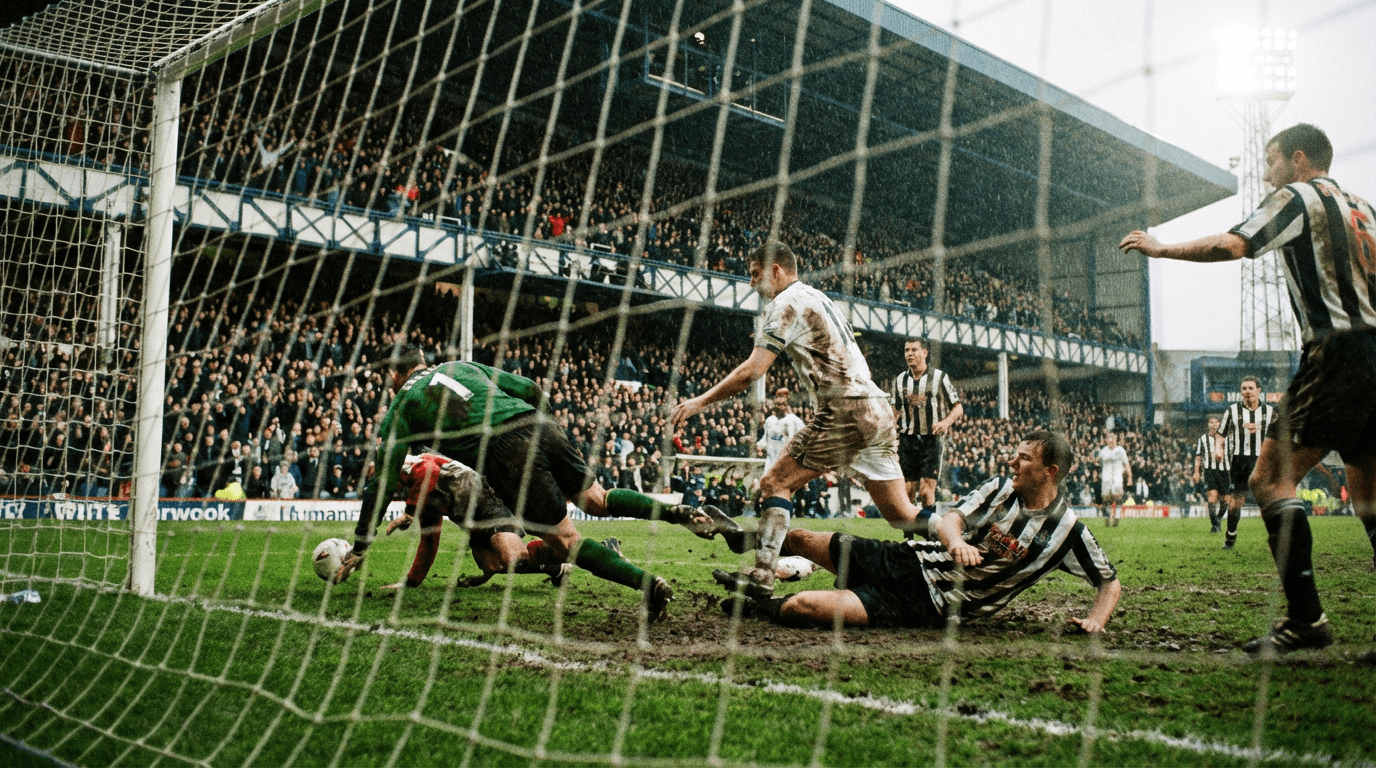
Weather is the invisible opponent every bettor must respect; rain and heat don’t just make for soggy cleats or sweaty jerseys — they change how teams play and how bookmakers set lines. When I first started placing wagers, I learned the hard way that a steady downpour can turn a projected shootout into a ground-and-pound slog, and that knowledge shifted the way I approach live markets and pregame value. This article walks through the mechanics, the market signals, and practical plays to consider when precipitation or sweltering conditions threaten to tilt a game.
How weather changes football at the play level
Rain and high humidity have predictable physical effects: the ball becomes slippery, footing worsens, and quarterbacks and kickers lose a fraction of their precision. Receivers struggle to snatch contested catches, linemen lose traction, and special teams — punts and field goals especially — become riskier propositions.
Heat imposes a different kind of pressure. Not as immediately noticeable as a downpour, extreme heat drains stamina, accelerates fatigue, and can make late-game execution uneven. Coaches may shorten practices before hot games and lean on clock management and short passes to conserve energy.
What sharp bettors and oddsmakers react to
Bookmakers and professional bettors treat weather as a quantifiable input rather than folklore. When forecasts show sustained heavy rain, lines often move toward lower totals and toward favorites with dependable rushing attacks. Sharp books price in expected play-call changes and adjust moneyline and spread margins accordingly.
Market movement gives clues. If a spread tightens toward a running-team favorite in the face of inclement weather, the market is likely anticipating a pass-reduction and a grind-it-out script. Conversely, if totals stay flat despite adverse forecasts, that can signal public disbelief in the forecast’s game-day impact.
Rain-specific betting strategies
When rain is in the forecast, three betting lenses tend to perform best: shop totals for under value, target teams that run efficiently and protect the ball, and avoid props reliant on passing volume. A heavy, sustained rain almost always favors the under, but timing is crucial — early line movement can erode value.
In practice, I prefer to grab unders or heavy-runner favorites pregame rather than after the line fully adjusts. If the weather projection shifts from light rain to steady downpour in the 24 hours before kickoff, book movement can be swift, so having accounts across multiple books to shop the price matters.
Prop betting requires extra caution. Passing yards, completion rates, and long receptions are volatile in wet conditions. If you do take passing props, look for quarterbacks with short-drop tendencies and quick releases, as they suffer less from slick balls than deep-throw specialists.
Heat and humidity: subtler but exploitable effects
Heat-driven trends are more nuanced than those in rain. High temperatures reduce deep-third stamina, increase the chance of late-game substitutions, and tend to lower the pace in the second half. Teams with superior conditioning and deeper rosters are advantaged in prolonged heat.
A practical angle is to monitor halftime lines and live markets for second-half adjustments. In hot conditions, second-half totals may drift downward as coaches try to avoid risky, high-effort plays that expose tired players to mistakes. If you can model expected halftime fatigue (based on personnel and recent rest), live under/alt-total plays can be profitable.
When weather matters most: context and thresholds
Not every sprinkle or humid day warrants a wagering pivot. The impact becomes meaningful when conditions cross certain thresholds — heavy, persistent rain (not just a few drops) or temperatures above roughly 85–90°F with high humidity on a field without shade. Stadium microclimates matter: domes and retractable roofs neutralize outdoor forecasts in an instant.
Also consider surface type and roster composition. Grass fields turn treacherous faster than synthetic turf, and teams that run zone-blocking schemes may slip more in rain than gap-heavy power-running teams. When multiple indicators align — forecast severity, surface vulnerability, roster contrast — that’s when weather reliably moves the line.
Quick decision table: how to react to common weather scenarios
Below is a simple guide to betting posture based on broad weather categories. Use it as a checklist rather than a rulebook; context and matchup specifics always matter.
| Condition | Game elements affected | Primary betting angles |
|---|---|---|
| Heavy rain (steady) | Passing efficiency down, more rush attempts, kicking risk up | Under, favor run-heavy teams, avoid passing props |
| Light rain/drizzle | Minor impact; depends on field and wind | Monitor line movement; only adjust for extreme team mismatch |
| High heat/humidity | Second-half fatigue, slower late-game pace | Second-half unders, live hedging, favor deeper rosters |
| Strong winds | Passing and kicking severely affected | Avoid long field goal props, consider lower totals, edge to ground games |
Real-life examples and author experience
I remember a divisional game where heavy summer rain was forecast and the public still backed the high total because both offenses were prolific. I took the under early, not because I’m clever but because the teams relied on timing and big-play passing. The result confirmed that slick balls and poor footing blunt explosive passing, and the under cashed comfortably.
Another lesson came from a late-July preseason theory turned real: in a brutal heatwave, a team with limited depth wilted in the second half and coughed up a lead. Betting the second-half under later that evening offered better value than the pregame total because odds did not fully price in the stamina differential.
Bankroll management and line shopping in weather-driven markets
Weather volatility increases uncertainty, so scale bets conservatively and favor straight plays over parlays on affected games. Smaller units reduce variance when forecasts change or when lines react in ways you didn’t expect.
Line shopping becomes a necessity — a half-point or a different total can swing the expected value when weather is the variable. Use multiple books and be ready to act when the market moves; sometimes an early small wager locks in value before public money changes the number.
Data sources and tools every weather-focused bettor should use
Trust authoritative weather forecasts rather than social media chatter. The National Oceanic and Atmospheric Administration (NOAA) provides reliable local forecasts and radar information, while stadium or local meteorologists can offer game-day nuances. For historical game-weather correlations, Pro-Football-Reference contains box scores and weather notes that help build empirical models.
On the betting side, sites like Action Network and Pinnacle publish analyses on weather impacts and market behavior; Pro Football Focus and FiveThirtyEight help you assess personnel and matchup quality when deciding whether weather will be decisive. Combine weather science with matchup study for best results.
Practical checklist before placing a weather-influenced bet
Before you pull the trigger, run this checklist: confirm the forecast (not just early reports), check the stadium roof status, evaluate the surface type, review team tendencies (pass vs. run split), and examine roster depth for fatigue resistance. If multiple boxes tip toward a single outcome, the bet has a clearer edge.
Finally, remain flexible. Weather forecasts change, and live markets react. A plan that anticipates both pregame and in-game adjustments will keep you ahead of knee-jerk public moves and better able to exploit inefficiencies.
Weather won’t magically make you a winning bettor, but it will reliably create edges if you approach it like any other variable: with data, context, and discipline. Respect the elements, size bets for the added variance, and let forecasts be another tool in a patient, process-driven approach to wagering.