Live betting turns a football match into a stream of small decisions: which momentum to trust, when to pull the trigger, and how to avoid emotional mistakes. A repeatable way to find value in those decisions is to read pressure — a sustained series of attacks or corners that forces the game into a higher-probability state for a short window. This article explains how to spot that pressure, evaluate its quality, and turn it into a disciplined live-betting approach that prioritizes edge and bankroll protection.
Why pressure matters for live markets
Bookmakers price live markets to balance liability, not to perfectly reflect every micro-swing in probability. When a team strings together multiple dangerous attacks or wins several corners in quick succession, the underlying chance of a goal in the next five to fifteen minutes rises faster than markets always adjust.
Pressure compresses variance. Continuous entries into the opponent’s box create more high-quality chances, more shots on target, and more set-piece opportunities — all the things that nudge a match toward an imminent goal. Betting into that window, with rules and limits, is how experienced live bettors extract value.
What counts as meaningful pressure
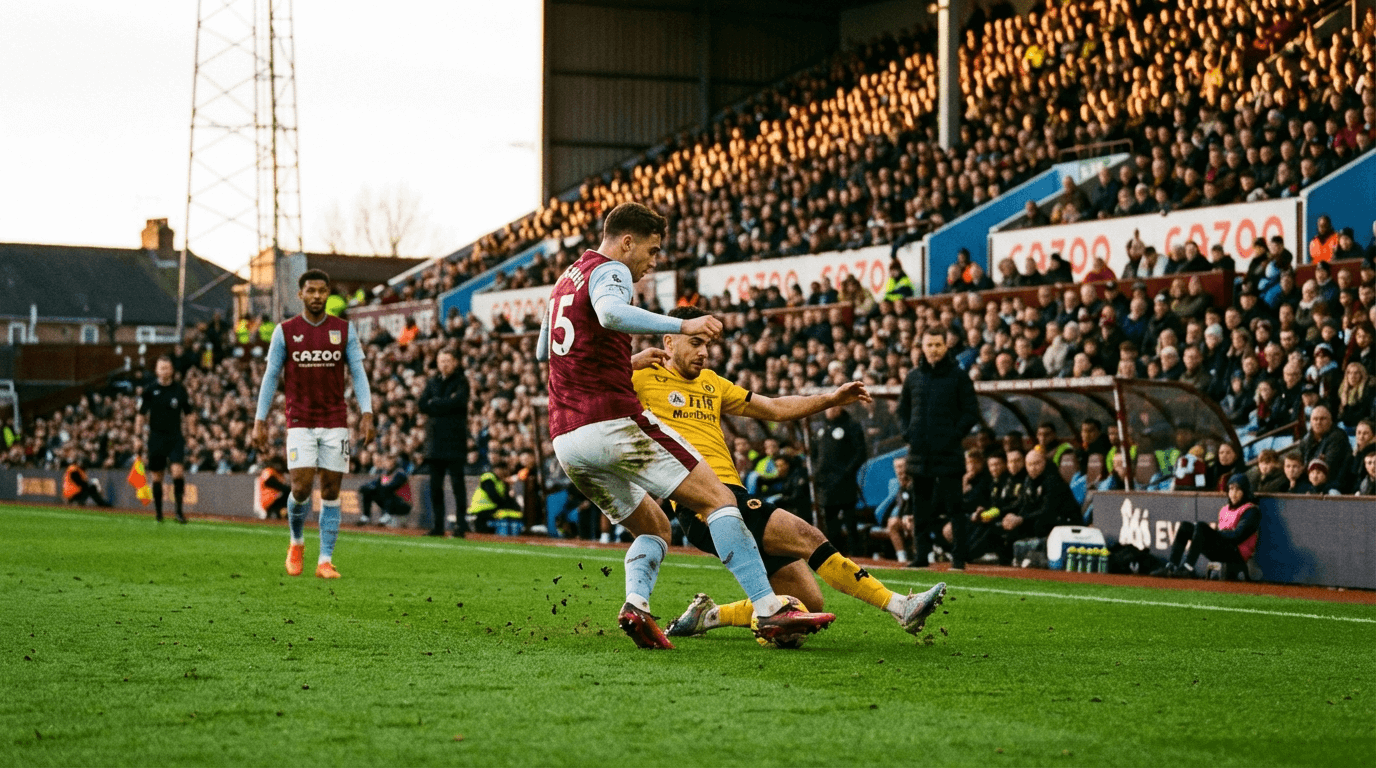
Not every sequence of passes should be called pressure. The difference is quality: distance from goal, number of touches in the penalty area, shots on target, and defensive errors matter more than mere possession. A run of low-danger passes around the halfway line is noise; a volley of crosses, blocked shots, and sustained ball recoveries inside the box is signal.
Corners are particularly useful as pressure indicators because they are discrete, high-probability events that almost always lead to a meaningful attacking phase. Three or more corners in ten minutes for one side often correlates with a heightened chance of scoring in the following minutes.
Signals to watch live
Develop a checklist of signals to confirm pressure rather than react to single events. Combine multiple indicators and wait for confirmation before staking larger amounts.
- Consecutive corners (3+ within 10–12 minutes) for one team.
- Multiple shots on target in a short span (2+ within 8–10 minutes).
- Touches in the penalty area or blocked shots from inside the box.
- Opposition defensive mistakes: bad clearances, defenders pinned wide, or a goalkeeper under pressure.
Watching the entire context is essential: a corner count without shots or bright chances is weaker than a corner count with shots blocked on the line. Combine metrics rather than depending on a single stat.
Quick reference table: pressure signals and suggested live markets
The following table maps common pressure signals to markets that tend to show pricing inefficiencies in live play. Use it as a starting template and adapt to the league and teams you follow.
| Pressure signal | Short-term markets to consider | Typical stake approach |
|---|---|---|
| 3+ corners in 10 minutes (same team) | Next corner; Team to have more corners; 10-minute goal markets | Small-medium, defined percentage of bankroll |
| 2+ shots on target in 8 minutes | Next 10–15 minute over 0.5 goals; Team to score next | Medium, if sustained pressure continues |
| Persistent entries into box with blocked shots | Anytime scorer; next goal in 5–15 minutes | Medium-high, with strict stop-loss |
Assessing the quality of pressure: the deeper metrics
Simple counts are useful but modern edge comes from reading deeper metrics. Expected goals (xG), shot location, and sequence length give you a more accurate sense of whether sustained pressure is genuinely dangerous. A corner that produces a shot from the six-yard box is hotter than a corner that results in a long-range effort.
Stats providers such as Opta and StatsBomb publish usable live feeds and post-match breakdowns that explain which types of sequences convert more often. Learning which sequences produce the best conversion in the league you follow is one of the fastest routes to consistent returns.
Timing your bet and managing stakes
Timing is twofold: entry and exit. Enter when multiple signals align (consecutive corners plus at least one shot on target, for example). Exit when the pressure subsides, the odds move against you, or a limiting factor appears — a substitution that relieves pressure, an injury, or a VAR stoppage.
Stake sizing must be conservative. I recommend flat-percent staking (1–2% of bankroll) for beginners and a modified Kelly for experienced bettors who understand variance. Never chase losses; the strategy is built on small, repeatable advantages rather than big hits.
Practical step-by-step live checklist
Having a repeatable process removes emotion from decisions. Use this checklist while watching and betting live.
- Monitor corner and shot flow for the team in attack for 8–12 minutes.
- Confirm at least two supporting signals (shots on target, touches in the box, defensive errors).
- Check match context: scoreline, time remaining, fatigue, and referee carding tendencies.
- Place a conservative stake on a short-term market with a pre-defined exit rule.
- Manage the trade: cash out, hedge, or let it run based on pre-set rules.
Beware of common pitfalls
Not all pressure ends in a goal. Some teams can generate lots of low-quality pressure and still fail to score because they lack a clinical forward or face a packed defense. Another trap is overreacting to the “hot-hand” illusion: humans see patterns and often expect them to continue indefinitely.
Refereeing decisions, time-wasting, and game state also matter. A team protecting a narrow lead may invite corners but use them conservatively, or a ref who is strict on dissent might stop attacks with frequent free kicks. Always pair statistical signals with common-sense reading of the game.
Testing and refining your approach
Before committing significant money, backtest the indicators on a few months of games in your chosen league. Many bettors simulate trades or paper-bet small stakes to gather a sample. I began with a notebook: logging pressure signals, market chosen, stake, outcome, and a short note on why the trade succeeded or failed.
Reviewing that log regularly highlights which signals translate into profit and which are only noise. Over time you’ll learn league-specific quirks — some leagues yield more corner-derived goals; others are dominated by counterattacks that make corner pressure less predictive.
Responsible play and the limits of the strategy
Live betting is fast and emotionally charged. Set session limits, use timeouts, and never risk money you can’t afford to lose. Regulatory organizations and responsible-gambling resources provide tools for deposit limits and self-exclusion if needed.
This pressure-based approach increases the likelihood of finding value in live markets but it does not remove variance. Treat it as a disciplined skill: small edges, strict rules, and continuous learning.
Putting it into practice: a short personal note
When I started applying pressure-based live bets, I kept stakes tiny and focused only on one league. Watching matches live while tracking corners and dangerous entries taught me the rhythm of different teams and referees. Over months, the small wins added up because I was picking high-probability windows and exiting early when the flow broke.
One practical habit I recommend is to watch the same two or three teams regularly. Familiarity sharpens pattern recognition and reduces reaction time when a profitable sequence unfolds.
Sources and further reading
Below are the authoritative resources and expert pieces referenced while preparing this guide. They offer deeper technical background on corners, expected goals, and the psychology of momentum in sports.
- StatsBomb — soccer analytics, research and blogs
- Opta / Stats Perform — event data and analytics
- FiveThirtyEight — soccer analytics and SPI methodology
- The Conversation — discussion and evidence about the hot-hand in sports
- UK Gambling Commission — responsible gambling resources
- American Gaming Association — responsible play guidance and industry data
Use the tools and practices described here as a framework, not a guarantee. With careful observation, disciplined staking, and continuous learning, pressure-based live betting becomes a repeatable skill rather than a guess at luck.