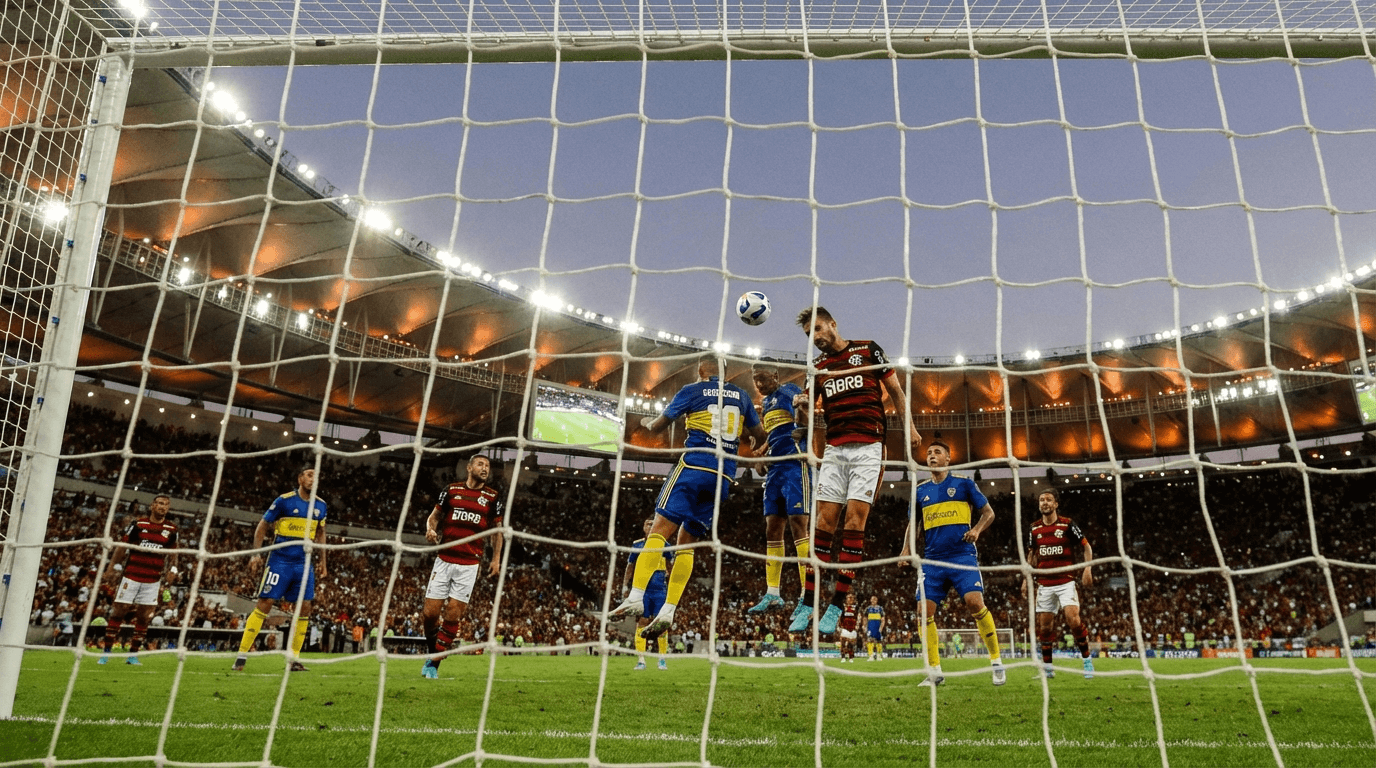
An early goal is a match’s punctuation mark: it rewrites tactics, changes momentum, and — for anyone with money on the line — resets the market. In the seconds and minutes after that strike, odds swing quickly and opportunities appear for disciplined, data-driven bettors. This article lays out practical approaches you can use immediately after an early goal, explains the statistics and psychology behind those moves, and shares tools and real-world examples that will help you react without panicking.
Why an early goal shifts everything
An early goal doesn’t just add one to the scoreboard; it alters incentives for both teams. The team that concedes early often switches to riskier, more direct play, while the scorer may sit deeper to protect the lead. Those tactical changes affect possession, shot volume, and expected goals (xG) for the remainder of the match.
Bookmakers respond to these changing incentives by repricing markets to reflect new probabilities and to protect their margin. Because information transfer is not instantaneous, small inefficiencies can exist for a short window — that’s the moment in-play bettors hunt for value. Knowing why markets move helps you tell the difference between a genuine edge and noise.
Immediate actions: three live-betting approaches
After an early goal, you can take several different paths depending on your read of the match and your risk tolerance. Below are three practical strategies that suit different goals: lock profit, exploit momentum, and target halftime or second-half outcomes. Each approach requires quick thinking, so prepare parameters in advance rather than improvising under stress.
- Hedge or cash out to lock a profit.
- Look for value on the chasing team when the market underestimates their shot volume.
- Switch to time-limited markets (next goal, corners, cards) where variance is concentrated and offer sharper edges if you spot a tactical shift.
These are not mutually exclusive; you can combine them. For example, if you backed Team A pre-match and they score early, you might cash out a portion, then back the opponent in a small, data-driven play on expected rebounds.
Hedge and lock in profit
Hedging becomes attractive whenever an early goal puts a pre-match winner ahead. If that selection is still worth a stake later, but the market has shortened drastically, it can make sense to take guaranteed profit by staking on the opponent or using a bookmaker cash-out. This is particularly sensible if the team’s underlying numbers were marginal pre-match.
Decide a hedging threshold before the match: for example, lock in profit when your potential return drops below 150% of your original stake or when the implied probability post-goal exceeds a pre-set level. Predefining limits prevents emotionally driven decisions.
Exploit the chasing team’s volume
Teams that concede early generally increase forward pressure — more corners, more crosses, and more shots from dangerous areas. If your numbers (or live indicators) suggest a clear uptick in xG or expected shot volume, the market may lag, especially on discrete markets like total corners or opponent to score next.
To use this strategy profitably, prioritize games where the chasing team historically presses after conceding and where substitutions or tactical indicators support an aggressive response. Track live statistics such as possession in the attacking third and shot attempts in short windows to validate the read.
Target short-duration markets
Markets like “next goal,” “next corner,” or “time to next card” concentrate your exposure into a known window, which can make it easier to calculate value. After an early goal, bookmakers often misprice these due to uncertainty about how far the momentum will carry. If you have a model that estimates event frequency, you can find edges in these lines.
Be mindful of liquidity and market depth. Exchanges like Betfair sometimes provide better prices for next-goal markets than retail bookies because traders can move quickly and exploit transient inefficiencies.
Reading the remainder of the match: tempo, tactics, and stats
Not all early goals are the same. A 9th-minute goal driven by a tactical masterclass implies a different remainder-of-game dynamic than a fluke in the opening 60 seconds. Look for reliable in-game signals: substitution patterns, formation shifts on the broadcast graphic, and live xG. These indicators tell you whether the initial event will influence the next 10, 20, or 80 minutes.
Use simple live metrics to guide decisions: cumulative xG, shot attempts per 10 minutes, and corner rate since kick-off. If those trends favor the chasing side, target markets sensitive to volume; if trends favor the leader, consider low-scoring hedges or backing the leader to win outright at reduced stakes.
Bankroll and stake sizing after a shock
Early goals increase variance. Your response should be governed by pre-established staking rules, not by the emotional impulse to “win it back.” Many experienced bettors use proportional staking (a fixed percentage of bankroll) and reduce size after unexpected swings. That keeps you in the market longer and avoids reckless bets.
Use three levels for in-play sizing: conservative (half your normal in-play unit) when uncertainty is high, normal when trends align with your pre-match model, and aggressive (1.5x) when you have clear statistical confirmation of an edge. This disciplined scaling limits losses while letting you capitalize when real value appears.
Tools, data feeds, and where edges hide
Live edges are easiest to spot when you can read the game faster than the market. Subscriptions to live-data providers like StatsBomb and Opta feed into models that quantify shot quality and pressure. Even simpler: free live xG trackers and corner/shot visualizations on reputable sites can give you the same directional advantage if you know how to interpret them.
Price movements on multiple bookmakers, and especially on exchanges, are another signal. If a sharp market moves the price against you across several books, it may reflect an information advantage you don’t have. Conversely, isolated softening on one book could reveal mispricing worth exploiting with small stakes.
Common traps and how to avoid them
Two traps repeat more often than others: revenge chasing and mistaking variance for trend. Chasing a loss by aggressively backing long-shot comebacks after an early goal is a fast way to blow a bankroll. Treat the first few minutes after a goal as a high-noise period; wait for corroborating indicators before increasing size.
Another trap is ignoring lineup and tactical context. A lower-league match where a top striker is injured changes what an early goal implies for future scoring. Always combine live stats with pre-match knowledge: injuries, managers’ tendencies, and the stakes of the game.
Real-life example from my experience
In a midweek cup tie I followed, my pre-match model favored the away side slightly. When they scored in the 7th minute, the market shortened rapidly. I hedged half my position to guarantee a small profit and monitored live xG and corner count. The opponents pushed forward aggressively, producing a spike in expected shots and corners, which I then exploited with a targeted next-goal and corner parlay at favorable odds.
The result: modest net profit and preserved capital. That combination of hedging, watching live indicators, and taking small, data-backed follow-up positions illustrates the kind of disciplined play that turns early-goal volatility into an advantage rather than a stressor.
Sources and experts
- StatsBomb — football analytics and live data
- FiveThirtyEight — soccer SPI and analytics
- Pinnacle — betting insights and market behavior
- Betfair — exchange trading guides
Reacting to an early goal is less about intuition and more about preparation. If you have rules for hedging, a way to read in-game statistics, and disciplined stake sizing, those opening minutes become less chaotic and more like a new, profitable phase of the match. Keep records, refine your models, and remember: the market rewards thoughtfulness, not impulse.