Late goals are the heartbeat of football matches: sudden, dramatic, and often decisive. Betting on a goal after the 75th minute is a compact, high-variance market that attracts both recreational and professional bettors because it can yield attractive odds while requiring only a short-term exposure.
This article walks through why late goals occur, what data and live indicators matter, how to size stakes, and common mistakes to avoid. The aim is to give a practical, discipline-driven approach so you can evaluate value instead of guessing.
Why the late-goal market matters
There’s a concentration of goals in the final 15 minutes of matches across many leagues and competitions. Tactical fatigue, tactical shifts when teams chase results, and the increase in risk-taking all push goal probabilities upward late in games. Analysts at organizations such as StatsBomb and data from top leagues consistently highlight that the 76–90+ minute window is among the most goal-rich periods.
That pattern creates predictable in-play opportunities: if a match shows sustained attacking pressure or clear momentum swings, the chance of a late goal becomes more than a random event. Bookmakers price that probability into their in-play lines, but live information can create moments of value where the market lags reality.
How to identify good late-goal bets
Not every tight, goalless match offers a reasonable chance of a goal after 75 minutes. Look for signs of attacking dominance or vulnerability in the defending team: repeated corners, several shots on target without conversion, and possession consistently in the opponent’s final third are strong signals. Conversely, a team that has protected a lead all game with low defensive exposure is less likely to concede late.
Match context matters just as much as raw numbers. Knockout matches, derbies, or fixtures where one team must win to qualify tend to produce more frantic finishes. Also factor in the substitutions made: fresh attackers against tired defenders shift probabilities quickly, as do defensive substitutions or time-wasting tactics that reduce scoring chances.
From my experience following live matches and placing small in-play bets, the clearest edge comes when objective metrics (shots, corners, xG) and visual momentum line up. Even then, discipline is crucial—only act when several indicators point the same way.
Key metrics to watch live
- Expected goals (xG): a rising cumulative xG for one side often means continued threat despite a low scoreline.
- Shots on target and blocked shots: persistent attempts at goal indicate sustained pressure.
- Corners and set-piece frequency: corners are high-probability opportunities late in matches.
- Passes into the box and touches in the penalty area: these capture dangerous activity not always visible in simple possession numbers.
- Substitutions and player fatigue: attacking substitutions increase the likelihood of late chances; defensive substitutions usually lower it.
Timing and the odds: when to place your bet
The sweet spot for these wagers frequently appears between the 75th and 85th minutes. By then, teams have shown their intent, substitutions are largely settled, and accumulated pressure is visible. Odds fluctuate constantly, and bookmakers will shorten lines as obvious value appears, so reacting too early can be costly.
When you see a clear buildup—multiple corners, a keeper under siege, and attackers growing in confidence—odds offered around the 80th minute may still represent value if the market hasn’t fully factored in the pressure. Be wary of markets that price in stoppage time heavily; referee tendencies for added time and the number of stoppages during the half matter.
Staking plan and bankroll management
Late-goal betting is high variance. Treat these bets as tactical plays inside a broader bankroll strategy rather than a primary staking method. A conservative approach is using 0.5–2% of your betting bankroll per in-play late-goal bet depending on how confident you are in the signal.
Kelly Criterion enthusiasts can compute a fractional Kelly when they believe they have an edge, but complexity and volatile live odds make simple rules often more practical. Flat-staking or a small graded approach (e.g., 1% for moderate confidence, 2% for high confidence) helps limit ruin while allowing you to exploit perceived edges.
| Bankroll | 1% stake | 2% stake |
|---|---|---|
| $1,000 | $10 | $20 |
| $5,000 | $50 | $100 |
| $10,000 | $100 | $200 |
Common mistakes and how to avoid them
Chasing losses is the simplest way to blow a bankroll. Many bettors increase stake size after a string of misses, convinced that “a goal must come soon.” That thinking ignores variance and can escalate small losses into large ones. Stick to your pre-defined staking limits and signal criteria.
Another frequent error is ignoring referee and timekeeping context. Some referees add more stoppage time; others let the clock run. If a referee has kept stoppage short all game, betting solely on a late goal with the clock at 88 minutes can be poor value. Always check how much practical playing time remains.
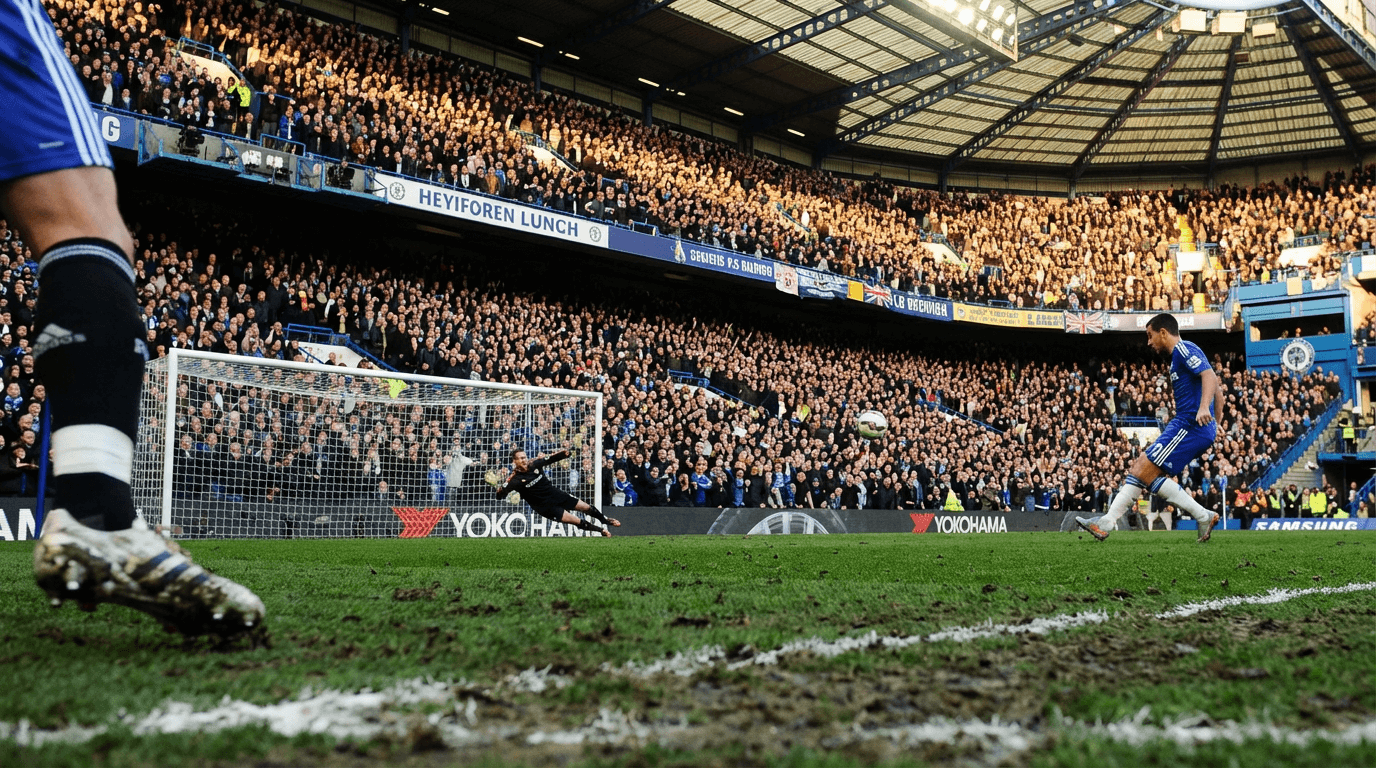
Finally, don’t overreact to single events—like a saved penalty or a woodwork strike—without checking whether overall pressure remains. A dramatic event that does not reflect continued attacking dominance can tempt bettors into false confidence.
Practical tips for live betting
Use fast, reliable data feeds and a bookmaker app that updates quickly. Lag and slow interfaces erode any edge you might have from noticing pressure first. I keep a small set of trusted bookmakers and a live stats feed open when I watch matches for late-goal opportunities.
Watch the match where possible. Visual cues—how defenders are moving, goalkeeper positioning, and body language—can confirm or contradict statistics. If you can’t watch, ensure the stats feed includes shots, corners, and touches in the box to approximate what you would see.
Responsible gambling and legal considerations
Set loss limits and stick to them. Short, exciting markets are emotionally potent; the convenience of in-play bets makes it easy to escalate stakes fast. Tools like deposit limits, cooling-off periods, and self-exclusion exist for a reason—use them if you feel stake control slipping.
Also be aware of your jurisdiction’s rules and use licensed, reputable bookmakers. Betting on sporting events should always be done legally and with full knowledge of the risks involved.
Putting it into practice: a short checklist
- Before match: check team news, likely lineups, and referee history.
- During match: monitor shots, corners, xG momentum, and substitutions after 60–70 minutes.
- At 75+ minutes: act only when multiple indicators align and the odds still show value.
- After bet: track outcomes, review your signals, and adjust rules—don’t change stakes based on one result.
Sources and further reading
When researching this piece I relied on reputable analytics and industry resources to understand patterns in goal timing and to ground the practical advice here. The organizations below publish regular analysis on match timing, expected goals, and match-state effects that are directly relevant to late-goal markets.
Useful resources and experts to follow include:
- StatsBomb — advanced analytics, public articles and datasets on timing and match-state analysis.
- FiveThirtyEight (soccer) — data-driven articles and predictive models that occasionally address scoring distribution.
- UEFA.com — official match reports and competition analysis with useful statistics on game dynamics.
- FIFA.com — global perspective on tournaments and match trends.
- Opta / StatsPerform — authoritative match-event data and timing analysis (commercial but widely cited).
- BeGambleAware — resources for responsible gambling and practical guidance on limits.
Use these sources to build your own checklist and to test hypotheses on historical matches before risking significant funds in the late-goal market.