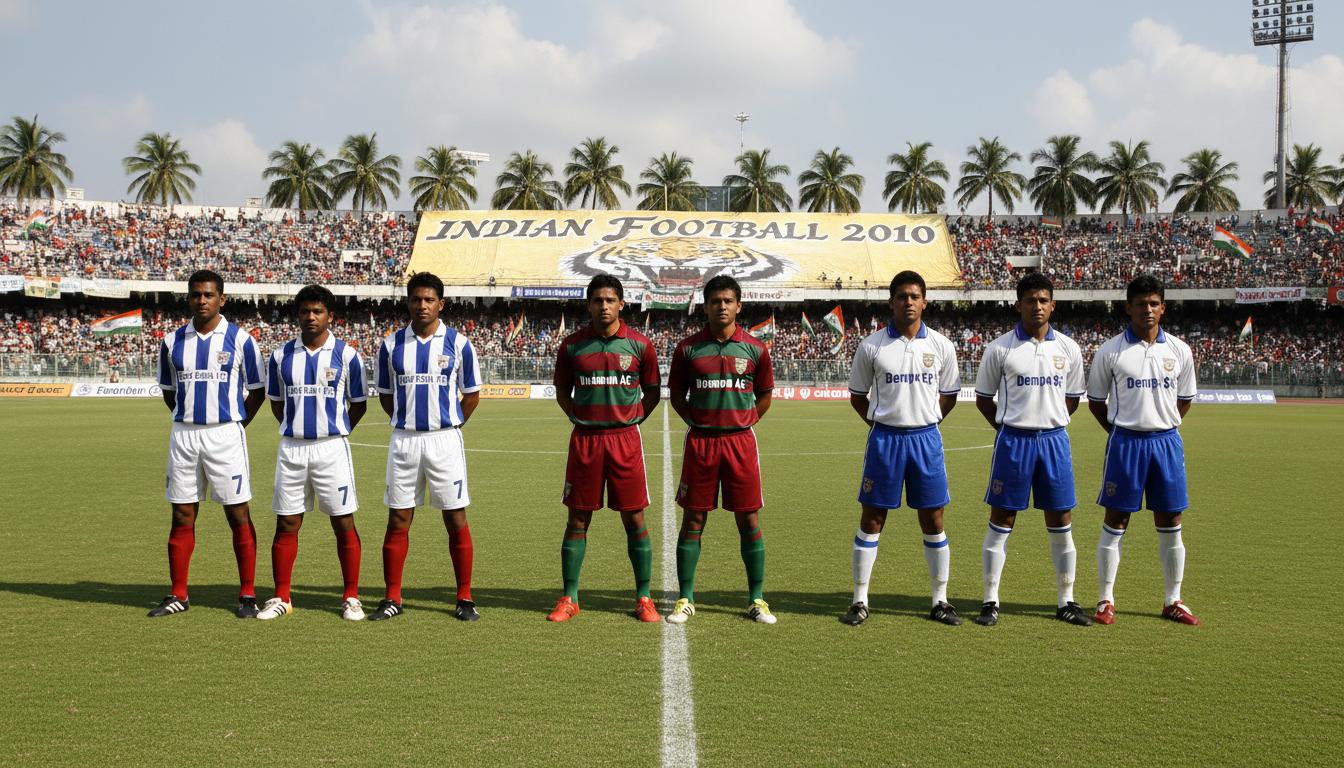
Weather shows up to every game and practice whether teams invited it or not. Rain slicks the turf, heat steals punch and focus, and wind can rearrange the flight of a ball or the plan of an entire contest. Coaches, officials, and athletes who understand how these elements affect safety, equipment, and tactics make better decisions on the fly.
How weather shapes play and safety
Weather alters both the visible game — where the ball goes, how players move — and the invisible risks, such as heat illness or the danger of lightning. A few degrees of temperature change or a gust that bends the ball can flip a strategy from effective to reckless. Recognizing the difference between nuisance conditions and hazards is a practical skill that often decides whether a contest continues or is postponed.
Officials and medical staff increasingly rely on objective measures — wet-bulb globe temperature (WBGT), lightning detection, and field drainage reports — instead of intuition alone. These tools translate weather into actionable thresholds: when to hydrate more aggressively, when to call a timeout, and when to clear the field entirely.
Rain: slick surfaces, slowed momentum, and strategy shifts
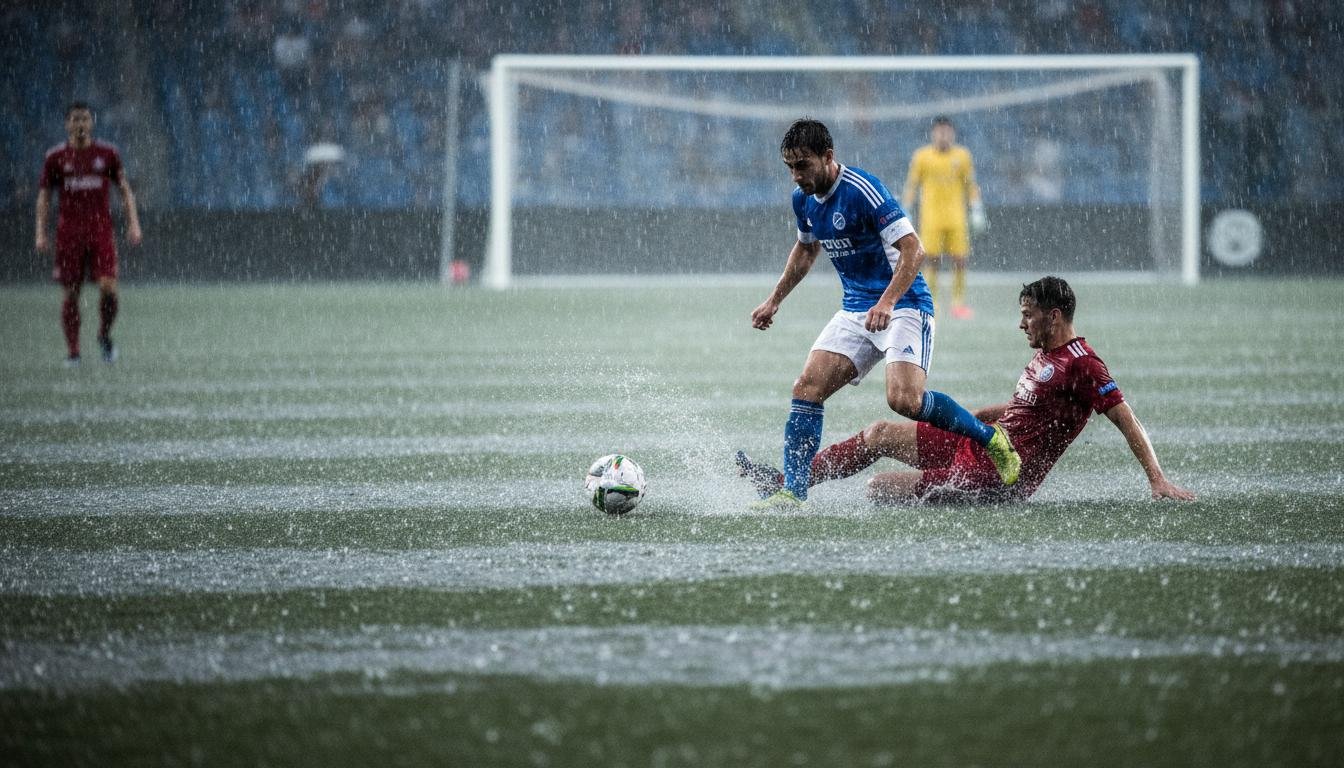
Rain reduces surface traction and alters the interaction between footwear and ground. On grass and turf, rain can compact the topsoil and create slick studs underfoot, increasing slip risk during cuts and tackles. Players accustomed to dry surfaces often struggle to adjust their stride length and torque, which raises injury risk if they don’t compensate.
Ball behavior changes too. Wet balls pick up water, become heavier, and skid unpredictably. In soccer and rugby, goalkeeper handling becomes more difficult; in baseball, pitchers report different grip and release sensations. Coaches often simplify tactics during steady rain, emphasizing short passes and conservative play to reduce turnovers caused by slippery conditions.
Field maintenance matters more in wet weather than almost any other factor. Good drainage, sand-slit systems on artificial turf, and timely turf repairs reduce pooling and preserve consistent footing. Tournament planners pay attention to soil type and pitch orientation when anticipating rainy windows to avoid uneven playing conditions.
Practical adjustments and equipment
Teams change shoes, tape fingers and wrists differently, and swap to balls that match the conditions. Cleat choice is a small but meaningful decision: longer studs help cut into soft ground, while shorter or molded patterns reduce mud clogging on synthetic surfaces. Gloves with textured palms offer incremental advantages for catchers and keepers.
Referees and competition managers also have to judge visibility and field safety. Laws of the game give referees discretion to suspend or abandon matches when conditions become dangerous, and many leagues publish clear protocols for rescheduling. Clear decision rules reduce the scramble and controversy when a sudden storm arrives.
Heat: physiology, risk, and management
Heat affects performance at the cellular level. When core temperature rises, muscles fatigue sooner, decision-making slows, and coordination degrades. Dehydration compounds these effects by reducing blood volume, which impairs cooling and oxygen delivery to working muscles.
Exertional heat illness spans a spectrum from cramps to heat exhaustion and life-threatening exertional heat stroke. High humidity makes the problem worse because sweat cannot evaporate as effectively, so authorities use combined measures like WBGT rather than air temperature alone to decide on activity modifications.
Prevention, monitoring, and on-site care
Hydration strategies, acclimatization, and scheduled rest breaks are proven mitigations. Acclimatization over 7–14 days reduces risk substantially; teams that arrive early in hot climates for training gain a real physiological edge. Frequent water and electrolyte access combined with shaded recovery areas improves safety and sustained effort during long sessions.
Real-life practice: I once coached a summer youth camp where a midday scrimmage turned sluggish despite high motivation. Implementing 10-minute shaded rotations and pre-arranged electrolyte drinks kept heat-related fatigue manageable and the session productive. Simple protocols like that scale up for high school and collegiate programs.
Medical staff should have cooling tools on-site: ice tubs or cold-water immersion for severe cases, misting fans, and rapid assessment plans for altered mental status. Quick action is the difference between a recoverable heat exhaustion and a catastrophic incident.
Wind: the invisible opponent
Wind can be a subtle adversary or an obvious one. In outdoor sports it reshapes trajectories, alters sprinting effort, and changes strategic choices. A strong headwind reduces ball carry dramatically in golf and long tosses in football, while a tailwind can make passes and punts travel farther than expected.
Crosswinds create the trickiest problems because they introduce lateral forces that players must compensate for mid-motion. In sports with aerial play — soccer long balls, baseball fly balls, or cricket deliveries — reading the wind becomes an acquired skill that separates veterans from novices.
Tactical responses and venue considerations
Teams adapt by choosing different plays, altering pitch selection, or changing field positioning. In soccer, managers might defend the wind-affected side in the first half to exploit a tailwind advantage at the end. In baseball, managers are more likely to call for fewer fly-ball strategies when a strong headwind dominates.
Venue design can mitigate wind impacts: windbreaks, stadium orientation, and surrounding structures change local wind behavior. Event planners use wind forecasts to set up temporary barriers or adjust start times for motorsport and sailing events, where wind direction is pivotal to fairness and safety.
Simple checklist for coaches and event managers
Preparation beats panic. A short checklist before any outdoor session reduces confusion and keeps participants safer. Consider these items: monitor forecasts and real-time conditions, check WBGT and lightning risk, ensure appropriate footwear and hydration, and brief officials on thresholds for suspension.
| Weather factor | Main risks | Typical mitigations |
|---|---|---|
| Rain | Slips, ball control issues, poor visibility | Proper cleats, simplified tactics, inspect drainage |
| Heat | Dehydration, heat illness, performance decline | Acclimatization, hydration/electrolytes, cooling stations |
| Wind | Altered ball flight, increased energy cost, strategy shifts | Play selection, field positioning, temporary windbreaks |
When to delay, suspend, or cancel
Not every inconvenience becomes a cancellation. The right decision combines objective thresholds and context: lightning within a specified radius requires evacuation and a mandatory wait period, extreme WBGT readings trigger modified activity levels, and standing water that causes dangerous slips may force postponement.
Clear protocols backed by authoritative guidance help teams avoid subjective disputes. When medical or safety thresholds are codified — by national governing bodies, leagues, or facility managers — decisions come faster and with less controversy.
Final thoughts: treating weather as an opponent you can scout
Weather is not random chaos during sport; it is another element to read, prepare for, and incorporate into planning. Teams that practice decision rules, keep simple equipment caches, and train athletes to adjust techniques perform better and stay safer under adverse conditions. That preparedness reflects respect for both competition and human limits.
On a practical note, bring an extra set of footwear, a lightweight tarp, and a clear alcohol-free cooling protocol for hot days. Those small moves have big returns—on performance, on safety, and on the quality of competition itself.
Sources and expert guidance
- National Weather Service — Sports and recreation safety: https://www.weather.gov/safety/sports
- NOAA/National Weather Service — Lightning safety: https://www.weather.gov/safety/lightning
- Centers for Disease Control and Prevention — Extreme heat: https://www.cdc.gov/disasters/extremeheat/index.html
- National Athletic Trainers’ Association — Exertional heat illness resources: https://www.nata.org/
- International Football Association Board (IFAB) / Laws of the Game — Match abandonment and referee authority: https://www.theifab.com/
- United States Golf Association — Wind and ball flight considerations: https://www.usga.org/