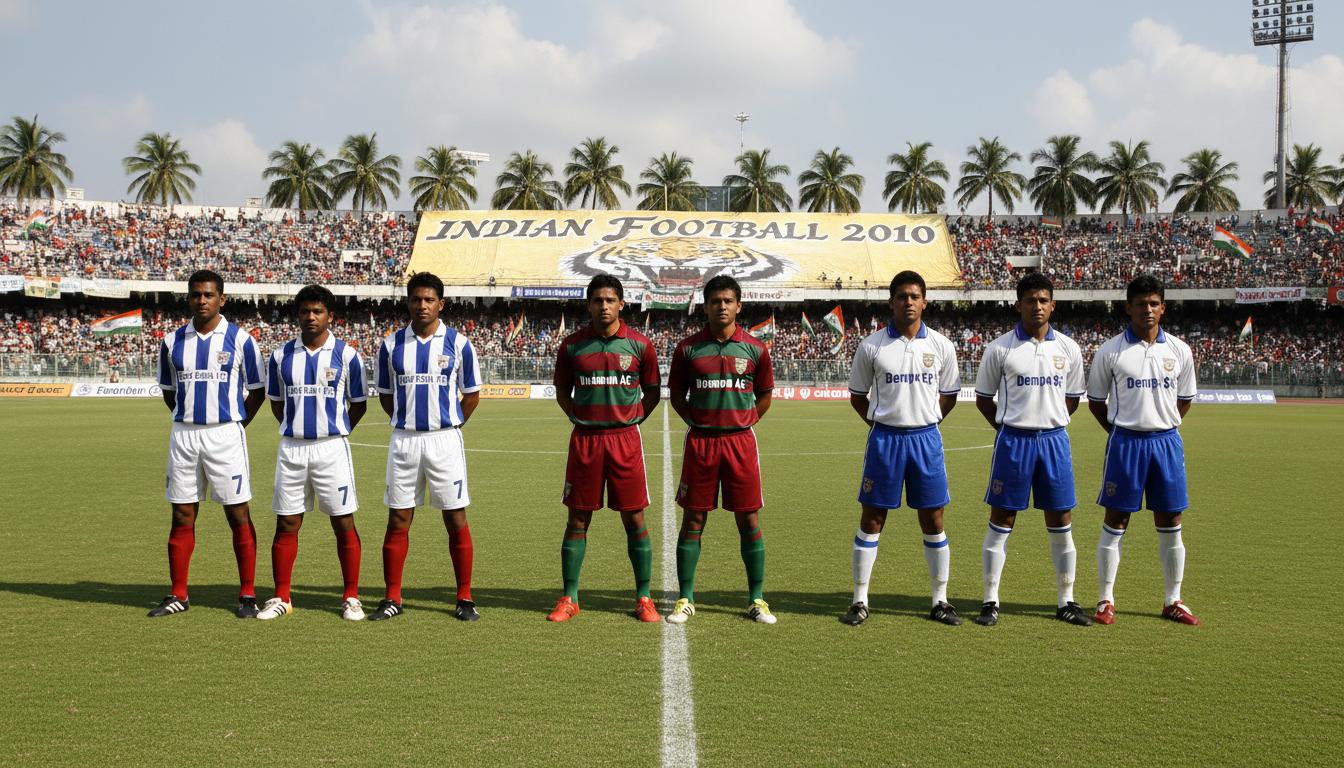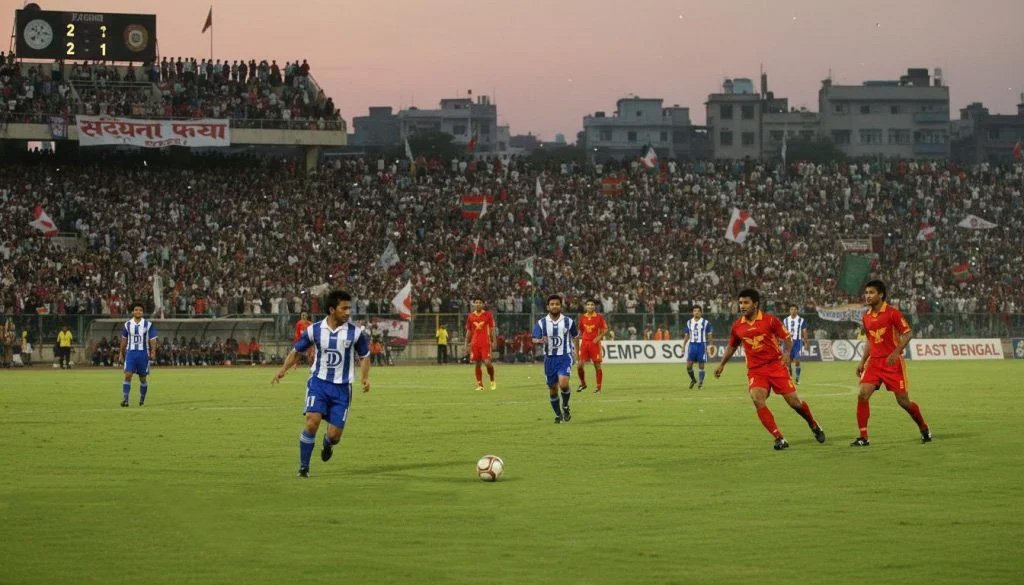
The year 2010 was a crossroads for Indian club football: traditional powerhouses held their ground, new projects began to creep up the ladder, and the I-League framework was still shaping which clubs could aim for consistent success. Looking back at that season reveals more than trophies — it shows how regional passion, improved coaching, and investment started remaking the domestic landscape. This article revisits the sides that mattered most in 2010 and explains why they earned attention on and off the pitch.
Setting the scene: Indian football in 2010
By 2010 the I-League had become the primary national competition, replacing the old National Football League and attempting to professionalize club football. State leagues like the Kolkata and Goa competitions retained deep-rooted importance, supplying talent and fierce local rivalries that fed national interest.
Clubs that combined strong local support, stable management, and smart recruitment tended to outpace others. Those elements explain why some teams dominated not just matches but the conversation around Indian football that year.
Why these clubs stood out
When naming the best teams of 2010, I prioritized a mix of competitive results, infrastructure, and influence — the ability to attract fans, improve youth pathways, and represent India in continental competitions. Success in the league mattered, but so did consistency across cups, state leagues, and player development.
Below are the clubs that, in 2010, most clearly met those standards. Each entry highlights what made the side notable that year, drawing from league performances and the broader context around Indian football.
Dempo SC (Goa)
Dempo was the benchmark for modern Indian club success around 2010. The Goan side combined local dominance with competitive showings in continental tournaments, and they were widely respected for their organization and scouting.
On the pitch Dempo played attractive, possession-oriented football for the time, and off the pitch they invested in youth and facilities. That long-term approach translated into trophies and sustained status as one of India’s best teams.
Churchill Brothers (Goa)
Churchill Brothers were a persistent contender in league play and a team with a reputation for goal-scoring forwards and solid coaching. Their presence in the top tier of Goan and national football made them a regular headline maker in 2010.
The club’s structure supported competitive recruitment and a strong local pipeline. For supporters and neutrals alike, Churchill represented the kind of ambitious provincial club that could challenge for titles year after year.
East Bengal (Kolkata)
East Bengal remained one of Indian football’s blue-chip brands in 2010, backed by decades of success and a fanbase that filled stadiums for the Kolkata derbies. Their strong performance in the Calcutta Football League and cup competitions kept them among the elite.
Beyond matchday drama, East Bengal’s ability to attract marquee players and coach talent helped them stay relevant in the national conversation. The club’s commercial and cultural reach made them a pillar of Indian football at the time.
Mohun Bagan (Kolkata)
Mohun Bagan’s history and tradition were inseparable from Indian football’s identity, and in 2010 they continued to be a standard-bearer. Results fluctuated season to season, but the club’s infrastructure, youth focus, and passionate supporters made them unavoidable in any discussion of top teams.
Matches between Mohun Bagan and East Bengal defined the sporting calendar in Kolkata, and those fixtures helped maintain a spotlight on both clubs even when league fortunes varied.
Salgaocar (Goa)
Salgaocar offered a balanced mix of youth and experience in 2010, anchored by strong performances in the Goa Professional League and respectable showings nationally. Their commitment to local talent development set them apart from clubs that relied heavily on external recruits.
As with other Goan clubs, Salgaocar benefited from a football-rich culture and a well-organized local system that produced technically sound players able to compete at higher levels.
Pune FC (Maharashtra)
Pune FC represented a newer model for Indian clubs: professionally managed, with a focus on coaching standards, youth academies, and community outreach. Launched only a few years earlier, by 2010 Pune was already making waves for its off-field professionalism.
Their steady approach paid dividends on the pitch through disciplined performances and a reputation for nurturing young players. Pune’s emergence showed that investment and structure could shorten the gap with older, more established clubs.
Mahindra United (Mumbai) — a notable exit
Mahindra United had been one of India’s strongest clubs in the 2000s, known for consistent league performances and good administration. In 2010 the club’s management made the surprising decision to disband the professional team and redirect resources to grassroots and institutional football.
That move marked a turning point: losing a well-run club from the national league illustrated how economics and corporate priorities could reshape the club landscape. Mahindra’s exit left a gap at the top level and accelerated conversations about sustainable models for Indian football.
The role of state leagues and cups
It’s important to recognize that in 2010 the true power of Indian clubs often showed in state competitions and national cup tournaments. Success in the Calcutta Football League, Goa Professional League, and the Federation Cup carried as much weight for local pride and player development as I-League results.
For many clubs, strong showings in these competitions provided momentum and financial support. They were also scouting grounds, where smaller teams could spring surprises and force national attention.
What 2010 meant for Indian club football moving forward
The pattern that emerges from 2010 is clear: clubs that combined institutional backing, smart recruitment, and local talent development rose to the top. Teams that invested in youth systems and coaching began to close gaps with traditional powerhouses.
That season set the stage for future changes — the expansion of professional structures, more attention from sponsors, and a gradual push toward better stadiums and training facilities. Those shifts wouldn’t pay off overnight, but 2010 was a hinge year for what came next.
Sources and experts consulted
- All India Football Federation (AIFF) — governing body and archival material.
- I-League official site — records and historical context for national competition.
- RSSSF — India 2010 season overview — statistical summaries and season notes.
- The Hindu — sports coverage — contemporary reporting on club decisions and league developments.
- ESPN India — football reporting — match reports and analysis from the period.