2010 felt like a turning point for WWE: long-running main-event chapters were closing, new faces were pushing through, and television moments — some chaotic, some brilliantly paced — left real-time reactions that still echo. This piece looks back at the performers who shaped that year, not just by holding gold but by changing the weekly rhythm of Raw and SmackDown, creating memorable storylines, and giving fans reasons to tune in every week.
Why 2010 stands out in modern WWE history
The era around 2010 blended veterans still at the top of their game with abrupt, attention-grabbing debuts that forced creative adjustments. Television storytelling leaned heavily on surprise and faction warfare, and WWE’s rosters were juggling established stars with rapid call-ups from developmental systems and international signings.
For fans, that meant unpredictability. A single Monday night could feature a heated title feud, a shocking debut, and a fresh midcard rivalry that promised to deliver for months — and many of the wrestlers who delivered best that year combined adaptability with strong character work.
Top singles performers who carried the show
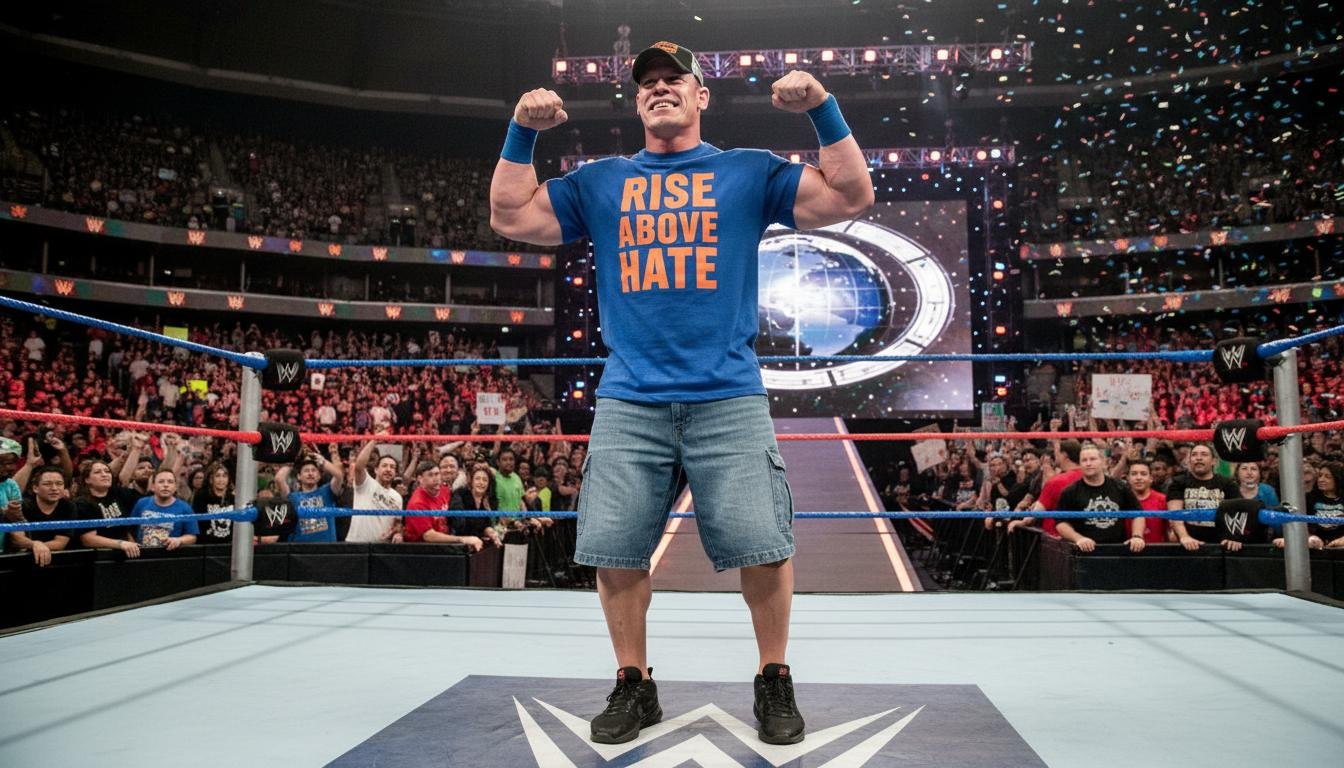
A handful of individuals anchored WWE programming throughout 2010, blending in-ring credibility with clear character motivations. John Cena remained the cornerstone: a reliable draw who headlined pay-per-views and carried major feuds, continuing to be the measurement against which other main-eventers were judged.
Randy Orton held a unique place as a top heel and occasional champion, offering the cold-calculated menace that television needs to make babyfaces look heroic. His promos and match psychology were steadying forces in a year full of quick shifts.
The Miz: from midcard to central figure
The Miz was a textbook example of how television charisma can convert into top-tier opportunity. Initially known for confident mic work more than elite mat skills, he used character work, careful crowd interaction, and opportunistic storytelling to elevate his profile during 2010.
What made The Miz important that year wasn’t only title runs but the way his personality sold the idea that a reality-TV vet could become a central WWE player — a transformation that changed how the company presented certain undercard performers.
Undertaker and Edge: veterans who still mattered
So much of WWE’s identity depends on its legends’ ability to make contemporary talent look significant, and both Undertaker and Edge did that in 2010. They weren’t wrestling every week, but when they appeared the show’s tone shifted, offering high-stakes matches and emotional beats that younger stars could build toward.
Those measured, high-impact appearances helped backstage storytelling and gave fans marquee moments across the calendar, preserving the sense that WWE’s history was still part of daily programming.
Rising stars and unforgettable debuts
2010 introduced or elevated a cluster of new talents and call-ups who would matter for years. The debut of the Nexus faction shook the roster by attacking established names and forcing long-term storyline rewrites — a rare instance where a single angle had a week-to-week ripple effect on virtually every show.
Similarly, individual newcomers who were gaining momentum in 2010 combined raw physical tools with clear character hooks, making the audience willing to take a chance on them as either future stars or compelling role players.
CM Punk and Rey Mysterio: quietly reshaping their lanes
CM Punk in 2010 was a case of subtle but steady escalation. He was building credibility with intelligent promo work and strong in-ring matches, quietly convincing the audience he belonged among the top players even before the full run of his breakout years.
Rey Mysterio remained a fan favorite for his high-octane style and underdog storytelling. His capacity to make opponents look dangerous while remaining sympathetic kept him relevant across multiple programs and title scenes.
Tag teams, midcard work, and the depth that year offered
Outside the headline singles scene, the tag team and midcard divisions delivered essential variety. The tag landscape gave younger wrestlers a platform to round out skills and allowed experienced performers to stay visible without full-time main-event pressure.
That layer of the roster is easy to overlook when focusing on champions, but in 2010 teams and midcarders drove weekly television, supplying both comedic relief and serious storytelling that sustained long-term feuds.
Honorable mentions and the noisy, creative roster
Beyond the marquee names, 2010 was fertile ground for future stars who cut their teeth in tough television scenarios. Guys like Dolph Ziggler, Kofi Kingston, and members of Nexus were building repertoires that would blossom later, while several part-timers and veterans kept the product balanced.
These contributors mattered because they made every show feel like a place where new things could happen — and that unpredictability kept viewers invested beyond the main events.
How these performers changed the fan experience
The best wrestlers of 2010 weren’t just those who won the most matches; they were the ones who made the weekly television appointment feel necessary. Whether through a promo that altered viewer expectations or a debut that shocked an arena, those moments shaped fan conversation and the company’s booking decisions for months afterward.
As someone who watched WWE throughout that year, I remember evenings when the post-show discussions felt as important as the events themselves — a sign that storytelling had hooked audiences in new, communal ways.
Snapshot: who mattered most
To summarize without getting lost in title counts, the wrestlers who stood out in 2010 combined credibility, character, and timing. They were veterans who elevated younger opponents, rising stars who seized attention, and charmers who turned small opportunities into big moments.
| Wrestler | Why notable in 2010 |
|---|---|
| John Cena | Consistent main-event presence and ratings anchor |
| Randy Orton | Top heel with strong storyline placements |
| The Miz | Television charisma and rapid rise in profile |
| CM Punk | Quiet momentum-building and sharp promos |
| Undertaker | Legendary presence that elevated big matches |
| Nexus (faction) | Disruptive debut that reshaped weekly TV |
Where to look for deeper takes and archives
If you want to revisit pay-per-view cards, episode recaps, or contemporary reporting from 2010, WWE’s own year-round coverage is a primary source, and long-form wrestling journalism from the era captures the week-to-week heat. For statistical breakdowns and rankings, established outlets maintain searchable archives.
These resources are useful if you want match results, award lists, or blow-by-blow accounts of the most talked-about segments from the year.
Looking back, 2010 reads like a hinge year: it held onto the names that had defined the prior decade while launching stories and characters that would dominate the next. That blend of stability and disruption produced some of the most conversation-worthy weeks in modern WWE television.