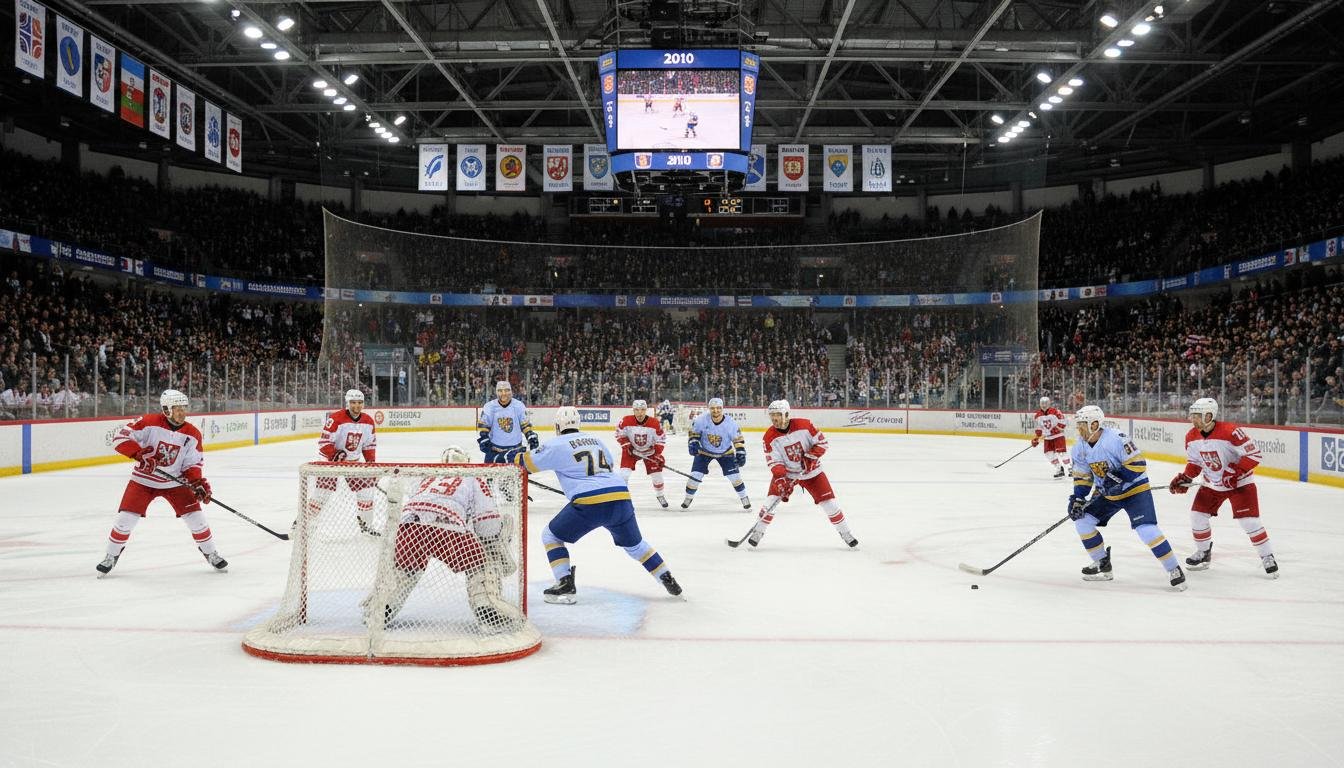
The landscape of European club hockey in 2010 was a patchwork of long histories, fresh rivalries, and rising ambitions. From the sprawling budgets of Russian clubs to the community-rooted powerhouses of Scandinavia and Switzerland, several teams set the standard for play, player development, and continental influence that year. This article walks through the strongest clubs and leagues in Europe around 2010, explaining why they mattered and how they shaped the decade that followed.
Russia and the KHL: money, talent, and a new continental ambition
By 2010 the Kontinental Hockey League (KHL) had already begun to change the balance of power in Europe. Backed by deep-pocketed owners and a desire to retain top-level talent at home, KHL clubs were able to lure star players from the NHL and to invest aggressively in infrastructure and coaching.
Teams such as Ak Bars Kazan, Dynamo Moscow, SKA St. Petersburg, and CSKA Moscow were frequently mentioned in the same breath as European elite. They combined international rosters with Russian-born stars and invested in stronger youth programs, creating rosters that could compete with any club in the world on a given night.
Notable KHL-era clubs in 2010
| Club | Country | Why they stood out in 2010 |
|---|---|---|
| Ak Bars Kazan | Russia | Strong roster depth and consistent postseason presence |
| SKA St. Petersburg | Russia | A growing financial force with high-profile signings |
| Dynamo Moscow | Russia | Experienced management and a mix of veteran and young talent |
| CSKA Moscow | Russia | Historic brand with renewed investment and ambition |
Sweden: tactical systems and deep club traditions
Swedish teams continued to be a model of organization and player development in 2010. Clubs in the Swedish Hockey League (then Elitserien) combined disciplined systems with a steady pipeline of NHL-ready talent. Teams like Färjestad BK, HV71, and Frölunda HC were standard-bearers for a style that prized skating, structure, and smart transition play.
Sweden’s clubs were also notable for their ability to produce two-way forwards and technically skilled defensemen who adapted quickly to different styles of play. This emphasis on coaching and youth development made Swedish teams both competitive domestically and attractive recruiters of returning expatriates and international free agents.
Finland and the Liiga: a compact, intense hockey culture
Finland’s top league (Liiga) favored speed, work ethic, and a team-first mentality in 2010. Clubs such as Kärpät, HIFK, and TPS carried reputations for producing gritty, tactically aware players who fit neatly into national-team plans and NHL rosters alike. The Finnish model emphasized coaching continuity and a close connection between pro clubs and junior systems.
I remember watching Kärpät play in Oulu that winter: the arena was smaller than many in Russia or Sweden but the atmosphere was electric—disciplined forechecking, relentless backchecking, and players who seemed to have grown up understanding how to play within a system. Small rinks and passionate local support kept the games intense and the talent pipeline flowing.
Czech Republic and Slovakia: skilled traditions and passionate fans
Central Europe’s hockey culture remained vibrant in 2010. The Czech Extraliga and the Slovak Extraliga produced technically gifted forwards and creative playmakers who were staples of both domestic leagues and national teams. Clubs such as HC Sparta Praha, HC Pardubice, and HC Slovan Bratislava had deep followings and histories that lent every matchup a sense of occasion.
These leagues also served as important development grounds. Young players often matured in front of knowledgeable crowds and then moved to larger markets or abroad. The technical skill set of Czech and Slovak players—clean puck handling and clever offensive movement—continued to make these clubs a respected part of the European ecosystem.
Switzerland and Germany: steady growth and growing competitiveness
Switzerland’s National League A (NLA) and Germany’s DEL were both on upward trajectories in 2010. Swiss teams like SC Bern, ZSC Lions, and HC Davos combined strong finances, attractive living conditions, and competitive salaries to attract international talent. The result was a higher standard of play and some deep playoff series that drew European attention.
Germany’s Eisbären Berlin and Adler Mannheim were investing in fan experience and youth academies, which gradually translated to better results on the ice. Both leagues began to position themselves as attractive alternatives for players seeking competitive hockey outside the traditional powerhouses.
Players, transfers, and the talent market in 2010
One of the defining features of 2010 was increased player mobility. The KHL’s rise created a new destination for players who had previously chosen North America or Scandinavia. At the same time, Europe remained a fertile hunting ground for NHL scouts searching for two-way forwards and mobile defensemen with strong tactical awareness.
Several European clubs built their reputations by developing prospects and selling them on or by signing veteran leaders returning from the NHL. This fluid market made club lists look different from year to year but also raised the overall quality of play across leagues.
Why these teams mattered beyond trophies
It’s tempting to judge clubs only by titles, but in 2010 the most important impact came from how teams built for the future. Investment in youth systems, coaching education, and facilities created sustainable strength. Clubs that emphasized development—be they in Sweden, Finland, or Switzerland—left a larger footprint on international tournaments and on the NHL draft boards.
That broader influence is visible even today: many players who emerged from European clubs around 2010 became core contributors on national teams and in the NHL. The playing style, coaching philosophies, and administrative choices made that year helped shape European hockey’s evolution across the decade.
Where to dig deeper
If you want statistics, rosters, or season summaries from 2010, authoritative sources such as the International Ice Hockey Federation (IIHF), league websites, and respected databases will give you the detailed records. These resources provide season-by-season data, playoff archives, and official club histories for anyone doing a deeper dive.
Exploring game footage from that season also reveals subtle shifts in strategy—how teams adjusted to faster puck movement, how power plays evolved, and how goaltending techniques adapted to new shot patterns. For a fan or researcher, watching a handful of playoff games from several European leagues in 2010 is illuminating.
European club hockey in 2010 was unequaled in variety: from the high-spending ambitions of KHL teams to the developmental rigor of Nordic clubs and the steady professionalization of Swiss and German leagues. Those dynamics produced memorable rivalries, launched players’ careers, and set patterns that continue to influence the sport. For anyone interested in how modern European hockey took shape, 2010 is a compelling year to study.