Italian basketball in 2010 was a study in contrast: one club asserting clear dominance while a familiar chorus of historic names jostled for status and European recognition. This article walks through the clubs that mattered that year, the competitive landscape at home and abroad, and the on-court and organizational reasons those teams stood out. Expect a mix of context, facts grounded in league records, and a few impressions drawn from contemporary reporting and archived game coverage.
A snapshot of Italian basketball in 2010
By 2010 the Lega Basket Serie A (Italy’s top flight) had settled into a pattern where a few well-funded teams could build deep rosters mixing Italian talent and experienced foreign imports. Clubs were measured not only by domestic results but by how they fared in Euroleague and Eurocup play, which increasingly defined prestige and financial health.
Attendance, media coverage, and youth development remained important metrics. Teams that combined strong home-court atmospheres with sustainable youth pipelines tended to remain relevant year after year, even when single-season funding shifted the balance of power.
Montepaschi Siena: the standard-bearer
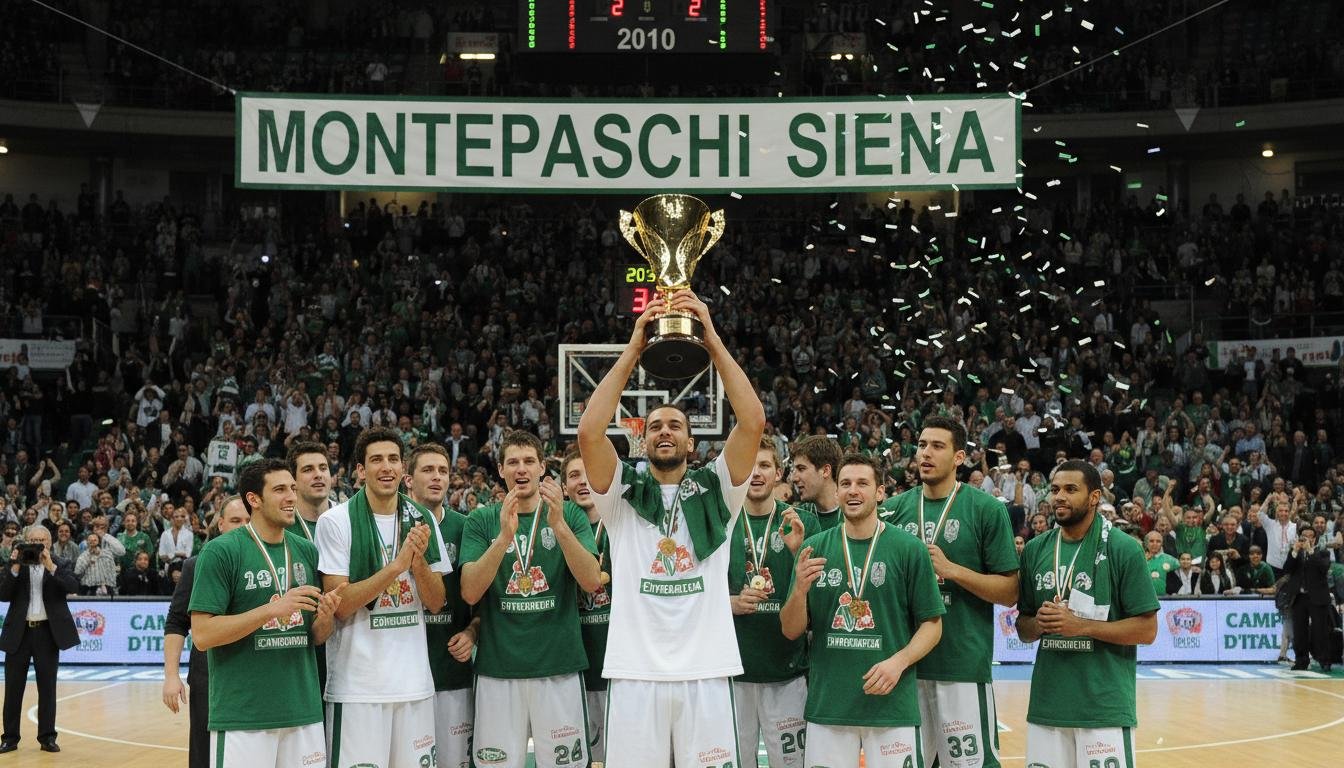
Montepaschi Siena was the defining team of this era and the clearest answer to who led Italian basketball in 2010. The club collected multiple Serie A titles across the late 2000s and entered 2010 as the reference point for excellence in coaching, recruitment, and European ambition.
Siena’s formula blended a shrewd front office, a coach able to manage a deep rotation, and a mix of quality imports and reliable Italian contributors. The organization’s consistency on and off the court made it the benchmark for rivals trying to build their own long-term competitiveness.
Other domestic powerhouses
Benetton Treviso
Benetton Treviso had long been a cornerstone of Italian basketball, known for a strong youth system and solid performances in domestic competition. In 2010 the club still carried the reputation of producing and polishing Italian talent, even as its role in Euroleague play fluctuated with changing budgets and sponsorships.
Treviso’s legacy was as much about player development as it was about trophies, and that sustained influence kept it among the teams worth watching for both talent scouts and fans of Italian basketball.
Lottomatica Roma
Virtus Roma, competing under Lottomatica sponsorship at the time, was another consistent presence in the upper tier of Serie A. The club prided itself on attracting experienced leaders and on bringing a passionate Rome fan base to games at the PalaLottomatica.
Rome’s management often looked to balance domestic ambitions with periodic European campaigns, and that dual focus made the club a familiar opponent for the league’s elite.
Olimpia Milano
Olimpia Milano — historically Italy’s most storied basketball institution — was in a rebuilding and investment phase around 2010. The club’s name carries weight, and with the right financial backing Milano has shown repeatedly it can compete at the very top domestically and in Europe.
In 2010, the team’s strategic moves and brand power signaled an intent to reclaim a position among Italy’s elite, and that off-court commitment translated into roster upgrades and renewed fan energy.
Virtus Bologna and Pallacanestro Cantù
Virtus Bologna and Pallacanestro Cantù brought history and pedigree to the conversation. Both clubs have storied pasts filled with national and continental success, and both remained competitive presences in 2010 even when they weren’t consistently challenging for the championship.
These teams offered strong local followings, experienced management, and occasional runs in European competitions—factors that kept them central to debates about who the “best” clubs truly were.
How these teams performed in European competition
European tournaments provided a useful cross-check on domestic reputations. Clubs that reached the Euroleague Top 16 or made deep Eurocup runs demonstrated a roster depth and tactical sophistication that domestic success alone couldn’t prove. Participation also affected budgets and scheduling, influencing how clubs prioritized different competitions.
Montepaschi Siena consistently made the case for Italian strength in Europe, while other clubs used continental play to develop younger players and test tactical flexibility against varied styles from Spain, Greece, and Turkey.
Key players and coaching influences in 2010
The era featured a pragmatic blend of veteran leadership and adaptable younger scorers. Many successful Italian teams relied on experienced foreign guards who could create in late-game situations and on Italian rotational players who provided defensive intensity and local continuity.
Coaches who emphasized disciplined defenses, well-structured pick-and-rolls, and attention to situational coaching tended to get the most out of mixed rosters. That coaching stability often separated squads that could sustain form across long domestic seasons from those that peaked briefly and faded.
Arena atmosphere and fan culture
A strong home court mattered. Cities like Siena, Rome, Milan, and Bologna produced vibrant game nights, with organized supporter groups creating noise and pressure that influenced results. Halls like Siena’s Palasport or Milan’s PalaLido offered intimate environments where tactical adjustments and late-game heroics mattered even more.
That culture helped explain why certain teams overperformed at home and why rivalries in Italy carried unique intensity. Fans remained a decisive element in the sport’s continued appeal and in the identity of clubs beyond their win-loss records.
Table: notable clubs in Italy circa 2010
| Club | City | Why notable in 2010 |
|---|---|---|
| Montepaschi Siena | Siena | Domestic dominance and strong European presence |
| Benetton Treviso | Treviso | Reputation for youth development and consistent competitiveness |
| Lottomatica Roma | Rome | Strong roster investments and passionate fan base |
| Olimpia Milano | Milan | Historic brand undergoing strategic rebuilding |
| Virtus Bologna / Cantù | Bologna / Cantù | Long histories and occasional European campaigns |
Development, youth systems, and long-term impact
A major theme around 2010 was the tension between short-term investment to chase titles and long-term youth development that ensured sustainability. Clubs that balanced these two aims tended to weather financial cycles better and to supply talent to the national team and to foreign leagues.
Italian clubs that invested in coaching at the youth level and in scouting local regions left a legacy that sometimes only revealed itself years later, when players matured into starters or transferred for significant fees.
Personal perspective and contemporary coverage
Reviewing match reports, archived broadcasts, and season summaries from 2010 gives a clear impression of a league in transition: proud histories, a dominant club in Siena, and several ambitious projects aiming to close the gap. Contemporary sports journalism emphasized the flux of rosters and the importance of European competition to club budgets.
As someone who followed game recaps and season analyses from that period, I noticed how tactical conservatism—defense-first coaching, controlled pace—was rewarded in playoff basketball, while teams that tried to emulate faster, higher-scoring models sometimes found inconsistent results.
The 2010 landscape in Italian basketball was rich and layered: a dominant champion, a ring of historical powers maintaining relevance, and a pipeline of talent shaping the future. Fans of the era remember tight playoff series and memorable European nights that kept the league competitive and culturally important across Italy.