In 2010 German club basketball was a lively mix of tradition, rising ambition, and gritty regional pride. Fans packed arenas from Berlin to Bamberg, and a handful of clubs stood out for consistent results, European outings, and energetic fanbases. This piece looks back at the teams that defined that season, what made them competitive, and how they shaped the German game going forward.
What defined a top team in 2010?
Success in 2010 hinged on three things: a stable club structure, smart recruitment, and performance in both the Basketball Bundesliga (BBL) and European competitions. Teams that combined domestic success with credible continental campaigns were regarded as the strongest. Financial stability and good coaching turned promising rosters into titles and playoff runs.
Another factor was development—clubs that produced or integrated young German talent had an edge. The league was evolving rapidly at this time, and teams that invested in youth and infrastructure tended to stay near the top of the table. That balance between immediate results and long-term planning separated contenders from one-season wonders.
Brose Baskets Bamberg: the benchmark of consistency
Brose Baskets Bamberg earned a reputation as a standard-bearer for German basketball around 2010. The club combined solid domestic results with regular appearances in European competitions, carving out a winning culture that other teams tried to emulate. Bamberg’s emphasis on scouting and finding role players who fit a precise system paid off on the court.
The city’s compact arena delivered an intense atmosphere that amplified the team’s strengths. Bamberg’s model—professional management, steady investment, and careful roster building—illustrated how a mid-sized German city could support a top-level basketball program. That template influenced several clubs across the BBL in the years that followed.
ALBA Berlin: history, style, and visibility
ALBA Berlin was the capital’s most recognizable basketball brand and remained one of Germany’s elite clubs in 2010. With a history of national titles and frequent European outings, ALBA offered a blend of flashy offense and strong youth development. The team’s visibility in Berlin, combined with marketing and fan engagement, kept it in the national spotlight.
ALBA’s presence in the Euroleague and other continental tournaments boosted the reputation of the Bundesliga as a serious league. For players and coaches, Berlin was a high-profile destination: success there meant exposure across Europe. That helped ALBA maintain a pipeline of talent and attract experienced imports when needed.
Artland Dragons and EWE Baskets Oldenburg: the underdog challengers
Smaller-market clubs like Artland Dragons and EWE Baskets Oldenburg were proof that good organization could upset bigger budgets. Both teams combined savvy recruitment with strong home-court advantages, producing playoff runs that captured attention. They were known for disciplined systems and players who fit well together rather than relying on a single star.
These clubs also emphasized community connection. Fans in smaller German cities showed remarkable loyalty, creating atmospheres that rivals in larger markets envied. That passionate backing made these teams hard to beat at home and helped them punch above their financial weight in the league standings.
Telekom Baskets Bonn and Skyliners Frankfurt: development and tradition
Telekom Baskets Bonn and Skyliners Frankfurt were clubs with deep roots and a focus on player development, keeping them prominent in 2010. Bonn combined experienced veterans with up-and-coming talent, while Frankfurt maintained a reputation for structured coaching and a steady youth program. Both clubs have contributed numerous players to the German national team pipeline.
These teams demonstrate how steady investment in coaching and facilities yields consistent competitiveness. Even when they weren’t contending for a championship, their ability to develop talent and challenge top teams helped maintain the BBL’s overall quality. Their alumni lists include several players who later had strong professional careers domestically and abroad.
Bayern Munich and the changing balance of power
In 2010 Bayern Munich’s basketball program was not yet the European-level power it later became, but the club’s broader ambitions were clear. Investments and organizational changes hinted at a future shift in the German balance of power. Clubs like Bayern showed how large, multi-sport organizations could alter the landscape when they committed resources to basketball.
The gradual rise of such ambitious projects meant traditional leaders had to adapt. For established clubs, the message was simple: maintain smart long-term planning, or risk being leapfrogged by teams with deeper pockets. This dynamic set the stage for an increasingly competitive league in the next decade.
German clubs in European competition
Participation in the Euroleague and Eurocup in 2010 gave German teams exposure to higher levels of play and helped raise tactical and physical standards back home. Teams that earned European slots had to balance domestic calendars with continental travel and stronger opponents. That pressure often highlighted the depth of a club’s roster and the competence of its coaching staff.
For fans, European nights were special occasions—rare chances to see the Bundesliga’s best matched against historic clubs from Spain, Greece, and Italy. Those games also helped German clubs attract better foreign players who wanted to compete at a continental level, which in turn raised the domestic standard.
Fan culture and regional identities
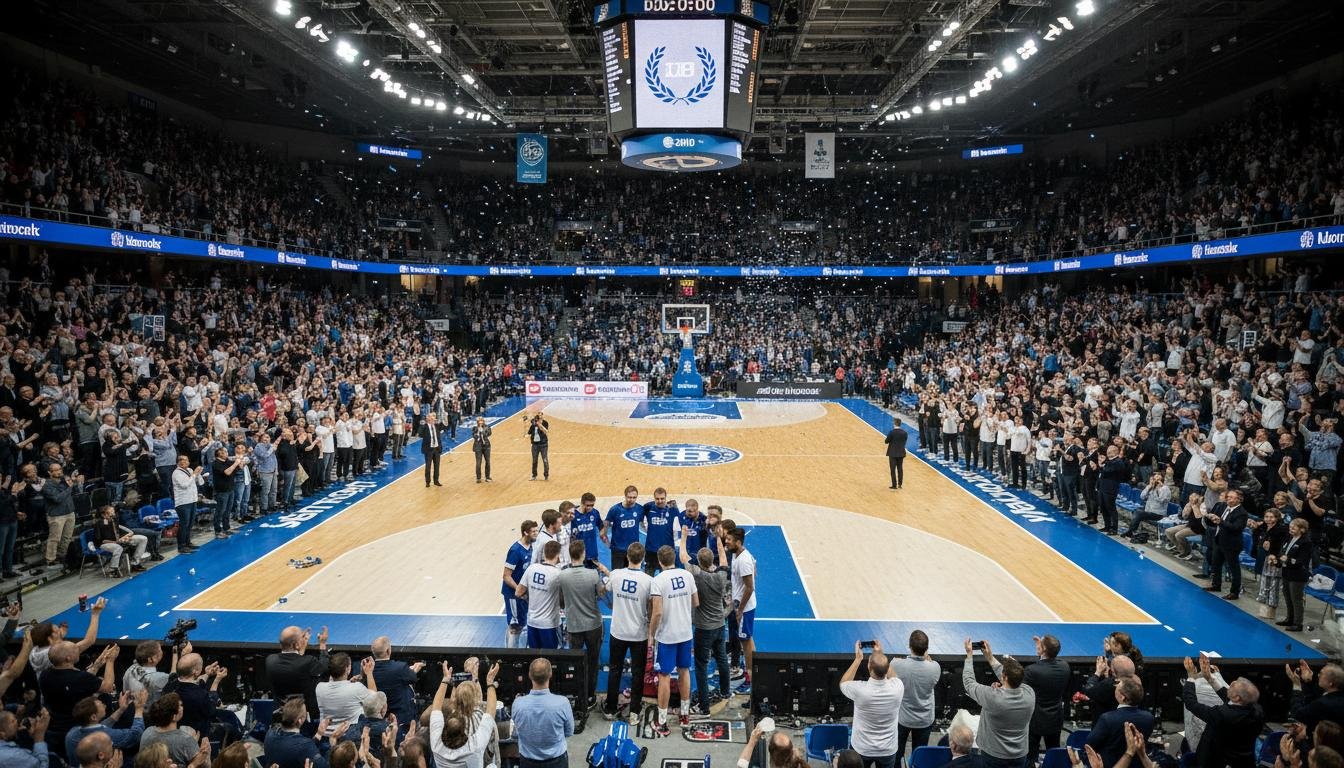
One of the defining features of German basketball in 2010 was the passionate, regionally rooted fan culture. From the organized ultras in Berlin to the close-knit communities in Bamberg and Oldenburg, fans created identities that matched their clubs’ playing styles. That loyalty translated into strong home records and memorable atmospheres during playoffs.
Clubs invested in fan engagement—community outreach, youth programs, and matchday experiences—because they understood the direct link between support and performance. The result was a healthier league with higher attendance and improved local media coverage, giving German basketball a firmer footing nationally.
Coaching and talent pipelines
Coaching quality in 2010 was a major differentiator. Clubs that hired coaches who could develop young players while also deploying smart tactical systems tended to enjoy longer stretches of success. The BBL was becoming known for coaches who blended American athleticism with European technical fundamentals.
Equally important were the youth academies and partnerships with local clubs. Teams that invested in academies not only cultivated future first-team players but also built stronger bonds with their communities. That long-term approach paid dividends by creating sustainable rosters and reducing reliance on expensive imports.
How the 2010 landscape influenced the next decade
The patterns visible in 2010—professional management, youth development, and a growing emphasis on European competition—shaped German basketball’s evolution. Clubs that institutionalized those principles prospered, while others struggled to keep pace. The league grew more competitive and attracted better sponsorships and media deals as a result.
Looking back, 2010 feels like a pivot point: the moment when several clubs moved from being national contenders to consistent European competitors. That transition elevated the profile of the BBL and nurtured a generation of players who would go on to compete internationally.
Where to learn more
If you want season-by-season details, official standings, and historical records, the BBL’s site and Euroleague archives are authoritative starting points. Club websites also keep historical rosters and season summaries that capture the texture of individual campaigns. For broad historical context, national federation pages and reputable sports archives provide useful timelines and statistics.
Exploring those sources will give you official standings, game results, and player stats to complement this narrative overview. For fans and researchers alike, those primary records are the best way to dive deeper into the specifics of the 2009–10 season and the teams that defined it.
Sources and experts
- Basketball Bundesliga (BBL) official site: https://www.easycredit-bbl.de
- Euroleague official archives: https://www.euroleague.net
- German Basketball Federation (Deutscher Basketball Bund): https://www.basketball-bund.de
- ALBA Berlin official site: https://www.albaberlin.de
- Brose Bamberg official site: https://www.brosebamberg.de
- 2009–10 Basketball Bundesliga season (overview and historical stats): https://en.wikipedia.org/wiki/2009%E2%80%9310_Basketball_Bundesliga