Spanish club basketball in 2010 sat at a rare peak: the domestic Liga ACB was widely regarded as the strongest national league in Europe and its top clubs were genuine continental contenders. That year produced memorable title races, intense derbies and a flow of talent between the ACB and the EuroLeague that shaped careers and rosters for seasons to come. Below I walk through the clubs that mattered most in 2010, why they stood out, and what made Spanish basketball so compelling at the time.
The shape of Spanish basketball in 2010
By 2010 the ACB had become both a developer of elite European talent and a destination for established stars seeking high-level club competition. Teams combined experienced veterans, promising local prospects, and increasing numbers of international players, producing a brand of basketball that balanced tactical discipline with athletic flair.
Financially, the landscape was mixed: a few clubs had deep budgets and could sign marquee names, while many relied on shrewd scouting and homegrown academies. That contrast produced a competitive league where upsets were frequent and tactical matchups mattered more than sheer depth.
Who stood out at the top?
Picking the top teams requires looking at trophies, European performance, and squad construction. In 2010 a handful of clubs consistently rose above the rest because they combined on-court success with organizational stability and clear basketball identities.
Below are the clubs most commonly regarded as the best basketball teams in Spain in 2010, with short notes on why each mattered that year.
FC Barcelona
Barcelona entered 2010 as both a domestic giant and a continental force. Their roster depth and combination of veteran scorers with athletic wings allowed them to compete on multiple fronts, and they claimed top honors in Europe during the 2009–10 EuroLeague season.
The club’s systematic approach—from youth development to tactical planning—made them a model of consistency. Matches against Real Madrid and other elites drew big crowds and often set the tactical tone for the rest of the league.
Caja Laboral / Saski Baskonia
Baskonia (often branded as Caja Laboral at the time) was the archetype of a well-run Spanish club that punched above its weight. Their 2010 performances in the ACB playoffs underscored a high-intensity, defense-first style and a roster built around cohesion and role clarity.
Vitoria’s club excelled in recruiting undervalued international talent and integrating Spanish league veterans, producing playoff results that often put them among the year’s best teams.
Real Madrid
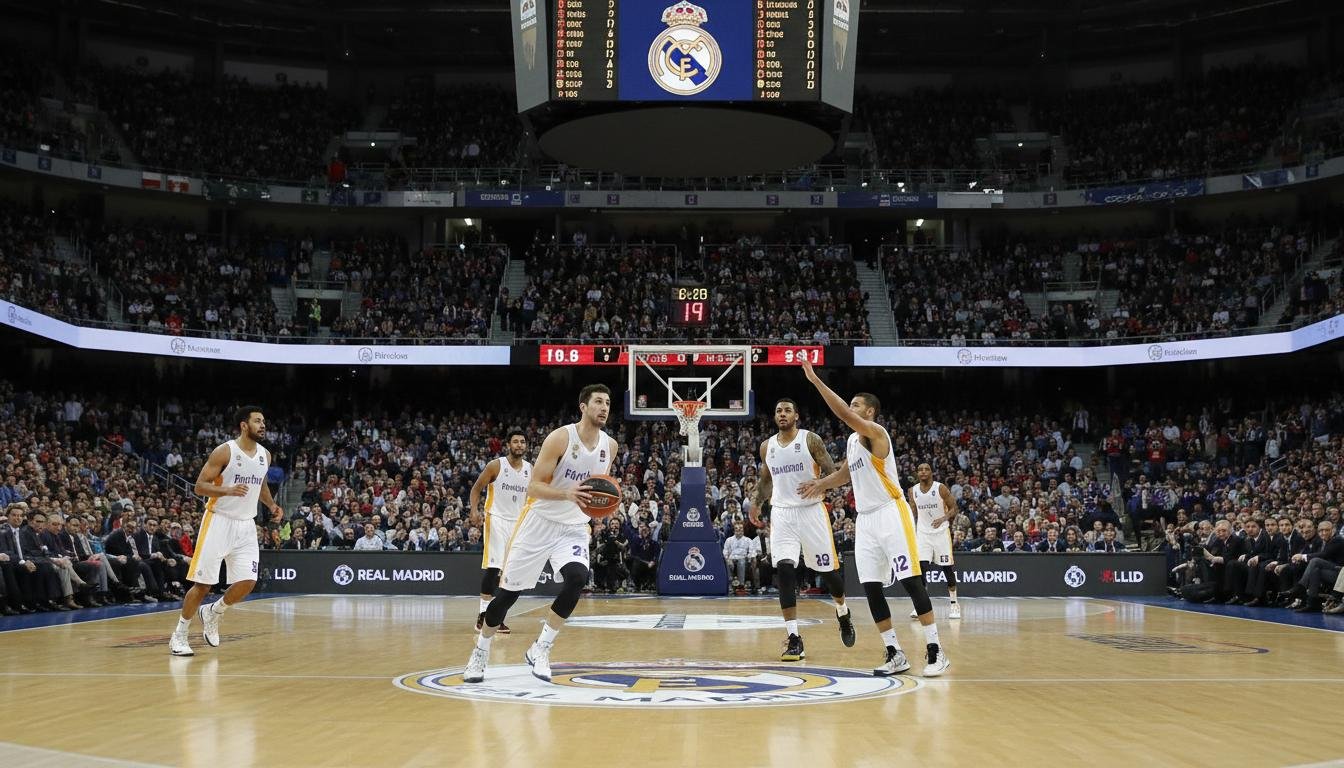
Real Madrid’s basketball section has long held the twin advantages of deep resources and an unmatched fan base. In 2010 they were a perennial title contender with a roster built to challenge on every stage—domestic and European.
The club’s strategy mixed experienced leaders and promising signings, aiming for both immediate success and long-term competitiveness. Real Madrid’s matches, especially the classic clashes with Barcelona, remained the ACB’s most anticipated events.
Unicaja Málaga
Unicaja Málaga combined strong home-court advantage with a roster that excelled in half-court execution. Their emphasis on disciplined offense and perimeter shooting made them dangerous in playoff series where possession-by-possession focus wins games.
Unicaja’s presence in European competitions during that period reaffirmed Spain’s depth—teams outside the absolute top two or three in the ACB still produced high-level performances abroad.
Valencia Basket
Valencia in 2010 was the classic example of an ambitious club rising through smart management and investment in infrastructure. They were consolidating their place among the ACB’s upper tier, frequently challenging bigger names and building a reputation for tactical flexibility.
Valencia’s growth trajectory at the time foreshadowed future domestic and European success, and their matches were must-see for fans watching the next generation of Spanish club contenders taking shape.
How these teams compared on the court
Comparing style and strengths helps explain why these clubs dominated conversations in 2010. Barcelona brought offensive creativity and clutch shot-making; Baskonia offered physical defense and relentless pace; Real Madrid relied on depth and star power; Unicaja emphasized structure and shooting; Valencia prioritized tactical preparation and youth integration.
Matchups often came down to small details: board control, decision-making in late-clock situations, and how coaches adjusted during series. Those margins separated champions from also-rans and made the ACB playoffs compelling viewing.
Key factors behind success
Three recurring ingredients explain why clubs rose to the top in 2010: recruitment and scouting, coaching, and player development. Successful teams mixed experienced role players with homegrown talents who understood club systems and culture.
Coaching mattered enormously; the best benches read opponents well and made timely tactical swaps. Off-court, prudent financial planning and community support (ticket sales, sponsorships, youth systems) sustained success through the season’s ups and downs.
Fan culture and home-court impact
Spanish arenas are famously intense. In 2010, arenas such as Palau Blaugrana (Barcelona) and Fernando Buesa Arena (Vitoria) produced electric atmospheres that visibly influenced game tempo and momentum. Visiting teams regularly noted the psychological edge these crowds provided.
As someone who followed the league closely that year, I remember how a late third-quarter run in Vitoria could swing a whole series; small building advantages became strategic assets for home clubs.
Notable rivalries and defining moments
Rivalries—especially Barcelona vs. Real Madrid and Baskonia’s feisty matchups—shaped public interest and player legacies. Games between those clubs often featured playoff-like intensity, even in regular-season fixtures, and produced highlight-reel plays that are still discussed by fans.
Several single-elimination and playoff moments from 2010 crystallized reputations: clutch shots that defined seasons, tactical masterstrokes by coaches, and underdog runs that reminded viewers how deep the ACB’s competitive pool had become.
Quick reference: top ACB clubs around 2010
| Team | 2010 highlight |
|---|---|
| FC Barcelona | European powerhouse with top-level offensive talent |
| Caja Laboral (Baskonia) | ACB playoff contender noted for defense and cohesion |
| Real Madrid | Deep roster and perennial title challenger |
| Unicaja Málaga | Disciplined team that performed well in domestic and European play |
| Valencia Basket | Rising club building long-term competitiveness |
Where those teams led Spanish basketball next
The institutions that were strong in 2010 continued to influence Spanish basketball through player development and coaching trees. Many players who honed their skills in the ACB that year went on to long careers in Europe and the NBA, and the tactical trends—pace management, pick-and-roll defenses, perimeter spacing—filtered down into youth coaching across the country.
Watching the 2010 season in detail gives a clear picture of why Spain has remained a top basketball nation: strong clubs, excellent coaching, passionate fans, and a system that balances immediate competitiveness with long-term talent cultivation.
For contemporary readers looking back, 2010 was more than a list of winners and losers; it was a year that showcased structural strengths in Spanish basketball that continue to pay dividends. The ACB’s competitive depth and its clubs’ European ambitions made that season a standout chapter in the league’s modern history.
Sources and further reading
- Official ACB season and historical pages: https://www.acb.com
- Euroleague historical results and season archive: https://www.euroleague.net
- Season summaries and team pages (Wikipedia, used for quick reference to season context): https://en.wikipedia.org/wiki/2009%E2%80%9310_ACB_season and https://en.wikipedia.org/wiki/2009%E2%80%9310_Euroleague
- Club websites: FC Barcelona Basketball (https://www.fcbarcelona.com/en/basketball), Saski Baskonia (https://www.baskonia.com), Valencia Basket (https://www.valenciabasket.com)