The year 2010 felt like a hinge in modern European club basketball: long-running dynasties flexed their muscle while ambitious challengers closed the gap. This article walks through the clubs that mattered most that season, why they mattered, and how their styles and rosters shaped the continent’s hierarchy.
A snapshot of European basketball in 2010
By 2010 the EuroLeague had firmly established itself as the continent’s premier club competition, and national leagues across Spain, Greece, Russia, Italy, and Turkey produced teams that could compete at that level. Money, coaching, and youth development combined in different ways, producing both perennial winners and surprising upstarts.
That season was notable for the mix of veteran leadership and emerging European talent. Clubs balanced the old guard—experienced scorers and defense-minded veterans—with younger players who would later move to the NBA or become continental stars.
Regal FC Barcelona — continental peak
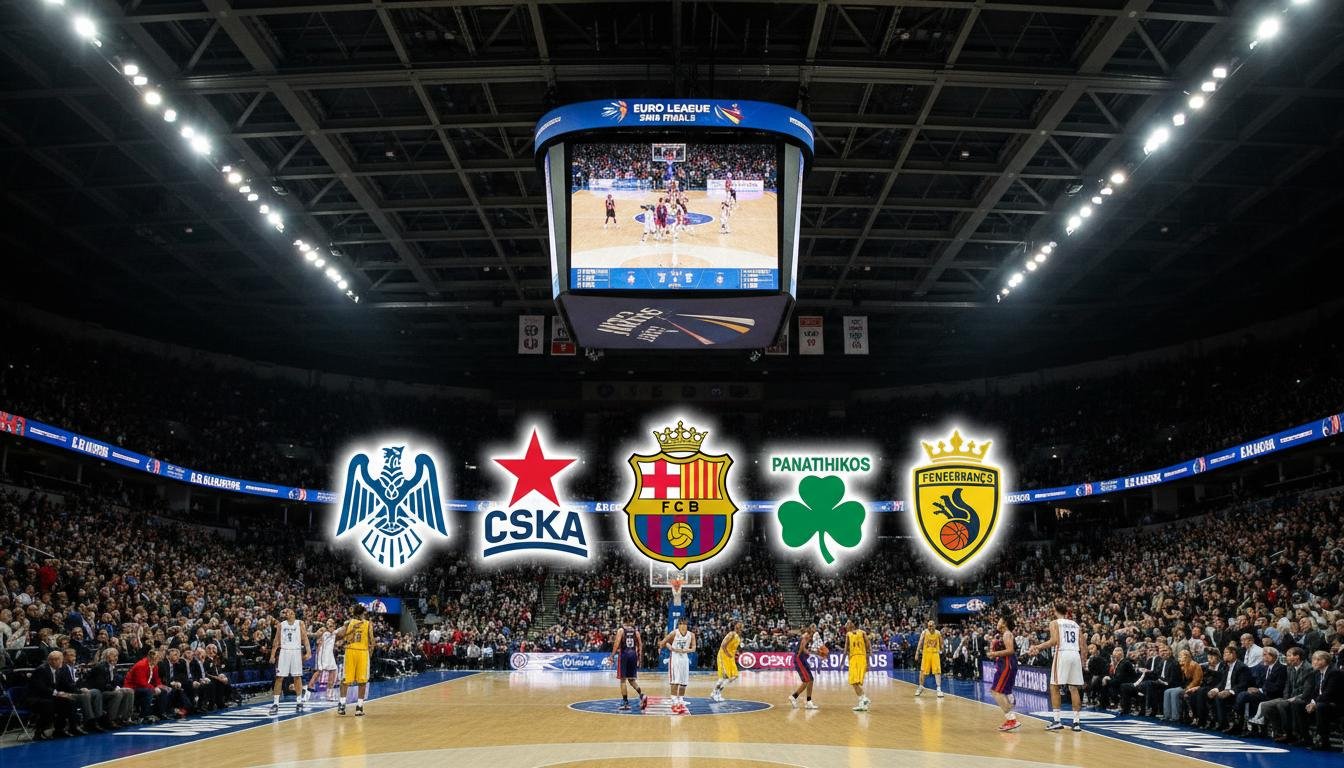
Barcelona stood at the summit in 2010, claiming the EuroLeague title and reaffirming Spain’s strength as a basketball hotbed. The club’s blend of homegrown talent and experienced signings produced fluid offense and a disciplined defensive identity that carried them through the season.
Watching Barcelona then felt like seeing a team operating with a clear ethos: ball movement, spacing, and players who knew their roles. Their EuroLeague triumph remains the clearest single indicator of who ruled Europe that year.
CSKA Moscow — model of consistency
Across the decade CSKA Moscow was the benchmark for organizational steadiness: deep pockets, top-tier coaching, and an expectation of domestic titles and deep EuroLeague runs. In 2010 they continued to be the club every other team measured itself against.
What made CSKA so reliable was a corporate-style approach to roster construction—if one star left, another stepped in—paired with a culture of winning that stretched from the front office to the training staff. That culture kept them among Europe’s elite year after year.
Olympiacos — Greece’s physical contender
Olympiacos exemplified the gritty, defense-first side of European basketball in 2010 and were a focal point of the EuroLeague conversation. They combined passionate home crowds, rugged interior play, and perimeter scorers who could carry a game when needed.
Their run to the latter stages of continental competition proved that team defense and toughness can still topple star-studded rosters. Olympiacos’ style was influential, and their supporters helped make key arenas among the toughest for visitors.
Maccabi Tel Aviv and Real Madrid — tradition and revival
Maccabi Tel Aviv remained a historical giant whose European pedigree demanded respect; even when they weren’t winners, their experience in clutch situations made them dangerous. Their tactical understanding and history of producing big-game players kept them relevant in 2010.
Real Madrid was in the midst of rebuilding toward the powerhouse we recognize today. Even then, the club’s resources, fan base, and commitment to reasserting domestic and continental presence indicated they would be contenders again soon. Both clubs reminded Europe that rich histories are rarely dormant for long.
Montepaschi Siena and Panathinaikos — domestic excellence, continental relevance
Montepaschi Siena dominated Italian basketball during this period and regularly translated that domestic success into quality EuroLeague showings. Their disciplined offense and structured coaching made them a tough out for any opponent.
Panathinaikos, fresh off recent continental success, remained one of Europe’s most decorated clubs with an appetite for titles. Even when seasons didn’t end with trophies, their presence in the conversation underlined the depth of talent across Greece’s top teams.
Emerging challengers: Fenerbahçe, Partizan, Baskonia
2010 also saw clubs that were building toward sustained competitiveness. Fenerbahçe in Turkey invested heavily and began assembling rosters that would later challenge Europe’s best. Their forward-looking strategy—blend of foreign signings and domestic prospects—started paying dividends.
Partizan and Baskonia represented the excellent work still coming out of smaller markets: intense fan bases, strong youth development, and savvy scouting. These teams often punched above their economic weight and produced upset wins that shifted expectations year to year.
What made the top teams stand out in 2010
Several common threads linked the best clubs: clarity of identity, depth, and coaching that matched roster strengths to tactical goals. Teams that prioritized defense and role clarity typically outperformed rosters that relied solely on star power.
Organizational stability mattered as much as individual talent. Clubs with consistent front-office leadership and long-term plans—for hiring, youth development, and scouting—were more likely to convert talent into trophies and deep EuroLeague runs.
Styles and philosophies: why European basketball still mattered
In 2010 the game in Europe contrasted with the NBA in obvious ways: emphasis on ball movement, two-way players who fit roles precisely, and coaching systems that prized tactical nuance. That difference produced entertaining, strategic matchups that rewarded preparation as much as raw athleticism.
This period also showcased Europe’s ability to export talent. Several players who impressed in continental play soon joined NBA teams or led national programs, proving the developmental value of clubs across Spain, Greece, Russia, and Italy.
Personal note: memories from the court and the couch
I remember watching the EuroLeague Final Four broadcasts that year and being struck by how every possession felt contested and meaningful. Games were often decided by a defensive stop or a well-executed set rather than isolated scoring bursts, which made every coaching decision feel pivotal.
On a personal trip to a Barcelona game around that era, the combination of tactical precision and crowd energy was unforgettable—it’s a reminder that European club basketball has a texture and immediacy that stays with you long after a season ends.
Looking back: legacies that shaped the next decade
The teams that mattered in 2010 set patterns that defined the following years: investment in infrastructure, emphasis on coaching, and a willingness to blend veteran leadership with youthful upside. Those lessons influenced how clubs across Europe constructed rosters and approached continental competition.
Even if trophies rotate and rosters change, the 2010 season offered a clear map of what works in European basketball: institutional commitment, tactical clarity, and a connection to a club’s identity and fans. Those elements remain the best predictors of sustained success.
Sources and experts
- EuroLeague official reports and historical archives: https://www.euroleague.net/
- FIBA Europe and broader continental context: https://www.fiba.basketball/