2010 was a turning point for Brazilian club basketball: the sport was consolidating under the Novo Basquete Brasil (NBB) banner, while traditional powerhouses and emerging projects battled for regional pride and national relevance. This article takes you through the clubs that mattered that year, why they mattered, and how their choices in management, talent development, and fan engagement set the tone for the decade to come.
Context: how Brazilian basketball looked in 2010
By 2010 the NBB, founded in 2008, had become the primary national competition and the clearest measure of club strength. Clubs were learning to operate in a more professional environment: sponsorship deals were improving, arenas were being modernized, and television exposure was increasing—factors that changed how teams recruited and retained talent.
The calendar still had multiple layers—state championships, national cups, and continental tournaments—so success was measured on several fronts. Clubs with short-term budgets could still win in knockout settings, but sustained success required deeper squads, competent front offices, and consistent youth pipelines.
Novo Basquete Brasil (NBB) as the benchmark
NBB’s format and regulations pushed clubs to professionalize administrative practices and invest in infrastructure. As a result, teams that embraced long-term planning rather than one-season rosters became the most competitive on and off the court.
For readers trying to understand 2010 performance, NBB standings, playoff runs, and club investment strategies provide the best snapshot. The league’s records and match reports remain the most reliable sources for that season’s outcomes.
Who stood out in 2010
When you look back at 2010, several clubs regularly appear near the top of standings, in playoff brackets, and in continental invitations. Below I outline six teams that, through a mixture of history, talent, and organization, were widely regarded as the country’s leading programs that year.
Brasília
Brasília had become a model of stability and ambition by 2010. The club invested in a professional structure and attracted national-team contributors, which translated into consistent NBB competitiveness and regular appearances in the later stages of domestic tournaments.
The club’s financial backing and administrative steadiness allowed it to keep a core of experienced players together from season to season. That continuity mattered in playoff series, where rotations and chemistry often decide close games.
Flamengo
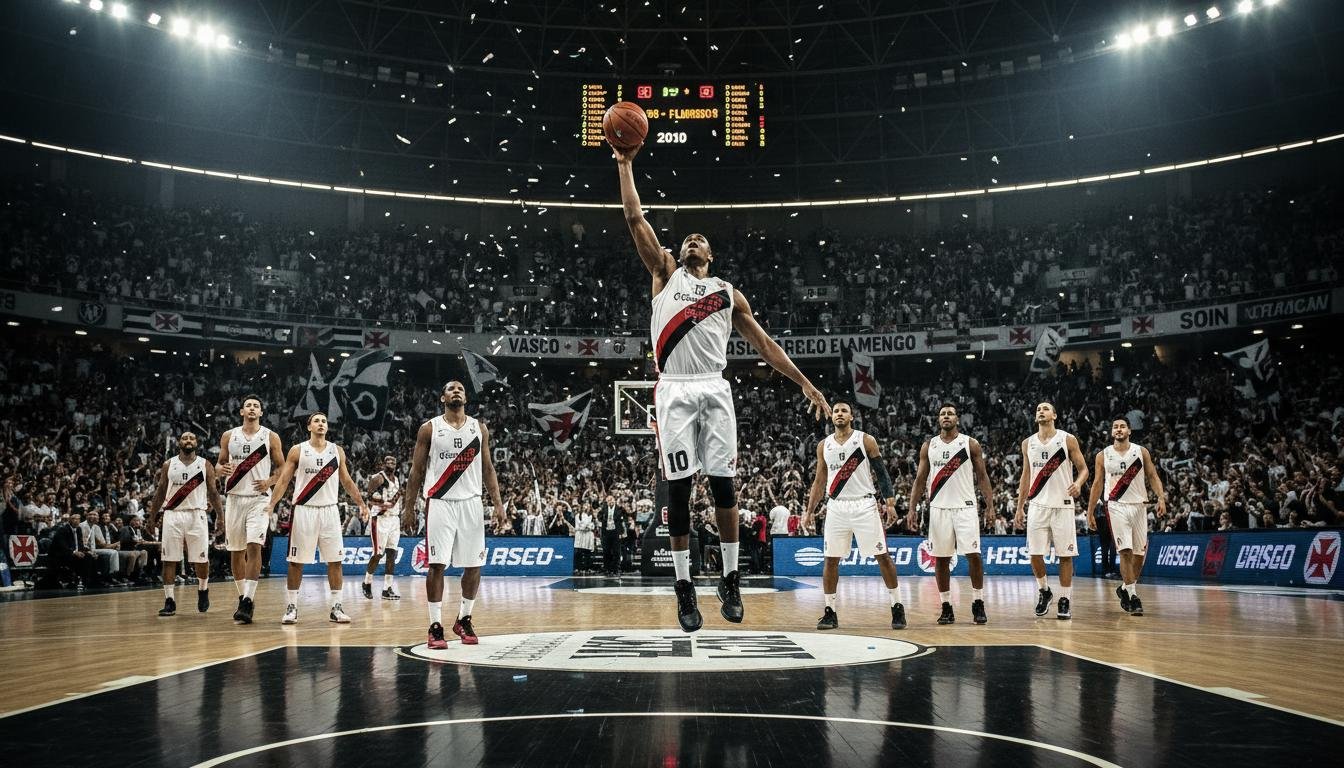
Flamengo arrived at the new decade with strong institutional muscle: a massive fan base, media attention, and the ability to attract investment. In 2010 the Rio-based club was in the middle of a multi-year effort to build a dominant basketball program that would match its football brand.
That effort included improving basketball operations and courting marquee names. Flamengo’s crowds and marketability also shifted how sponsors perceived basketball in Brazil, and the ripple effects—better budgets, higher-profile friendlies—were visible across the league.
Franca
Franca is one of Brazil’s historic basketball cities, and by 2010 the club’s identity was still rooted in a deep local culture of the sport. Long-term commitment to youth development and an obsessive regional following kept Franca competitive despite ups and downs in national budgets.
What Franca offered that year was an enduring pipeline of homegrown talent and a tactical sophistication that comes from institutional memory: coaching stability, youth coaches aligned with the senior staff, and a fan base that treats basketball as a civic tradition.
Pinheiros (São Paulo)
Pinheiros represented the modern São Paulo club with access to a big talent pool and better facilities. The club invested in both basketball and broader sports development, which allowed it to build balanced rosters and a competitive academy system.
In 2010 Pinheiros benefited from São Paulo’s dense competition—training against high-quality opponents in practice and state tournaments sharpened their players and prepared them for national play.
Bauru
Bauru was an example of a smaller-market club making smart choices. With a strong local sponsor and a focus on talent scouting, Bauru assembled efficient rosters that could upset larger-budget teams in knockout situations.
The club’s emphasis on work ethic and tactical discipline became especially useful in playoff contexts, and Bauru’s steady climb in the early 2010s foreshadowed deeper success later in the decade.
What set these teams apart in 2010
Across the top clubs there were common traits: investment in coaching, meaningful youth programs, and a willingness to professionalize front offices. Teams that focused on those levers enjoyed better roster continuity and more consistent results.
Another distinguishing factor was exposure to international play. Clubs that competed in South American or continental competitions in the preceding seasons gained experience in different playing styles, which helped in tight national contests.
Youth development and scouting
Several teams in 2010 were already benefiting from structured youth academies and local scouting networks. Those systems didn’t just produce players for the first team; they created a philosophy and a pipeline that reduced the need for expensive transfers.
In many towns—Franca being the best-known example—the community and club collaborate on training facilities and school programs, creating a steady supply of technically sound players who fit the club’s style.
Fan culture and venues
Arena atmosphere is often an underappreciated competitive edge. Clubs with passionate home crowds and well-maintained venues saw tangible effects: improved home records, higher sponsorship revenues, and better recruitment leverage.
In 2010, teams that invested in improving matchday experience—clear signage, ticketing, and family-friendly sections—noticed both short-term attendance gains and longer-term brand benefits.
Legacy: how 2010 shaped the next decade
The choices made by leading clubs in 2010—whether investing in youth, committing to professional front offices, or expanding community ties—helped shape Brazilian basketball’s trajectory over the following years. Clubs that built stability rather than chasing one-season stars generally fared better as the NBB matured.
The season also helped redefine what success looked like: not only silverware, but sustainable club health. That shift encouraged sponsors to back programs with long-term plans, and the resulting stability improved the level of play across the league.
Quick reference: notable teams in 2010
Below is a compact table summarizing the clubs mentioned and what distinguished them around 2010. Use it as a quick guide to who mattered that season.
| Team | City | Distinguishing feature(s) in 2010 |
|---|---|---|
| Brasília | Brasília | Organizational stability, competitive core |
| Flamengo | Rio de Janeiro | Large fan base, growing investment |
| Franca | Franca | Historical tradition, youth development |
| Pinheiros | São Paulo | Facilities and academy integration |
| Bauru | Bauru | Efficient recruitment and discipline |
Sources and further reading
- For readers who want primary records and statistics from the period, the Novo Basquete Brasil maintains season archives and official reports: https://lnb.com.br
- The Confederação Brasileira de Basketball provides historical context, national team information, and governance details relevant to club development: https://www.cbb.com.br
- International context and club competition records can be cross-referenced at FIBA’s official site for South American and continental tournaments: https://www.fiba.basketball
- Contemporary reporting from Brazilian sport outlets such as Globo Esporte offers match reports and feature stories from the 2010 season; their archives are useful for game-level detail and interviews from the time: https://globoesporte.globo.com