2010 was a peculiar, electrifying year for Italian football — a moment when old powers reasserted themselves, new challengers announced ambitions, and the local game grabbed the continental spotlight. This article looks at the clubs that mattered that year: who won, who surprised, and why the landscape of Serie A felt both familiar and new. I’ll walk through the major teams, highlight defining matches and players, and explain how 2010 set the tone for the decade that followed.
Inter Milan: the treble and the peak of a dynasty
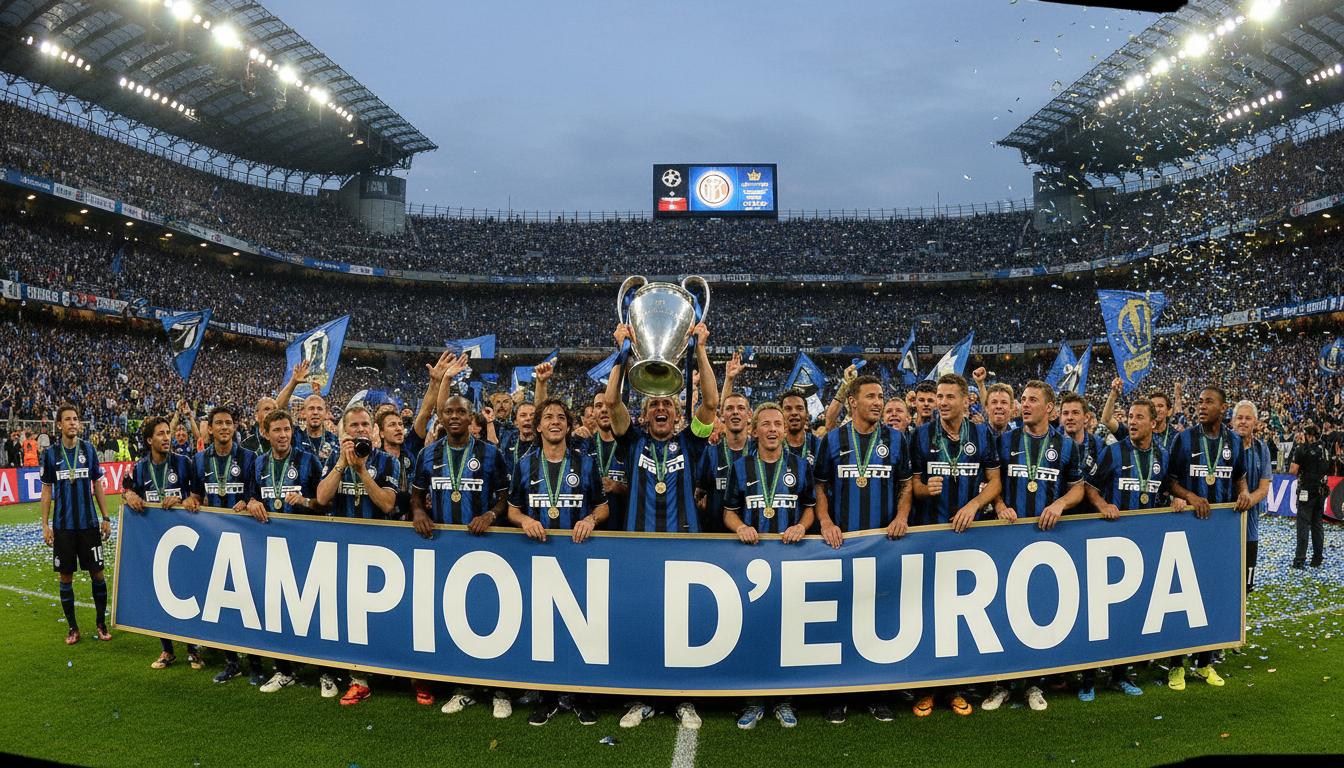
No review of 2010 in Italian football can start anywhere else but Inter Milan. Under José Mourinho, Inter completed a historic treble in the 2009–10 season, taking Serie A, the Coppa Italia, and the UEFA Champions League. The Champions League final in Madrid — where Diego Milito’s clinical finishing decided the tie — stands out as the emblematic night of Italian club football’s resurgence on the biggest stage.
Inter’s achievement was not a fluke. The squad combined defensive steel with match-winning individuals: Javier Zanetti’s leadership, Maicon’s attacking fullback runs, Wesley Sneijder’s creativity, and Milito’s finishing. The tactical discipline Mourinho imposed was matched by players who executed game plans under enormous pressure, making Inter the definitive best club in Italy that year.
AC Milan: pedigree and persistence
AC Milan entered 2010 with a reputation built over decades: a trophy cabinet that demands respect and a roster that mixed experience with talent. While Milan did not match Inter’s treble, they remained one of Serie A’s brightest names and a constant European presence. Their ability to remain competitive domestically kept pressure on the top of the table and reminded fans that Milanese football still revolved around two great clubs.
Milan’s strength came from a blend of defensive savvy and measured attacking talent. The club’s Champions League and Serie A histories made them a benchmark for Italian quality, and in 2010 they served as the most credible domestic rival to Inter’s dominance.
AS Roma: the near-miss and domestic challenge
AS Roma offered one of the clearer domestic narratives of 2010: a team that pushed Inter hard in the league and showcased Italy’s tradition of tactical football paired with technical skill. Roma finished near the top of the table that season and provided moments of brilliant, possession-based football that contrasted with Inter’s ruthlessness.
Francesco Totti remained emblematic of Roma’s soul, and the team’s collective balance — midfield control and attacking threat — allowed them to compete week in and week out. Roma’s season reinforced that Italy’s title race was not a two-club procession but a contested battleground.
Juventus: rebuilding the Old Lady
By 2010 Juventus was still in the process of repairing its standing after a turbulent decade. The club’s FIFA-era difficulties and Calciopoli fallout were still fresh in memory, and Juventus was methodically rebuilding on and off the field. Results in 2010 were uneven, but signs of structural improvement were visible — smarter transfers, stricter financial controls, and a refocused youth development approach.
Juventus’s presence in the 2010 conversation was less about immediate silverware and more about trajectory. The Old Lady’s strategic changes that year laid groundwork for the dominance she would later reclaim, showing that recovery in Italian football often starts with patient, sometimes grim, institutional work.
Napoli: the southern revival and a new force
Napoli’s rise around 2010 carried emotional weight for many supporters of southern Italian football. With growing investment and a newer, hungrier squad, Napoli transformed from a regional story into a national contender. The fresh energy of the club, combined with ambitious signings and a passionate fan base, made them significant players in Serie A conversations by the end of the year.
For many neutrals, watching Napoli’s evolution was one of the season’s more thrilling subplots. Their style emphasised technical forward play and counter-attacking punch, and their resurgence helped rebalance Italian football’s geographical map — reminding everyone that big-city dominance could be challenged by provincial passion and smart management.
Other notable sides: Lazio, Sampdoria, and Palermo
Beyond the headline names, several mid-table and cup-focused clubs left memorable marks in 2010. Lazio continued to oscillate between European aspirations and domestic consolidation, while Sampdoria and Palermo periodically challenged for European spots with effective recruitment and tactical cohesion.
These clubs often excelled in cup competitions and in giving young players the platform to break through. Their presence helped keep Serie A competitive and provided the domestic game with both talent pipelines and occasional giant-killing performances in knockout fixtures.
Table: standout achievements in 2010
| Club | Key achievement(s) around 2010 |
|---|---|
| Inter Milan | Serie A title, Coppa Italia, UEFA Champions League (treble, 2009–10) |
| AC Milan | Consistent domestic contender and European regular |
| AS Roma | Strong league challenge; tactical, possession-oriented play |
| Juventus | Organizational rebuilding and squad restructuring |
| Napoli | Rising ambitions and growing domestic competitiveness |
Players, tactics, and defining moments
Two elements defined Italian club football in 2010: pragmatic, structured tactics and high-impact individuals who could swing single matches. Managers like Mourinho emphasised organization and mental strength, while players such as Diego Milito and Wesley Sneijder produced moments that changed games and trophies.
Italian football’s tactical heritage — cautious defense paired with creative attacking pockets — remained clear. Yet in 2010 teams also began blending continental influences: more pressing, swifter transitions, and varied formations that pushed Serie A away from any stale stereotype of negative play.
Why 2010 mattered
The year functioned as a hinge. Inter’s treble announced Italian club football’s return to Europe’s summit, but the season also exposed structural challenges: financial pressures, the need for youth development, and the imperative of smart club management. The successes and failures of 2010 shaped transfers, coaching hires, and club strategies for the years that followed.
On a personal note, I remember watching the Champions League final with a mix of astonishment and relief — the stadium scenes, the chants, the sense that Italian football had once again staged a continental drama. That night crystallized why fans invest decades of passion in their clubs: the highs are incandescent and rare.