2010 was a year of contrasts in German football: established power met new energy, and the domestic season jostled with a memorable World Cup summer. Clubs like Bayern Munich continued to set standards at home while Schalke, Werder Bremen and emerging forces such as Borussia Dortmund shaped a competitive top tier. This article walks through the teams that mattered in Germany in 2010, why they mattered, and how their performances that year influenced the next decade.
A snapshot of German football in 2010
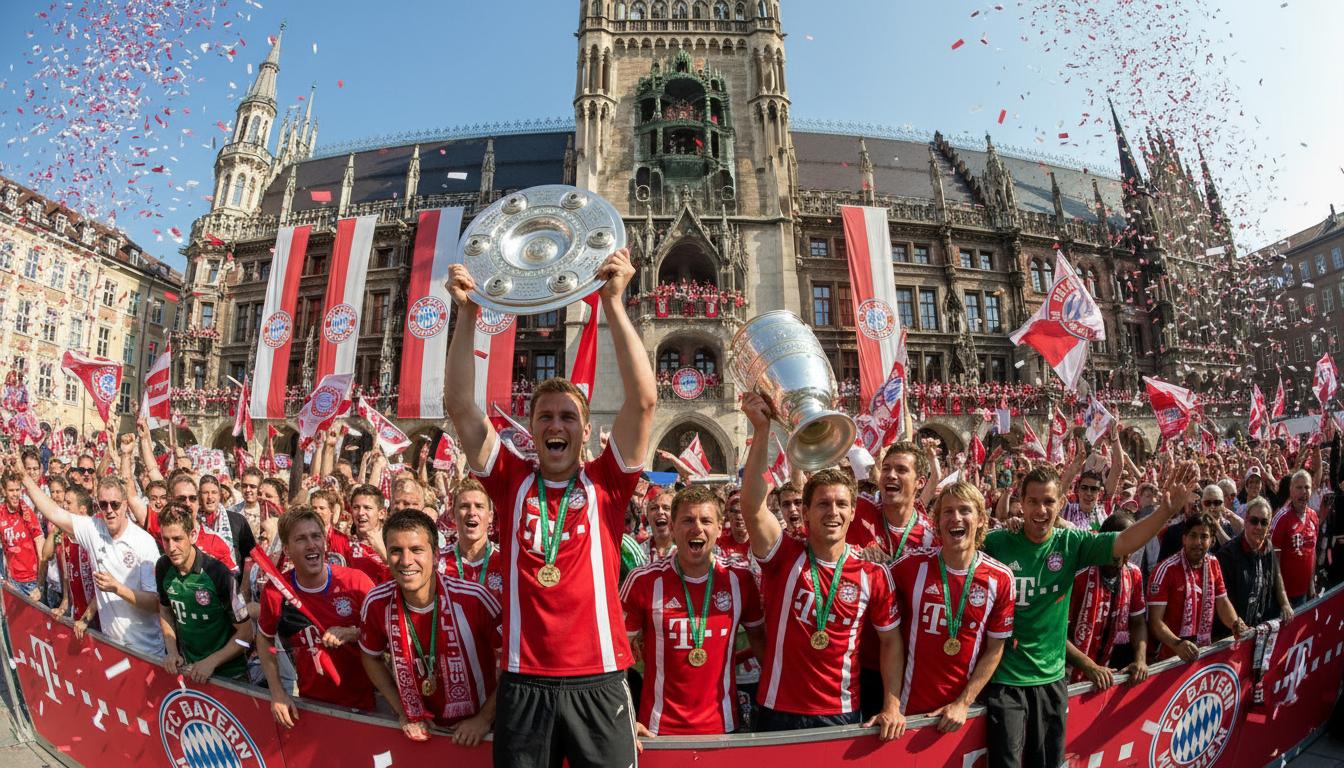
The 2009–10 Bundesliga campaign closed with familiar names near the top but with clear signs that the balance of power could shift. Bayern Munich reclaimed the title and asserted themselves as the domestic benchmark, while a tightly packed chasing group proved the league remained unpredictable. Behind the scenes, clubs were investing in youth development and tactical change—factors that would pay off in subsequent seasons.
Outside the league, German clubs were active in European competitions and the national team delivered a World Cup run that changed perceptions about the country’s footballing identity. The summer of 2010 served as a window into the depth of talent across German clubs, with young players stepping into international roles and altering transfer markets.
Bayern Munich: the measuring stick
Bayern Munich entered 2010 as the dominant domestic force, combining experience with high-profile signings and a wealthy, ambitious board. Under Louis van Gaal, players such as Franck Ribéry, Arjen Robben, Bastian Schweinsteiger and Philipp Lahm formed the spine of a team built to win the Bundesliga and compete in Europe. That mix of established internationals and rigorous club structure made Bayern the team every other German club measured itself against.
Bayern’s resources and global brand also allowed them to respond quickly to on-field demands: tactical tweaks, smart signings and an expectation of trophies. For domestic rivals, eclipsing Bayern required sustained planning rather than a single breakthrough season—an important point for understanding German football’s hierarchy in 2010.
Schalke and Werder Bremen: the closest challengers
Schalke 04 impressed in 2009–10 with a squad that combined veterans and rising stars, finishing near the summit and challenging Bayern for consistency. The arrival of experienced names in January and the leadership of homegrown talents kept Schalke in spotlight conversations about title challengers. Their passionate fan base and financial backing made Schalke a credible threat in any single season.
Werder Bremen also featured prominently, bolstered by creative midfield talent that made them hard to break down. The club’s ability to develop attacking midfielders—players who could influence both club and country—helped Werder remain competitive at the top of the table. Both clubs demonstrated that solid recruitment and youth development could keep them within striking distance of the title.
Borussia Dortmund: a quiet rise
Borussia Dortmund in 2010 were a team on the cusp rather than at the summit—a club rebuilding under manager Jürgen Klopp with an eye on youth and high-intensity football. The foundations laid during this period were not always obvious in the standings, but Dortmund’s philosophy, scouting and emphasis on young talent set the stage for the breakthrough that followed in 2011. Watching them in 2010 felt like witnessing a project that would soon flourish.
Their home crowds, recruitment of promising players and a clear tactical identity made Dortmund one of the most intriguing clubs to follow. For fans and pundits, the club’s trajectory was a reminder that long-term planning and a conviction-driven coach could alter the national balance of power.
European campaigns and wider club form
In 2010 German clubs carried their domestic form into European competitions with mixed results, reflecting the depth but also the gap between the Bundesliga’s best and Europe’s elite. Bayern continued to be the club most expected to challenge in the UEFA Champions League, while Schalke and Werder aimed for strong showings that would boost coefficients and reputation. European nights highlighted tactical differences and exposed where German teams needed to evolve tactically and technically.
The continent-wide performance also influenced transfer decisions and coaching hires back home, as clubs sought the tactical flexibility and depth required to handle double-duty—domestic and European—across a long season. This period of learning accelerated structural changes that had ripple effects through German football over the next five years.
National team influence: the 2010 World Cup
The 2010 FIFA World Cup in South Africa was a pivotal moment: Germany’s national team reached the semifinals and finished third, blending youth with smart tactical planning under Joachim Löw. That tournament showcased players from Bundesliga clubs and heightened interest in German coaching methods and youth development systems. The national team’s performance rebranded German football as progressive and attacking, which in turn raised the profile of domestic clubs.
Notably, young talents who had been nurtured in German academies used the World Cup as a launchpad for bigger moves and greater responsibility at their clubs. The alignment between national success and club development in 2010 helped attract attention from top European clubs to Bundesliga prospects.
Why these teams mattered then and now
Looking back, the best teams in Germany in 2010 mattered because they combined on-field success with sustainable structures—academies, scouting networks and coaching philosophies. Bayern remained the benchmark, but the real story was the emergence of challengers with long-term plans: Schalke’s steady recruitment, Werder’s technical identity, and Dortmund’s youth-driven revolution. Those elements reshaped competitive dynamics across the decade.
The ripple effects are obvious today: the focus on youth and coaching that gained traction around 2010 produced a generation of players and coaches who changed the sport in Germany. Clubs that invested wisely during that period reaped competitive benefits, both domestically and in Europe.
Personal note from the author
As someone who watched Bundesliga fixtures in 2010—sitting among fans at an Allianz Arena match and later at a packed Schalke stand—I remember the mix of expectation and possibility in the air. Small moments from that year stuck with me: a substitute who suddenly became a fan favorite, a tactical switch that outwitted an opponent, and the optimism in stadiums that national and club football were moving in the same, exciting direction. Those memories capture why 2010 felt so consequential.
Whether you followed the league closely or tuned in for the World Cup, 2010 rewarded attention: the best teams in Germany were not just winning games, they were building stories that would define the next decade of European football.