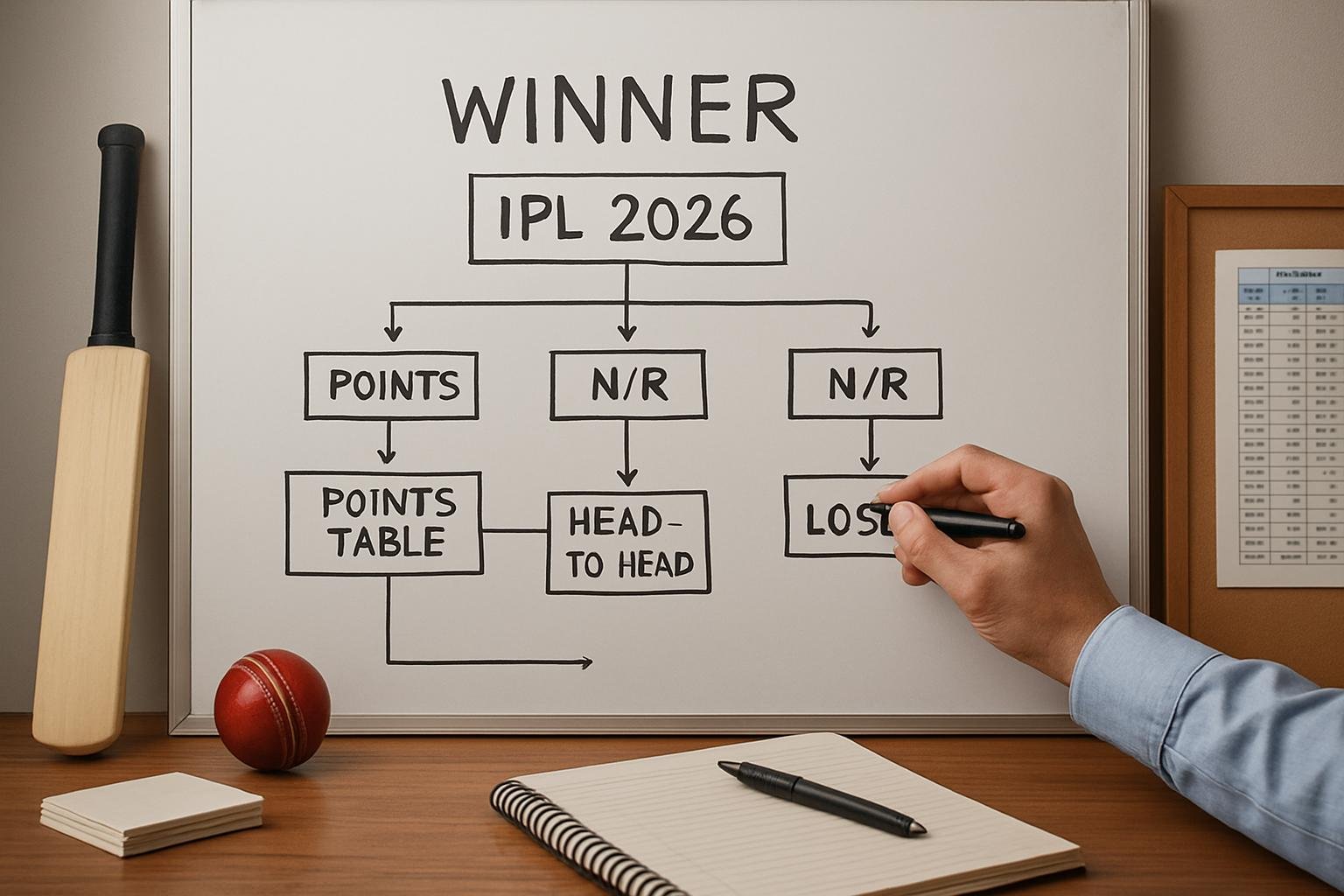
Predicting a T20 tournament winner can feel like trying to read tea leaves, yet a disciplined method lifts the guesswork. This article lays out a practical, data-aware Strategy for Determining the IPL Winner in 2026 that blends analytics, context, and cricketing judgment. Read on for a step-by-step framework you can apply whether you’re an analyst, fantasy player, or an avid fan who wants a sharper lens on the competition.
Understanding the changing landscape
IPL cricket in 2026 will not be the same animal it was five seasons earlier: player mobility, new coaching ideas, and evolving rules constantly shift the balance. Teams that adapt quickly to rule tweaks and value “multi-role” players often outperform those that rely on static templates, so tracking roster turnover early in the season matters.
Beyond personnel, franchises are experimenting with analytics teams and workload management in new ways. Recognizing which clubs invest in front-office data and in-house scouting gives you an edge when estimating who will sustain form through a long, compressed schedule.
Key metrics to track
Start by identifying a compact set of high-value metrics rather than drowning in numbers. Focus on strike rates and average for batters, economy and wicket-taking ability for bowlers, and clutch performance indicators like death-overs effectiveness and powerplay control.
Supplement those primary stats with contextual measures that matter in T20: recent form over the last 10 innings, performance by venue, and match-up history between specific bowler-batter pairs. These context layers often separate plausible winners from true contenders.
Batting and bowling analytics
For batters, look past aggregate runs and profile the innings: percentage of runs scored off pace versus spin, scoring areas, and boundary frequency. In T20, a batter who rotates strike consistently and maintains a solid boundary rate under pressure offers more value than one with sporadic big scores.
On the bowling side, prioritize bowlers who combine economy with wicket-taking plans. A four-over bowler who concedes 7.5 runs but captures crucial top-order wickets is often more decisive than a specialist whose economy is 6.8 but rarely takes breakthroughs.
Team composition and balance
Constructing a winning squad is about balance: explosive top-order batters, a middle that can handle pressure, and bowlers who can adapt to powerplays and death overs. Look for teams that can flex between left-right combinations and offer seam and spin options at all stages.
Depth matters. A bench that includes finishers and multi-inning spinners keeps a lineup resilient when injuries or international call-ups bite. Teams with four to five players who can genuinely win a match on their own tend to climb the standings.
| Role | Ideal count | Why it matters |
|---|---|---|
| Top-order batters | 2–3 | Set foundation and pace the chase |
| Middle-order finishers | 2 | Shift gears, absorb pressure |
| Death-over specialists | 2 | Control runs in final overs |
| All-rounders | 2 | Balance team and provide flexibility |
Match conditions and scheduling
Home-and-away dynamics, travel intensity, and pitch types shape outcomes across a long tournament. Teams that string home games together and avoid long travel stretches typically preserve player sharpness and reduce injury risk, which shows up in win percentages.
Pitch surfaces in India vary widely; some venues favor spin while others reward pace and bounce. A team with adaptive strategies—such as rotating spinners or employing hitters who can succeed against spin—consistently outperforms on neutral days.
In-game tactics and momentum

T20 is as much about momentum as raw skill. Track how teams respond after tight losses and whether captains adjust quickly when a plan fails. Squads that can reinvent a game plan mid-match are likelier to accumulate the small psychological edges that translate into points.
Use match-level indicators like successful chase percentage, defense under 160, and performance in “must-win” fixtures. These tactical measures are often more predictive than season-long aggregates because they reflect how adaptable a team is under pressure.
Psychology, leadership, and experience
Leadership matters. Captains who read bowlers, rotate resources effectively, and extract the best from specialists win tight games. Assess captaincy track records in pressure moments and how frequently leaders consult senior coaching staff in tense situations.
From my years following the IPL and running fantasy leagues, I’ve seen teams with modest individual talent punch above their weight because of a calm leader and a culture of role clarity. Those intangible qualities—discipline, routine, and trust—show up in late-game composure more than statistics can capture.
Building a predictive model
If you want to formalize this approach, build a predictive model that weights the key areas: player form, team balance, venue effects, and tactical adaptability. Keep the model transparent and update weights weekly to reflect injuries, trades, and performance swings.
- Collect consistent data feeds: player stats, ball-by-ball logs, and venue histories.
- Engineer features that capture context: form windows, matchup indices, and clutch performance ratios.
- Train a model using recent seasons, validate on holdout sets, and incorporate expert rules for rare events like late injuries.
| Component | Suggested weight |
|---|---|
| Player form and fitness | 30% |
| Team composition and bench depth | 20% |
| Venue and scheduling effects | 20% |
| Tactical adaptability/leadership | 15% |
| Luck and match-specific variance | 15% |
Practical tips for fans and analysts
Don’t chase yesterday’s headline. A single spectacular performance should inform but not dominate your estimates for the season. Balance recency with longer-term context to avoid overvaluing one-off explosions.
Follow small signals: who bowls the final over, which youngsters get consistent slots, and which players are rested for rotation. These operational choices reveal the coach’s trust hierarchy and are often early indicators of who will be selected in crunch games.
- Keep a rolling 10-game form tracker for each player.
- Monitor injury reports and workload; fatigue is a silent winner-killer.
- Compare teams’ bench strengths rather than just star power.
Applying a clear, repeatable Strategy for Determining the IPL Winner in 2026 means combining numbers, context, and an eye for how teams behave under pressure. Use the framework above as a living process: update it as new data arrives, test predictions against small bets or fantasy entries, and refine the weights when reality diverges from expectation. With patience and disciplined observation, your forecasts will become steadily more reliable as the season unfolds.